
Start with the
human question
You do not need to know the study name, device or methodology. Neuro Garage starts with the decision you need to make and narrows the scientific path from there.
Neuro Garage’s research services are designed to measure how people attend, feel, process information, decide and perform across Industrial, Compliance, Professional Performance, Sports, Consumer Behavior, Political Marketing, Criminology, Road Safety, Military Industry, Education and Health, using combinations of Eye Tracking, EEG, facial coding, GSR, EMG, IMU, VR and other neurobehavioral technologies according to the scientific question. Unlike traditional methods such as surveys, interviews, focus groups or observation, which primarily capture what people report, remember or are able to articulate, our studies add objective behavioral and neurophysiological evidence collected during real, simulated or controlled tasks and integrate those signals through CEREBRUM NOBILIS® to reveal patterns of attention, emotion, cognition and physiological response. Expand the application field that interests you below to explore the studies, protocols and technologies available for that context.
Find the research already relevant to your context
Use your operating environment as the starting point. We surface the studies most commonly connected to that industry, then you can refine the scientific question.
I'm in
Enter your industry to see the studies most commonly connected to that operating context.
Tell us what you need to understand
Describe the human, business or scientific problem in your own words. The discovery engine returns the closest research paths without requiring you to know the methodology first.
Browse all research
Open only the field you need. Each study page explains the research objective and the technologies normally associated with that protocol.
01Industrial7 studies+
 IND01
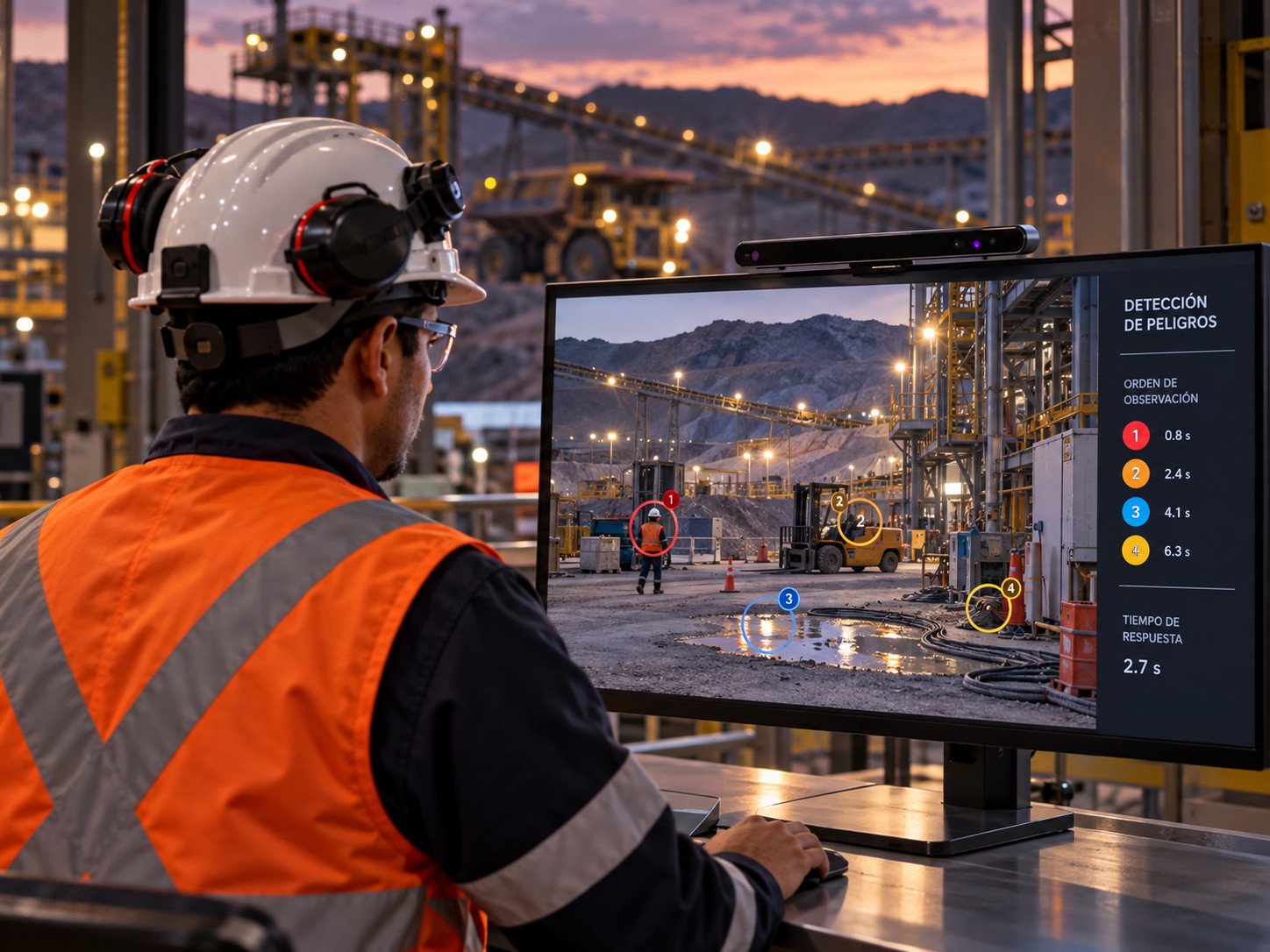
IND01Safety Metrics
Can your operators really identify the hazards and risks around them?
 IND02
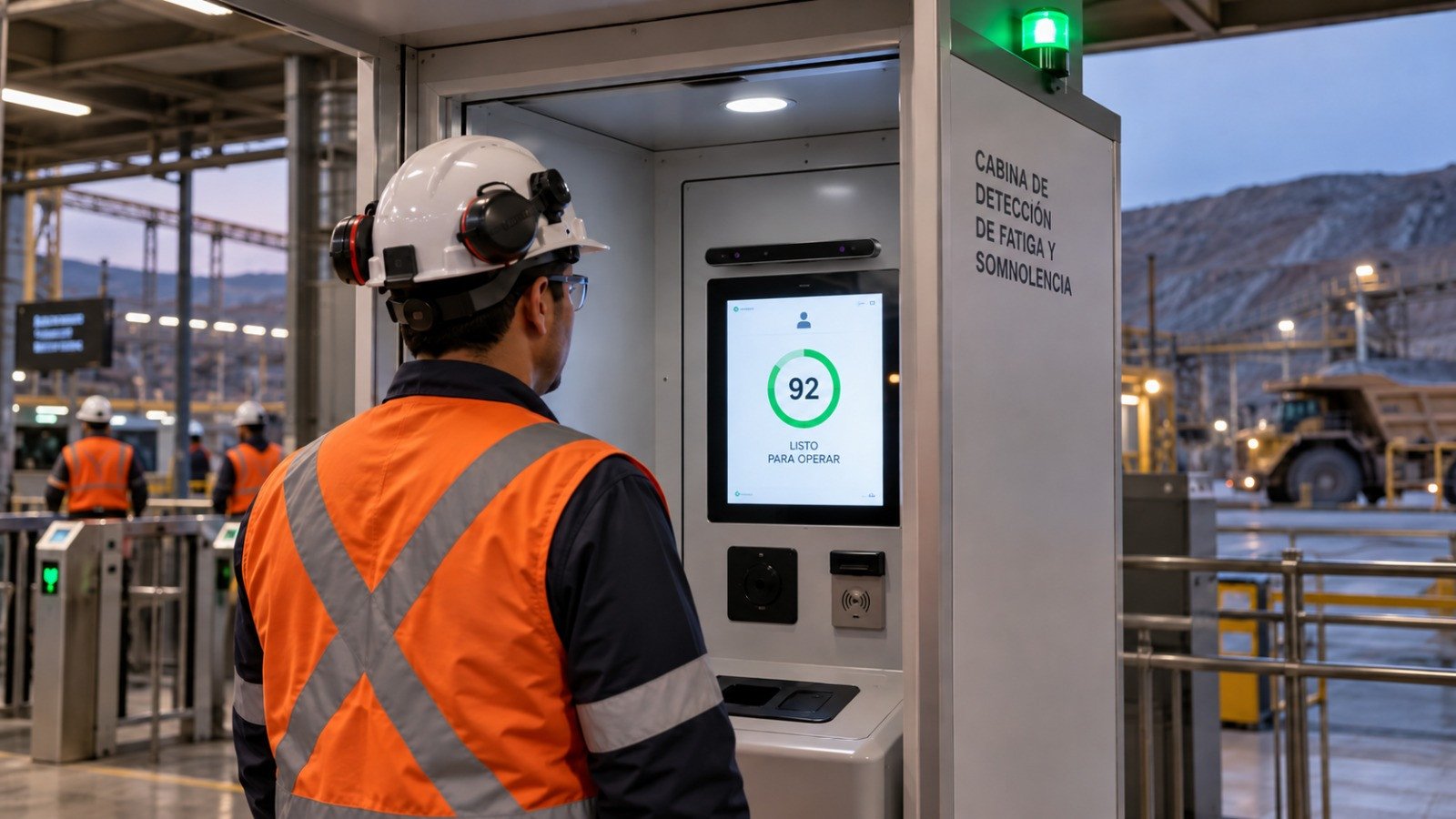
IND02Fatigue & Drowsiness Screening Booth
Is this operator sufficiently alert to safely enter the work area and perform safety-critical tasks today?
 IND03
IND03Industrial Human Factors
Does your worker adapt naturally to the work environment, or does the design itself create distractions, overload or unnecessary error?
 IND04
IND04ErgonoMetrics
Is the way your worker performs the task exposing them to unnecessary physical strain or musculoskeletal risk?
 IND05
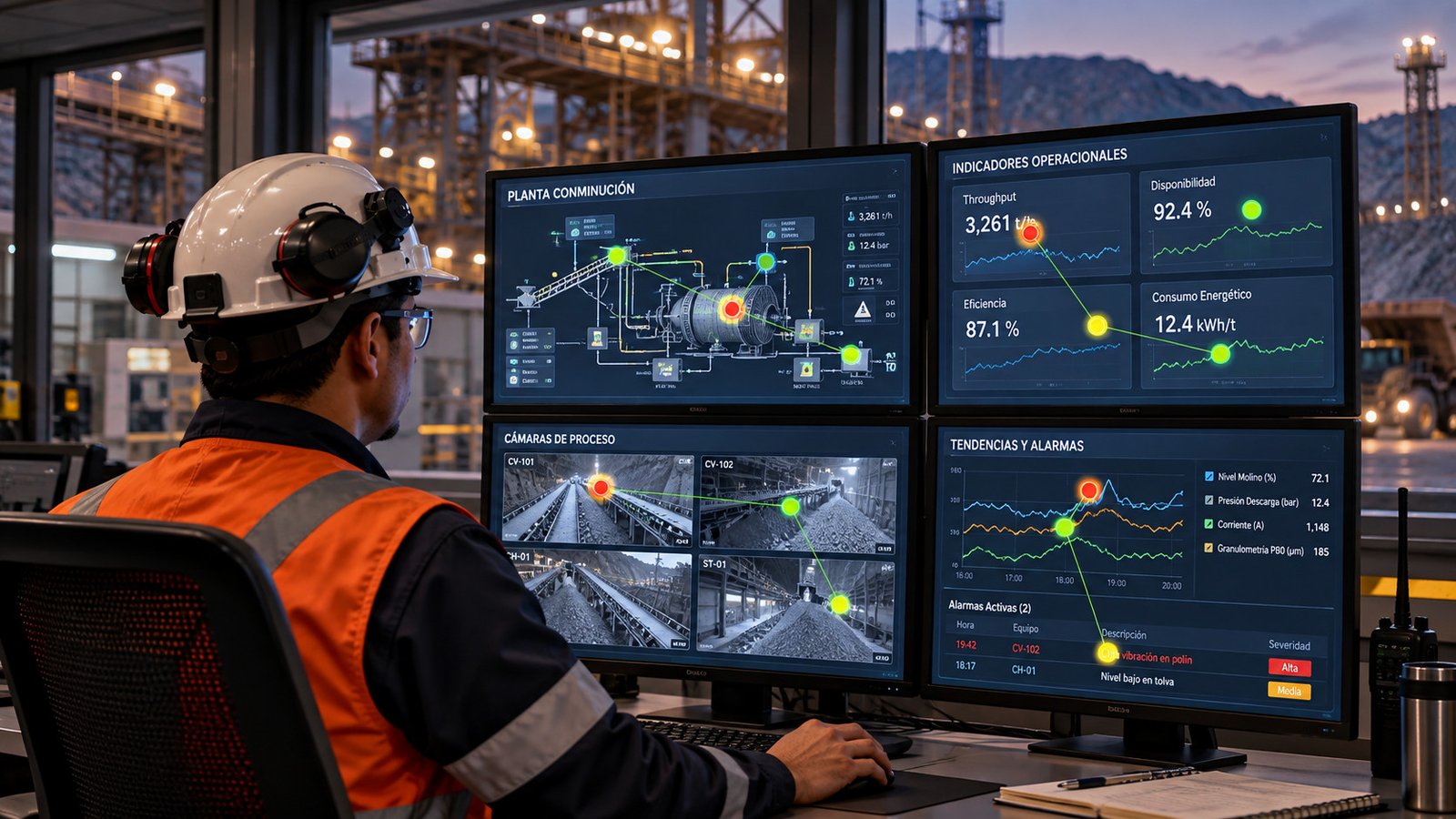
IND05Control Room Attention Metrics
Can your control-room operators maintain the right level of attention across all the information competing for their focus?
 IND06
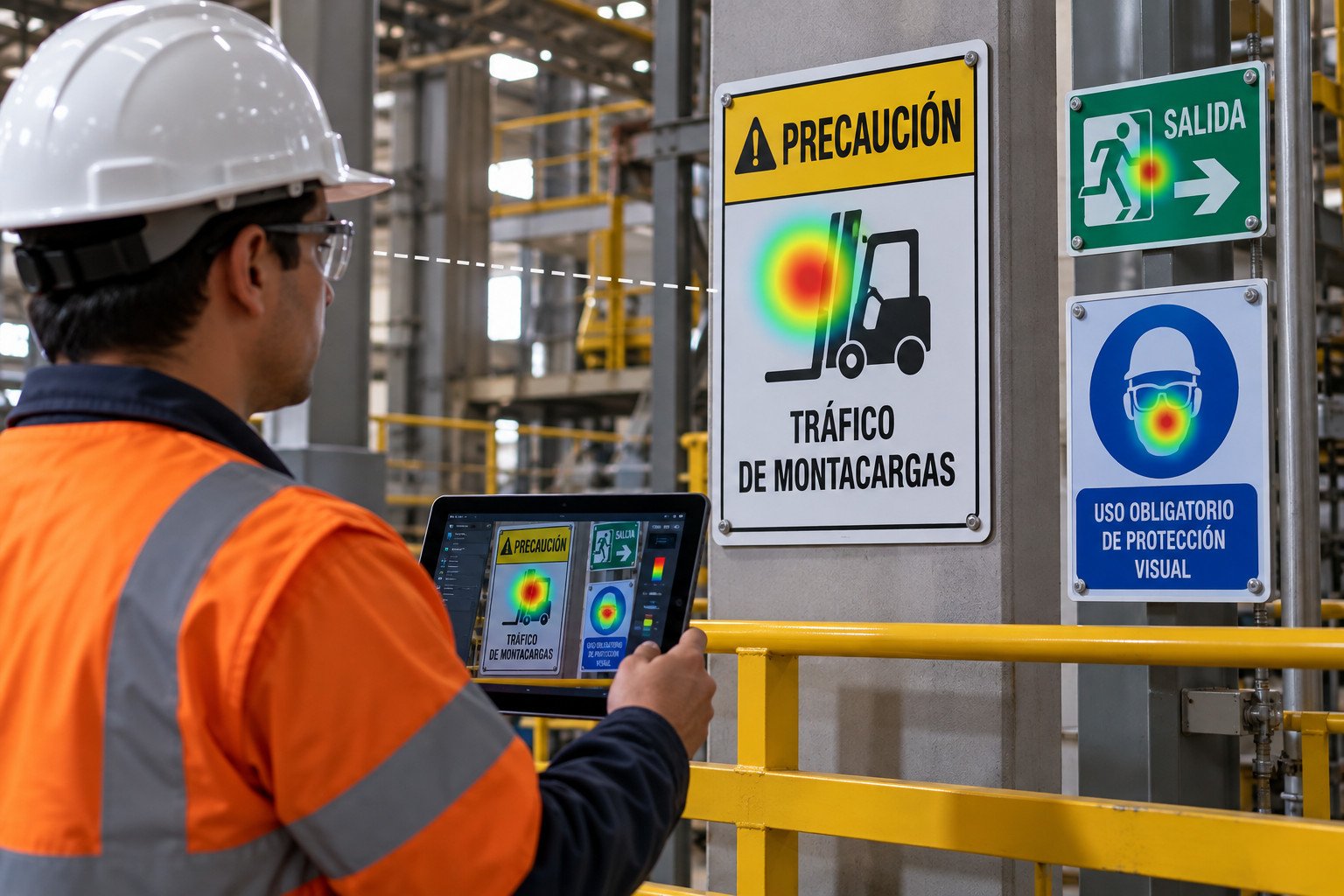
IND06Industrial Signage Metrics
Do your workers actually see and understand safety signage before they need it?
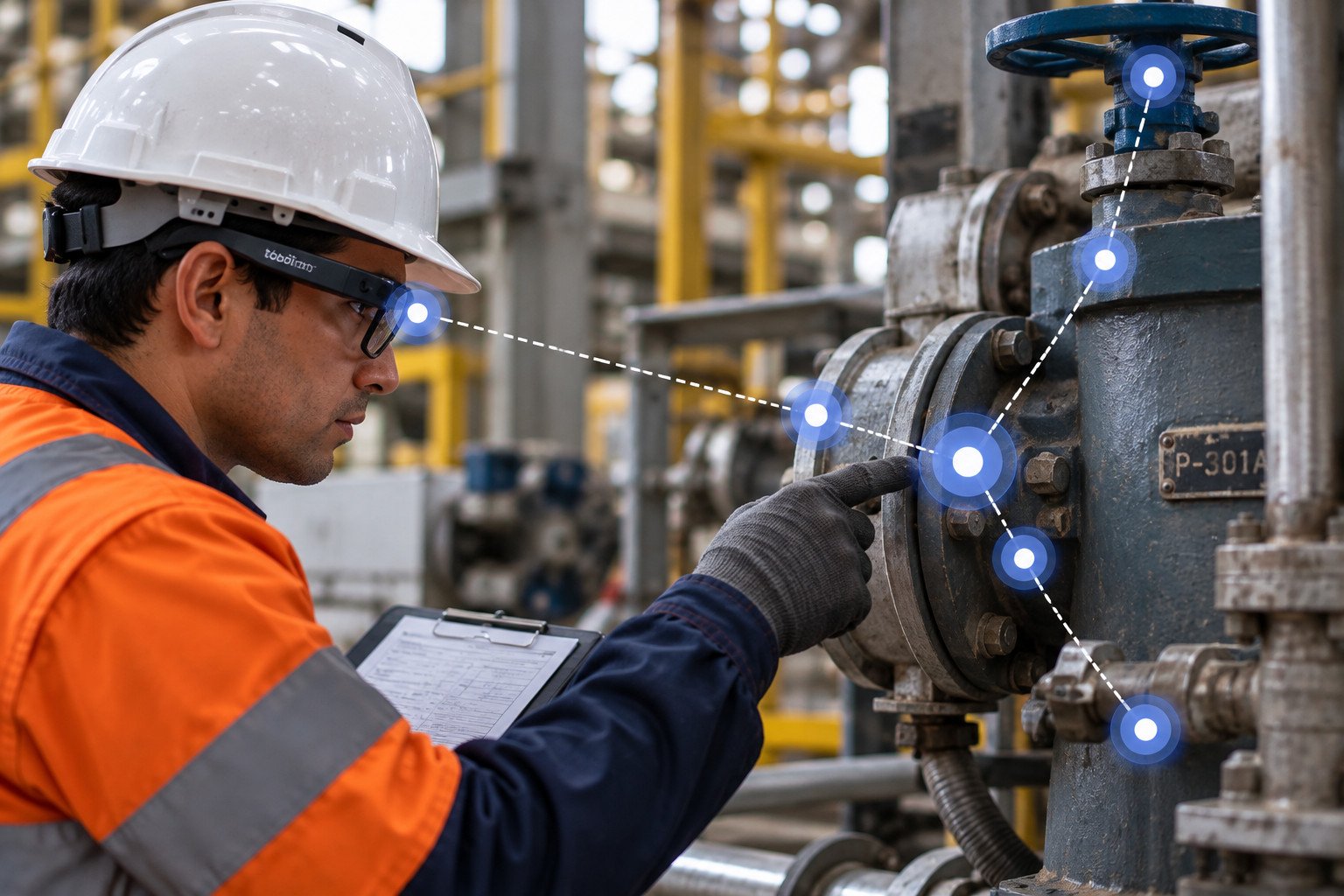 IND07
IND07Operator Visual Performance
Can your visual inspectors reliably detect the defects and anomalies their job depends on?
02Compliance2 studies+
 COM01
COM01Ethic Metrics
When a corporate crisis or integrity risk emerges, what does your workforce actually know, how are they involved, and how do they respond to it?
 COM02
COM02Incident Insight
What do the people involved actually know about the incident, and where do their accounts contain gaps, inconsistencies or relevant omissions?
03Professional Performance10 studies+
 PP01
PP01Professional Performance Assessment
Can your professionals maintain the right level of attention and make accurate decisions under the real demands of their role?
 PP02
PP02Financial Performance Assessment
Can your financial professionals identify the right information and make sound decisions under pressure and uncertainty?
 PP03
PP03Fraud Identification Performance
Can your professionals detect potential fraud—and, when a suspicious case emerges, what do they actually know about it?
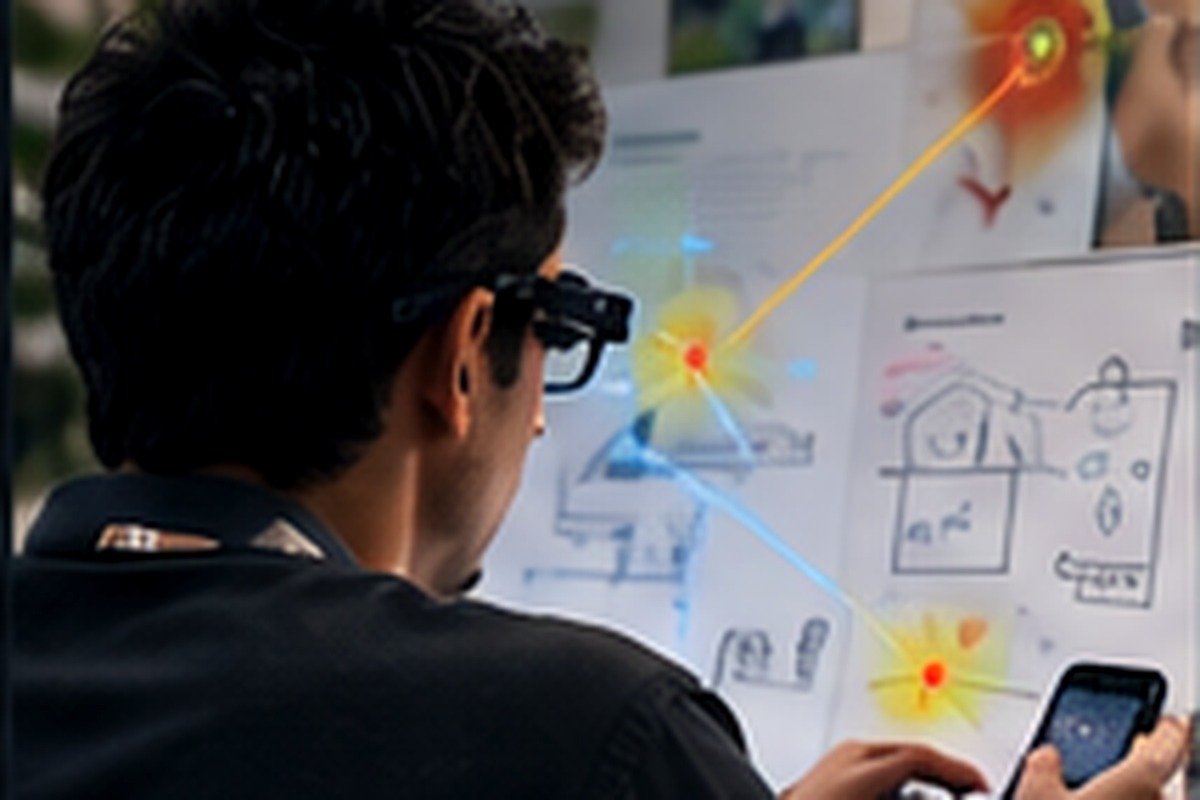 PP04
PP04Creative Performance Assessment
How does your professional generate, explore and refine ideas when solving a complex problem?
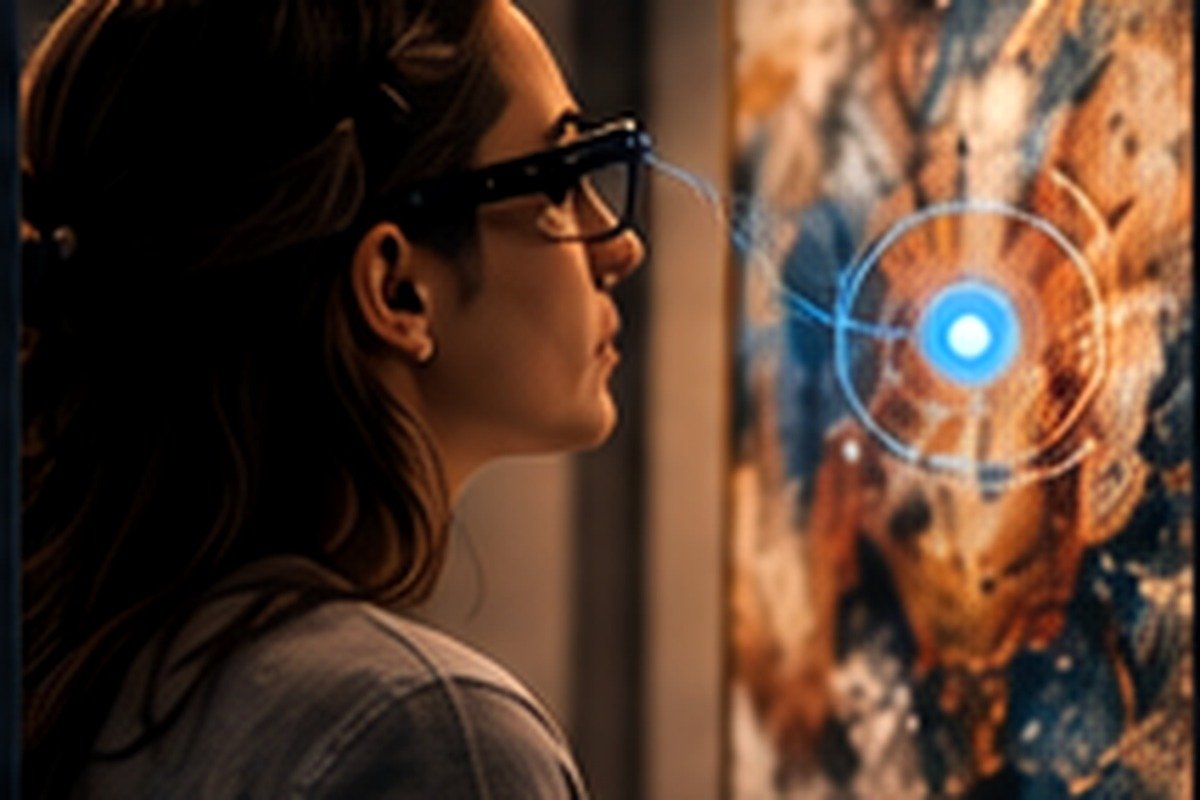 PP05
PP05Artistic / Perceptual Performance Assessment
How does an artist perceive, interpret and visually construct their work?
 PP06
PP06Aerospace Performance Assessment
Can aerospace professionals maintain situational awareness, prioritize critical information and make the right decisions under high workload?
 PP07
PP07Port / Maritime Performance Assessment
Can maritime and port professionals maintain situational awareness, detect critical signals and make the right operational decisions in dynamic and high-risk environments?
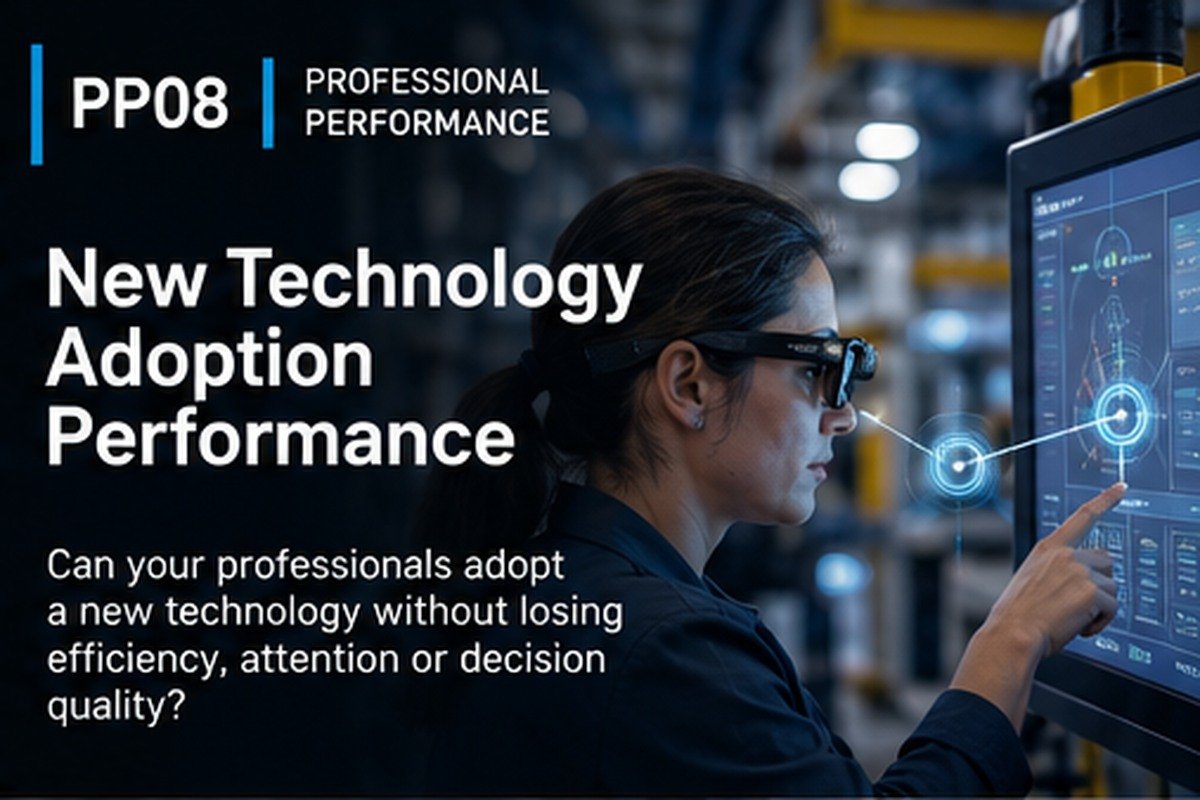 PP08
PP08New Technology Adoption Performance
Can your professionals adopt a new technology without losing efficiency, attention or decision quality?
 PP09
PP09Skills Transfer
Can the expertise of your best performers be captured and transferred to others?
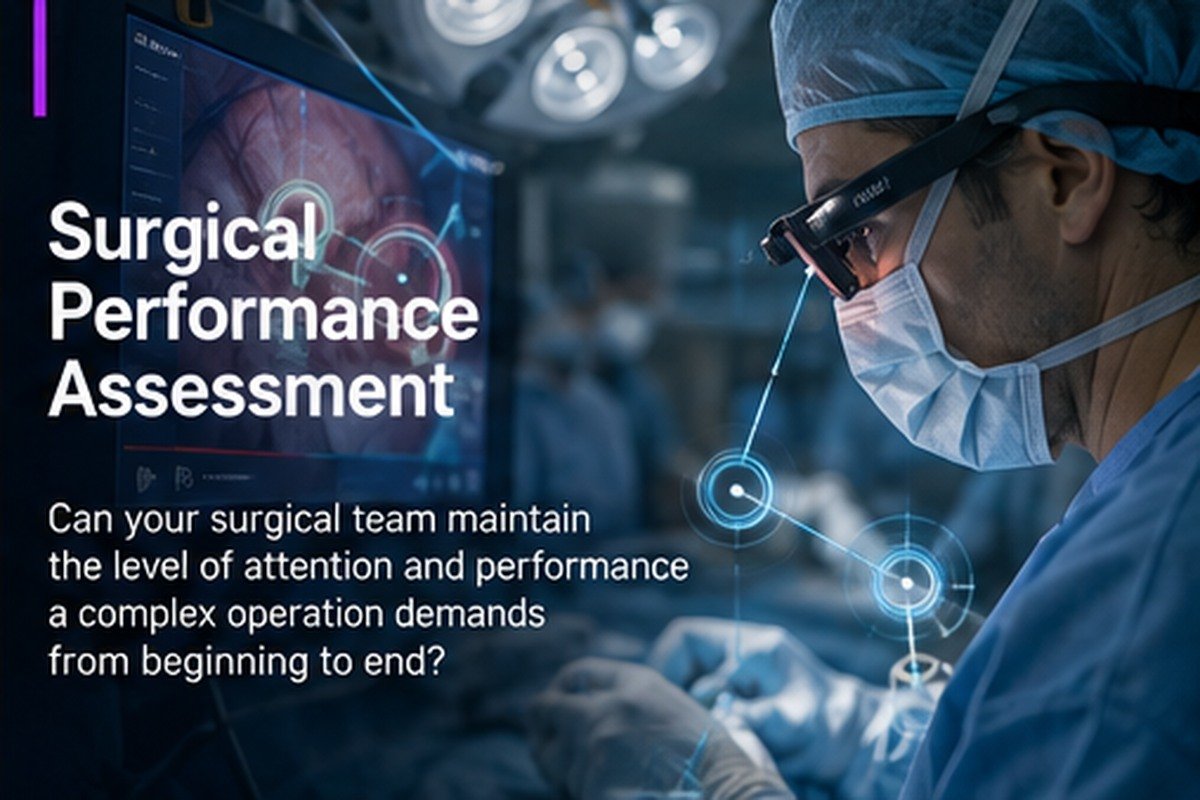 PP10
PP10Surgical Performance Assessment
Can your surgical team maintain the level of attention and performance a complex operation demands from beginning to end?
04Sports3 studies+
 SP01
SP01Sport Performance Assessment
What is the personal performance strategy that allows an elite athlete to compete at the highest level?
 SP02
SP02Sports Skills Transfer
Can the performance strategy of an elite athlete be captured and transferred to another athlete?
 SP03
SP03Sport ErgoMetrics
Is the athlete’s movement strategy creating unnecessary biomechanical load, fatigue or risk of performance deterioration?
05Consumer Behavior Research14 studies+
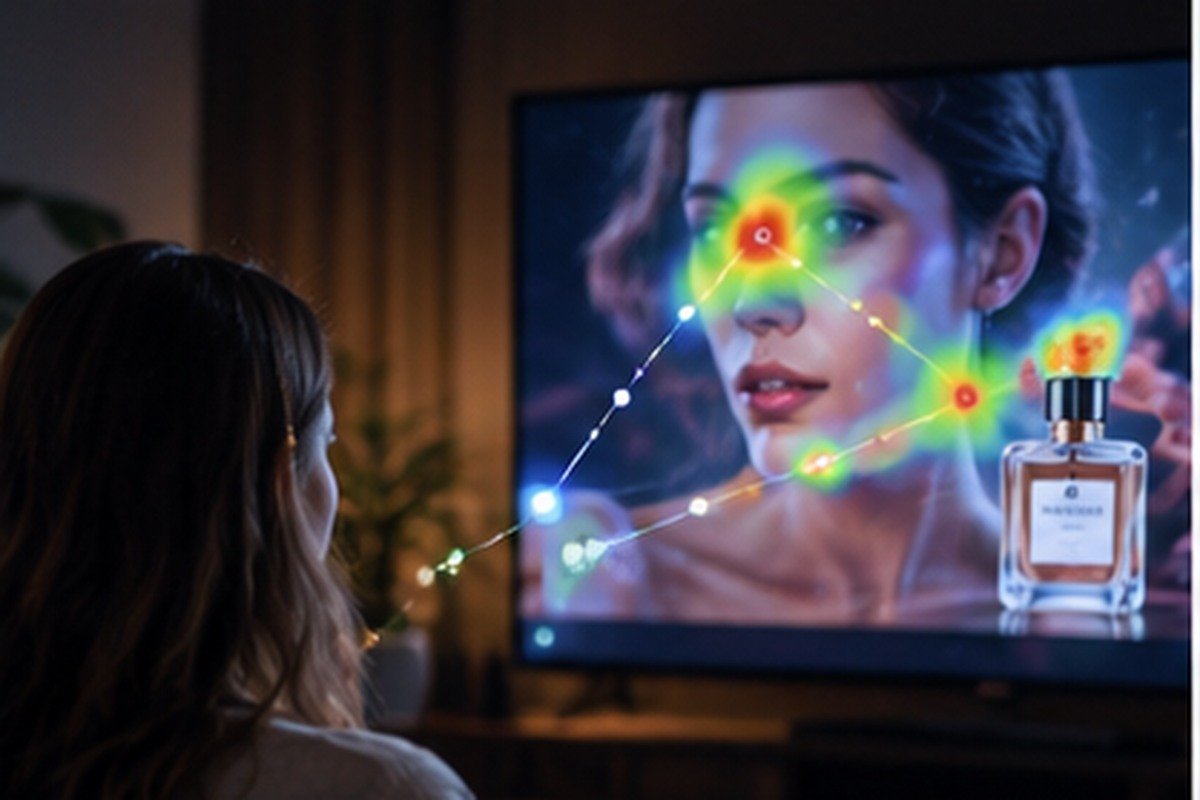 CBR01
CBR01Advertising Research
Does your advertising work?
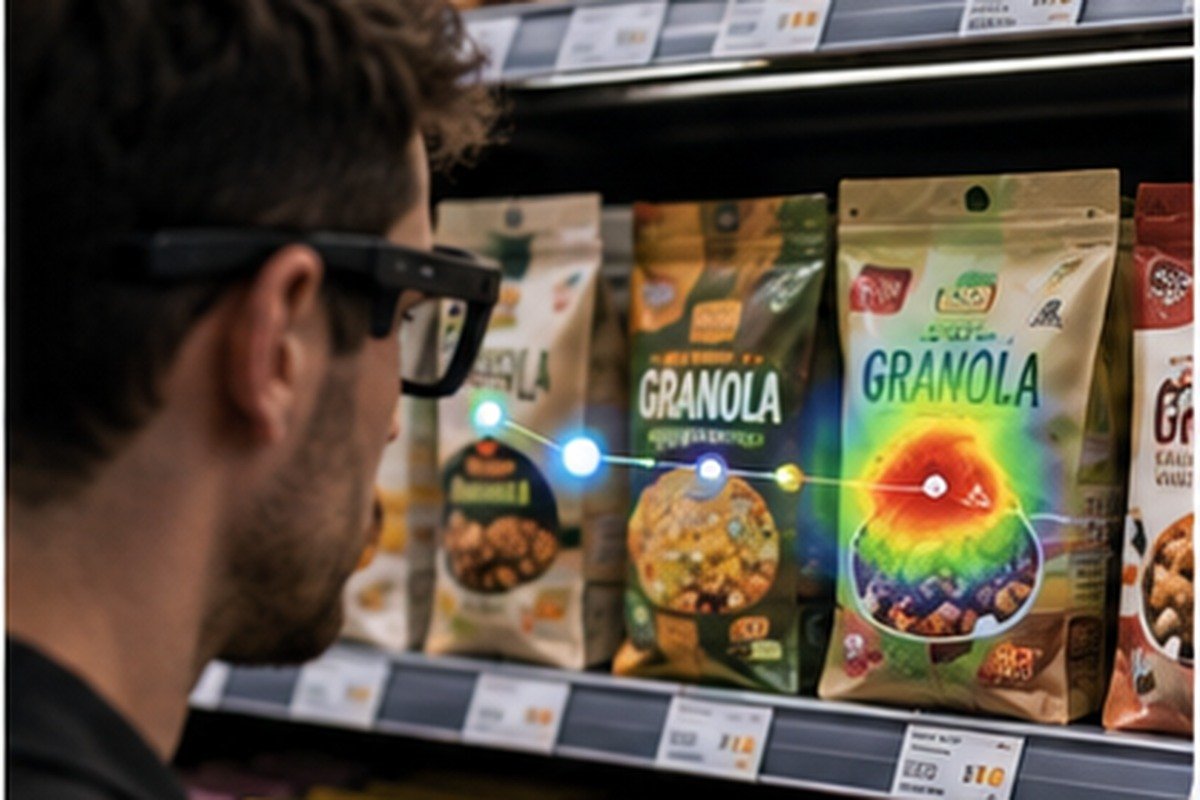 CBR02
CBR02Packaging Research
Does your packaging stand out, communicate clearly and help consumers choose your product?
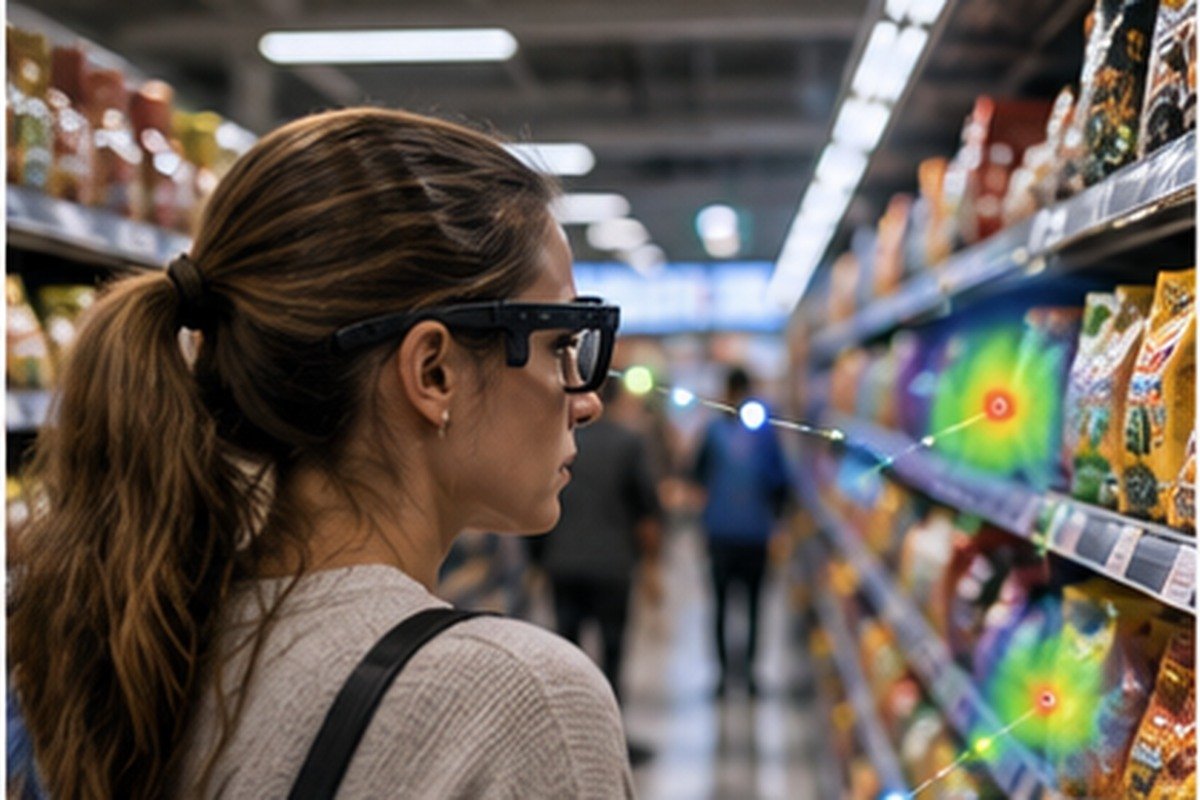 CBR03
CBR03Shopper Research
What makes shoppers notice, consider and choose your product?
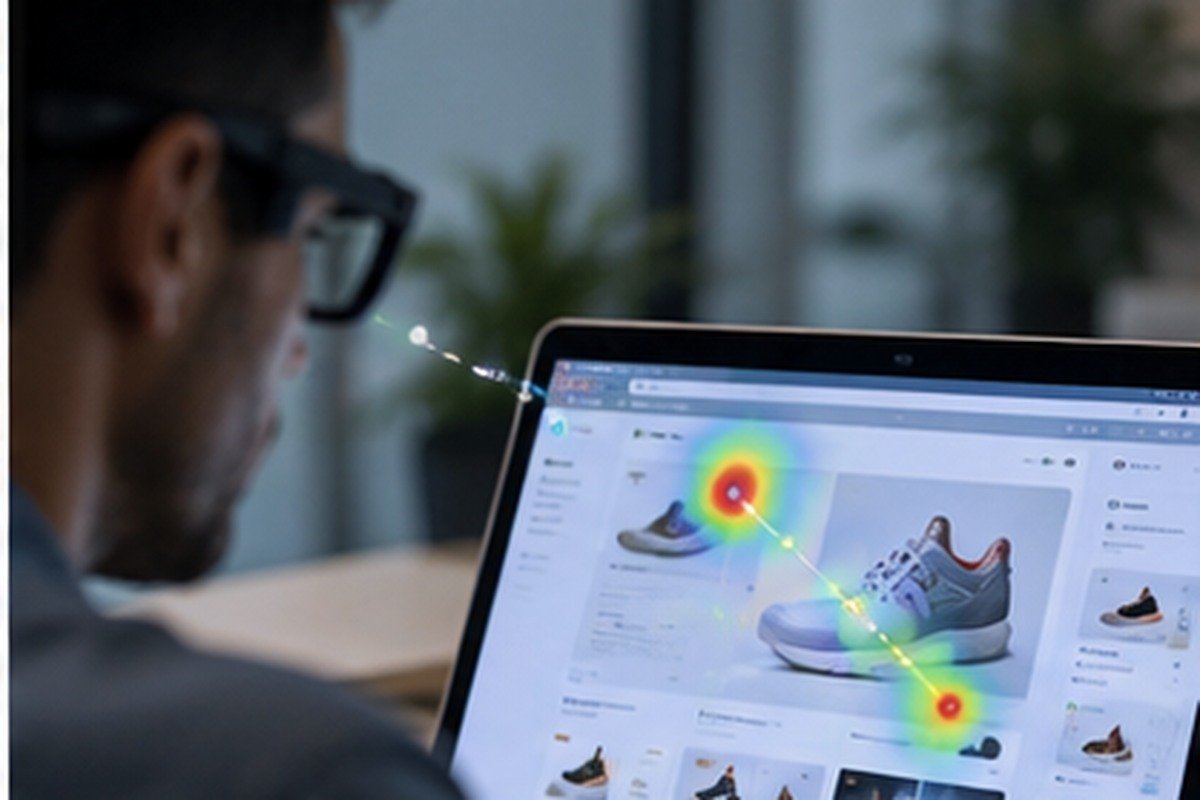 CBR04
CBR04UX Research
Does your digital experience turn attention into action—without friction?
 CBR05
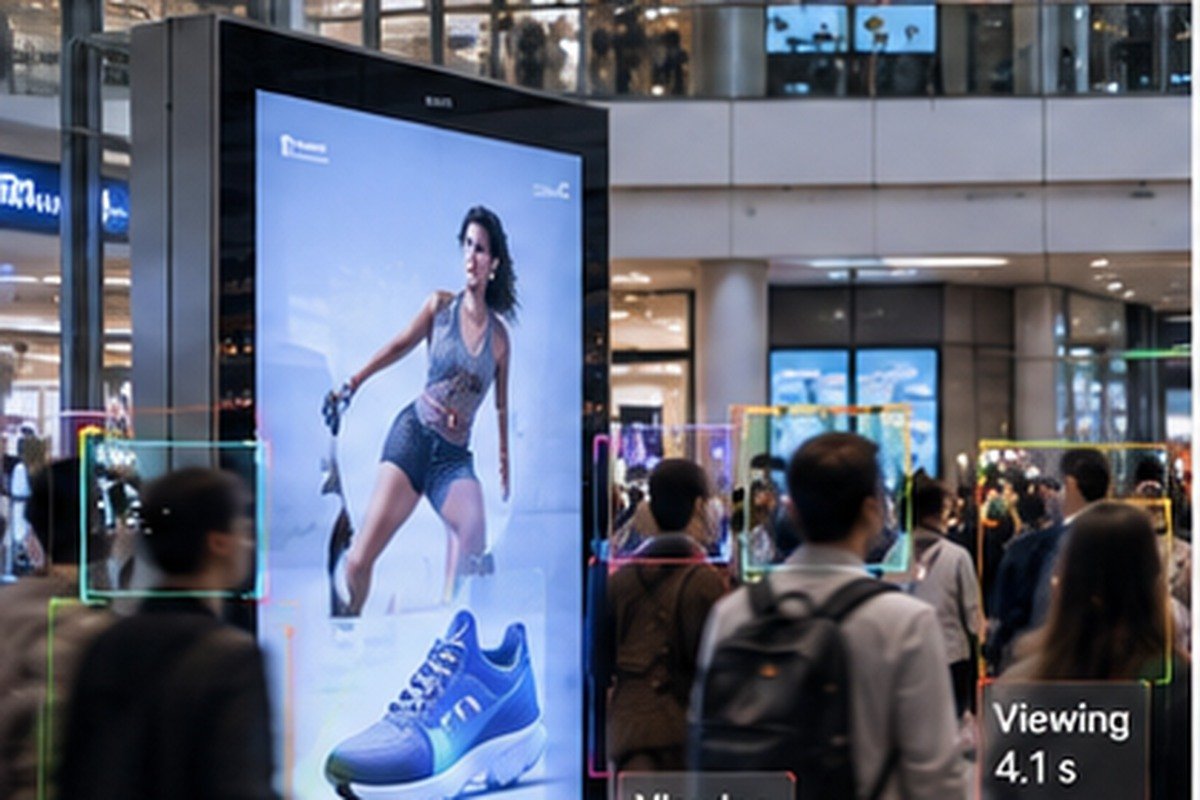
CBR05Audience Measurement
Are people just passing by—or is your media actually earning their attention?
 CBR06
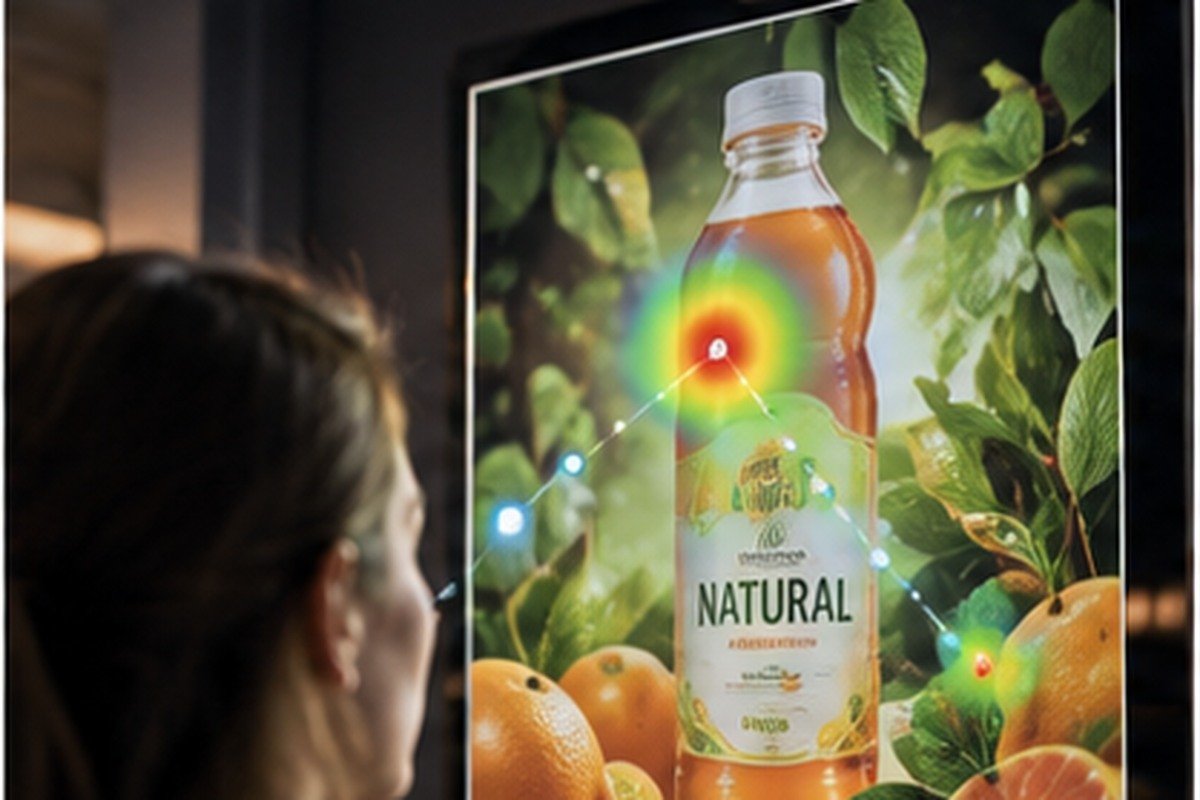
CBR06Visual Attention / Visibility
Are people really seeing and understanding your message?
 CBR07
CBR07Findability
Can people find what matters—fast?
 CBR08
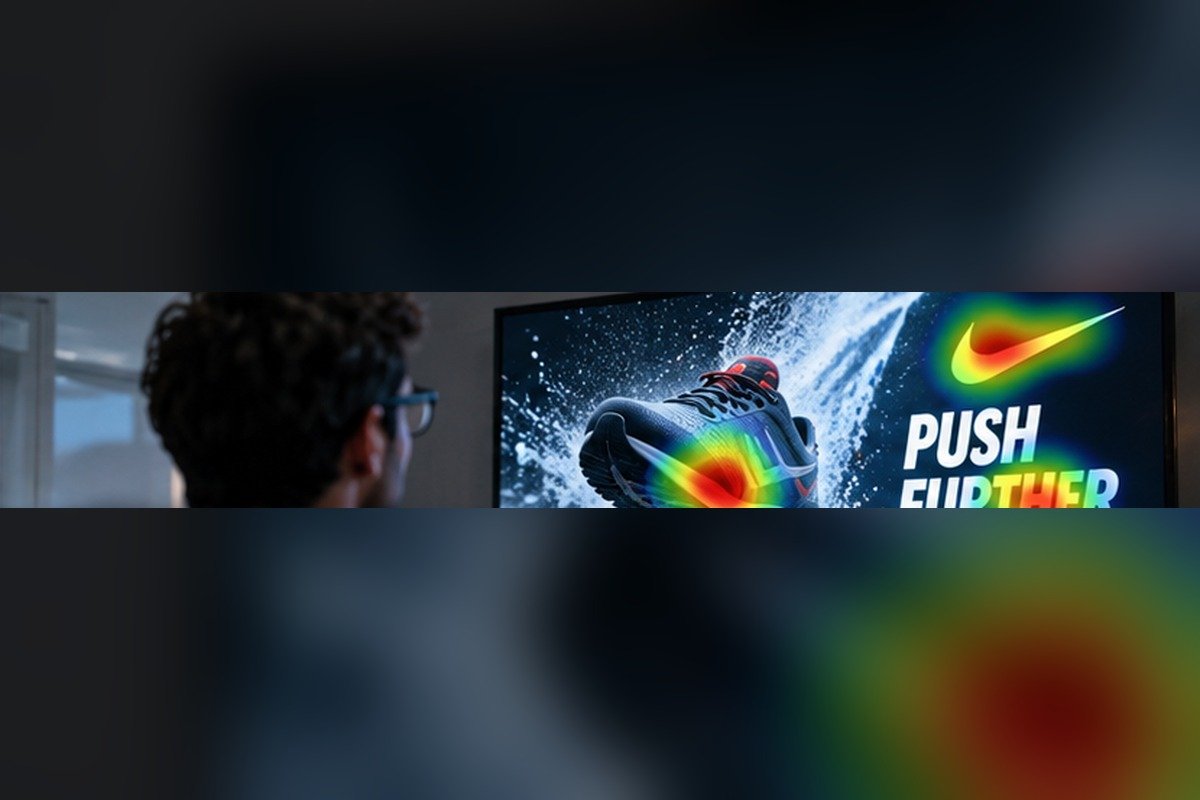
CBR08Brand Communication / Decoding
Is your brand saying what you think it’s saying?
 CBR09
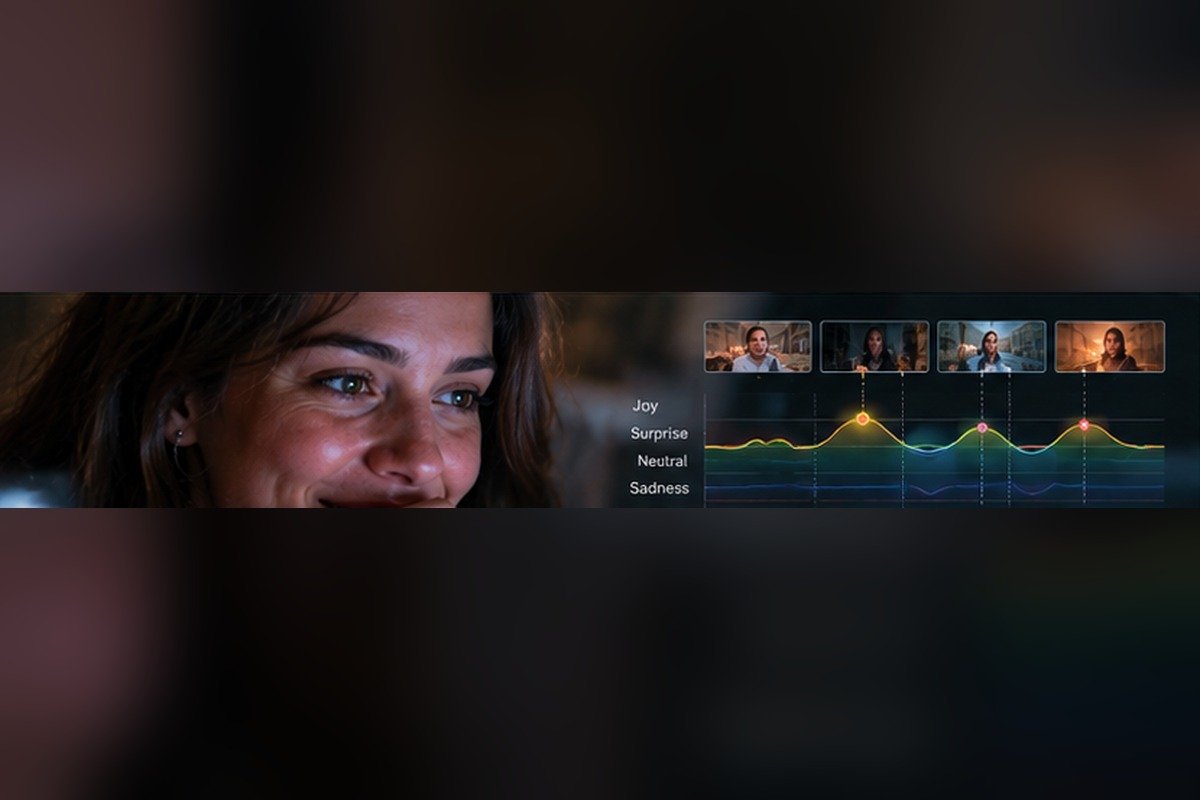
CBR09Emotional Response
What emotion are you truly awakening in your audience?
 CBR10
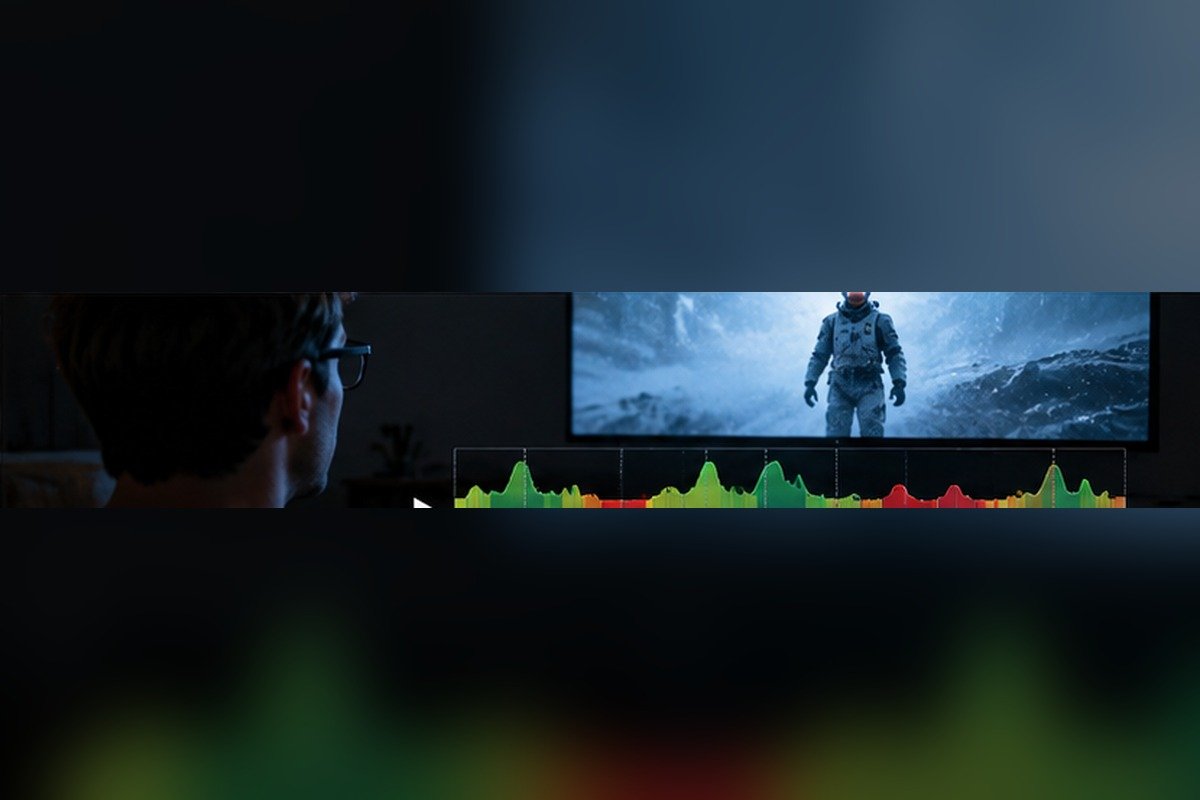
CBR10Engagement
Are you really keeping your audience engaged—or are you losing them?
 CBR12
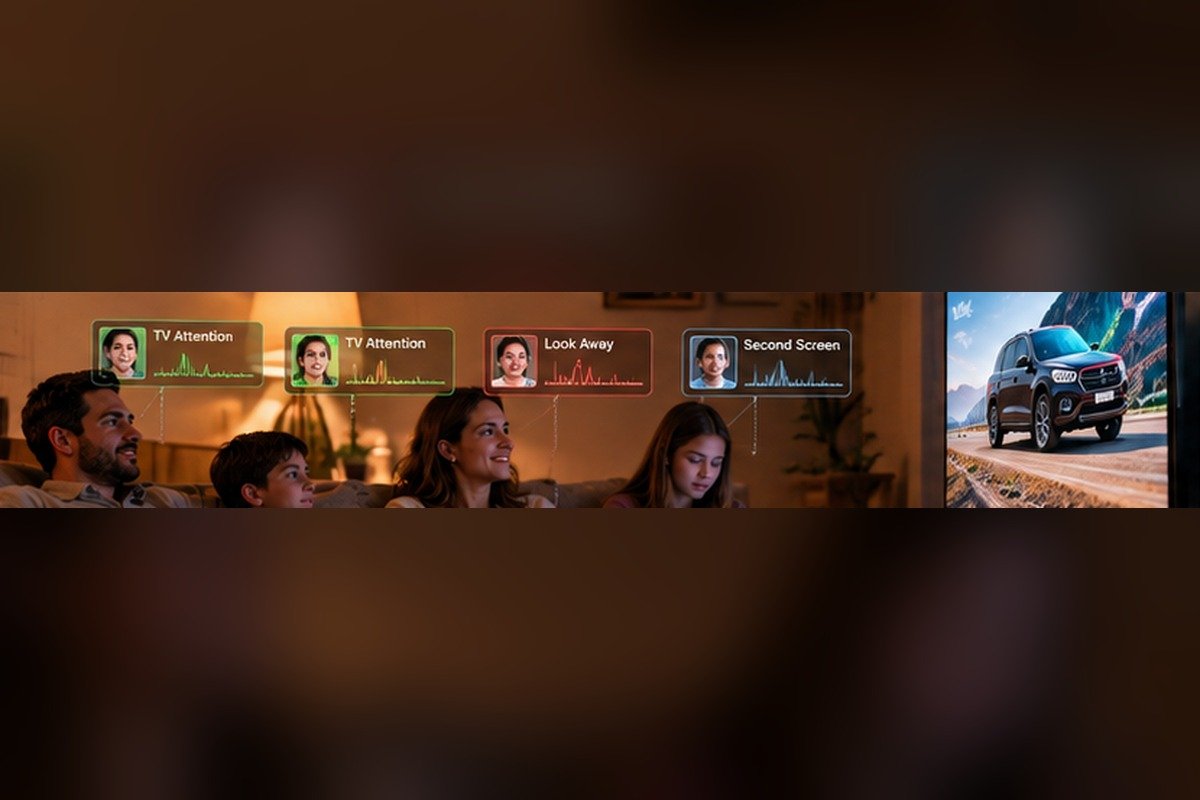
CBR12In-Home TV Attention
When the ads come on, are you still winning their attention—and how do they really feel?
 CBR13
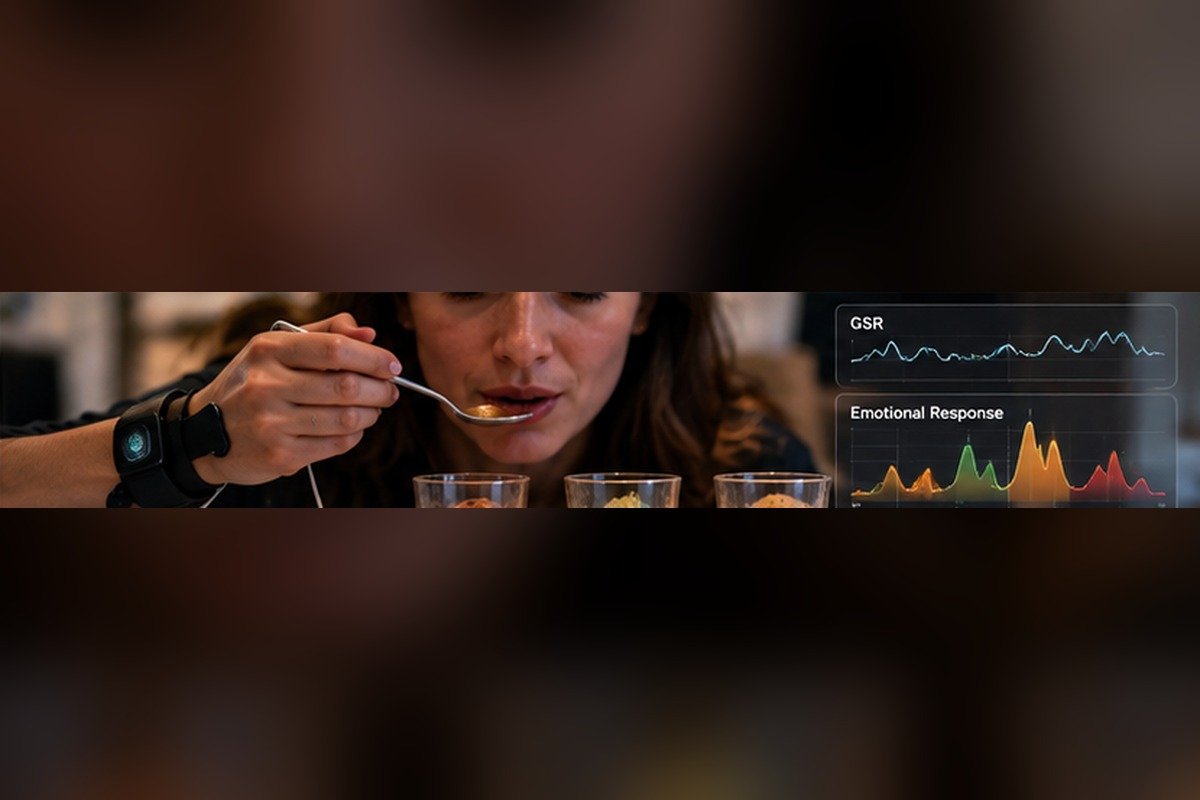
CBR13Sensory Neuromarketing
What taste, sound or texture makes your customer choose you?
 CBR14
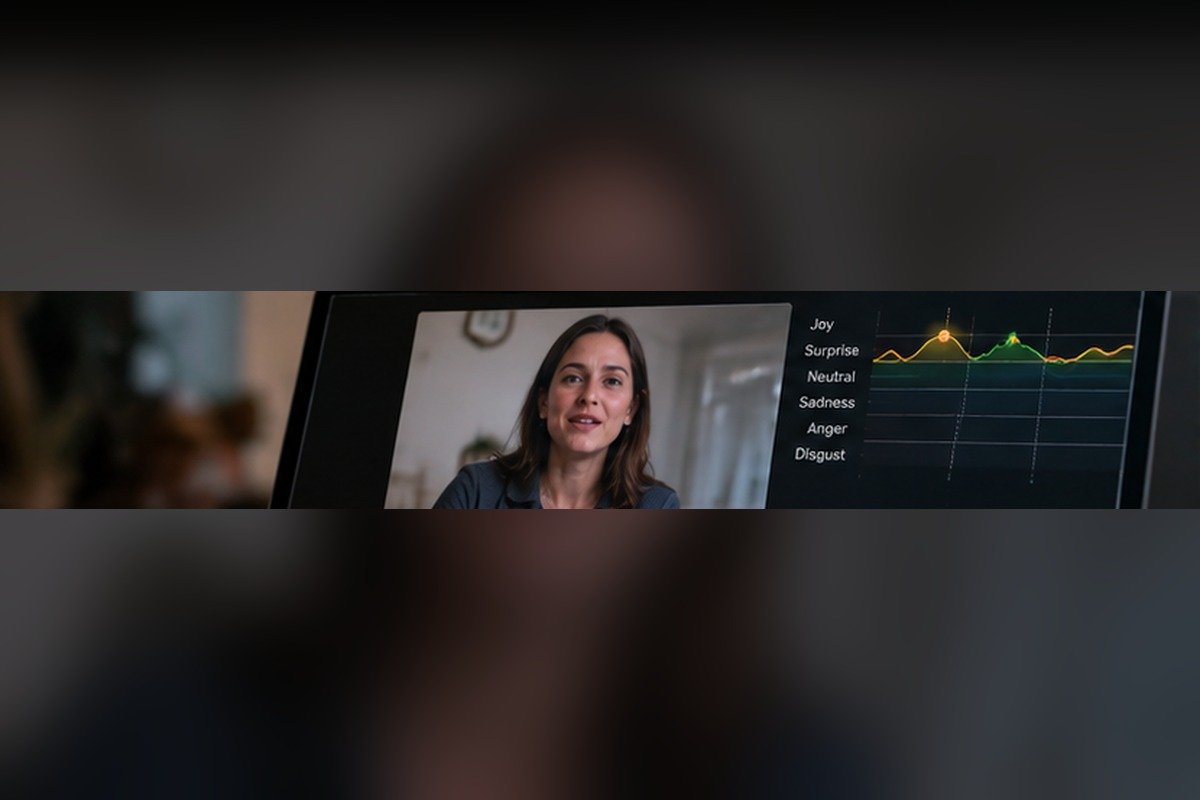
CBR14Emotional Human Factors (EHF)
What facial-emotional patterns were expressed throughout this recording?
 CBR15
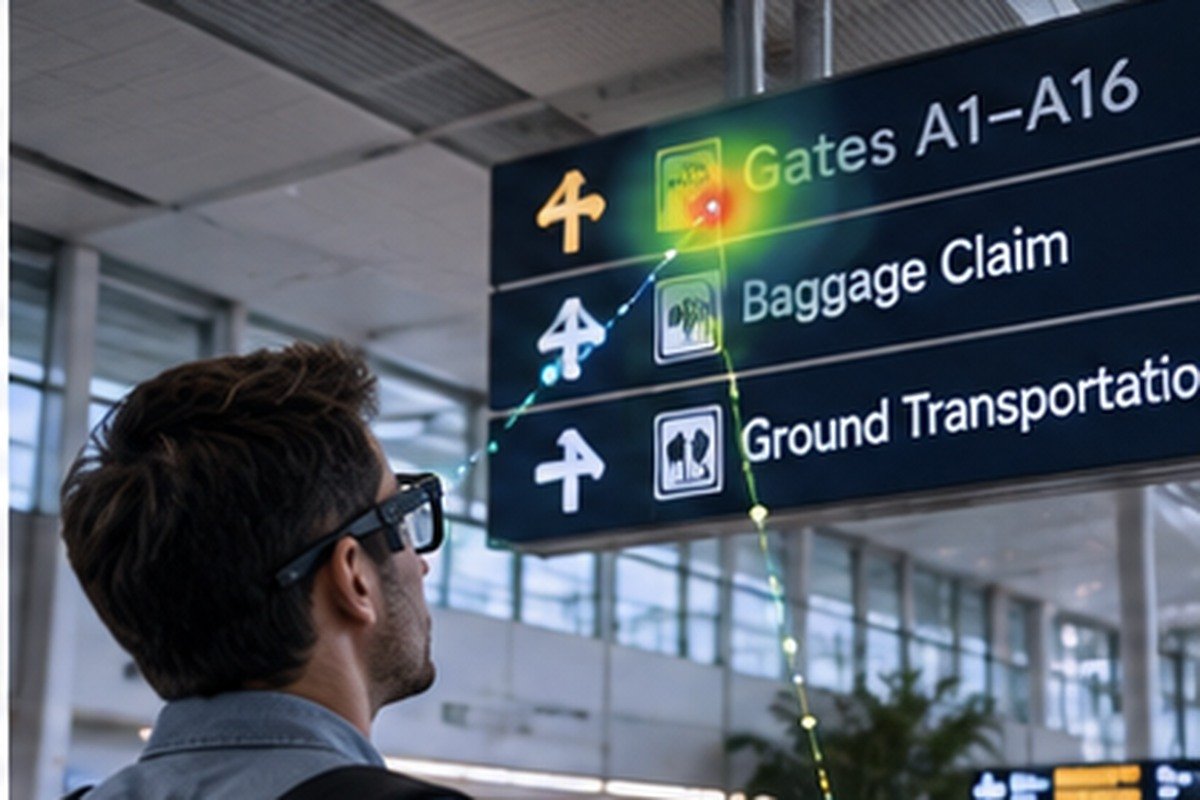
CBR15Wayfinding Research
Can people find their way—or is your space working against them?
06Political Marketing8 studies+
 POL01
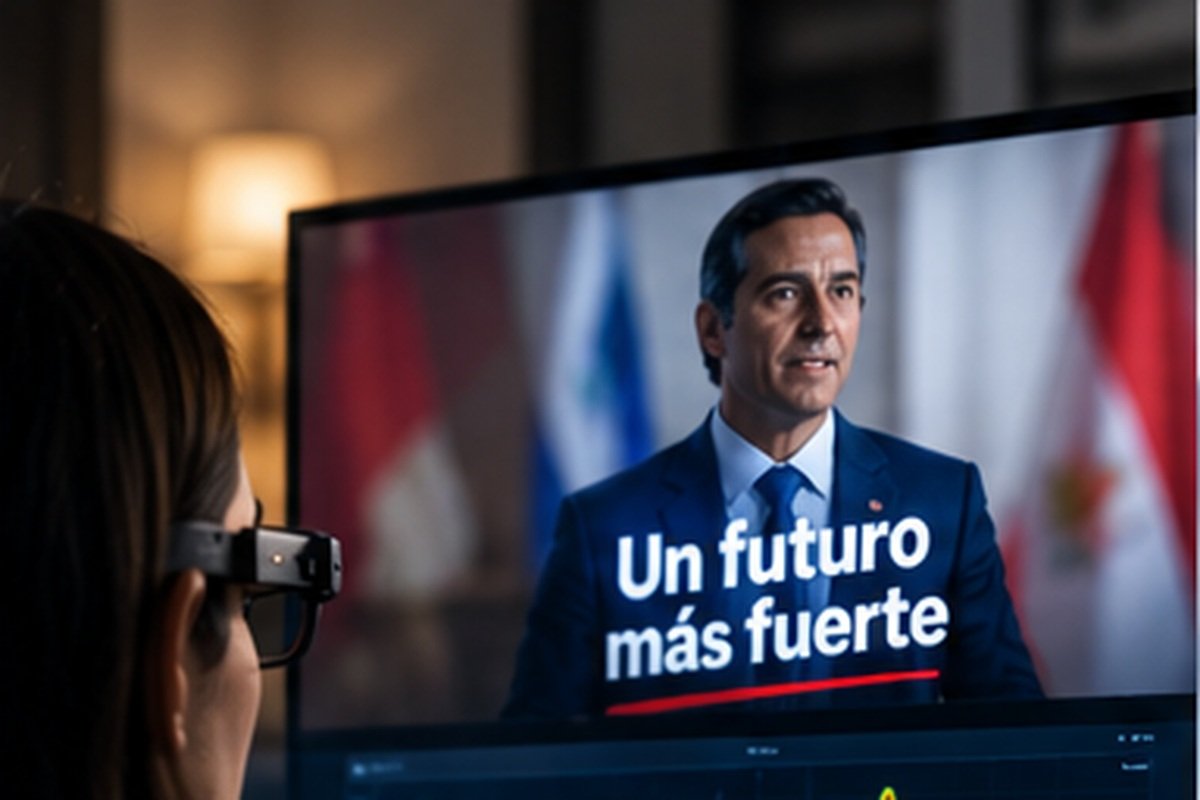
POL01Spot Tester
Which spot captures more attention, generates a stronger observed emotional response, and gives the campaign message more impact?
 POL02
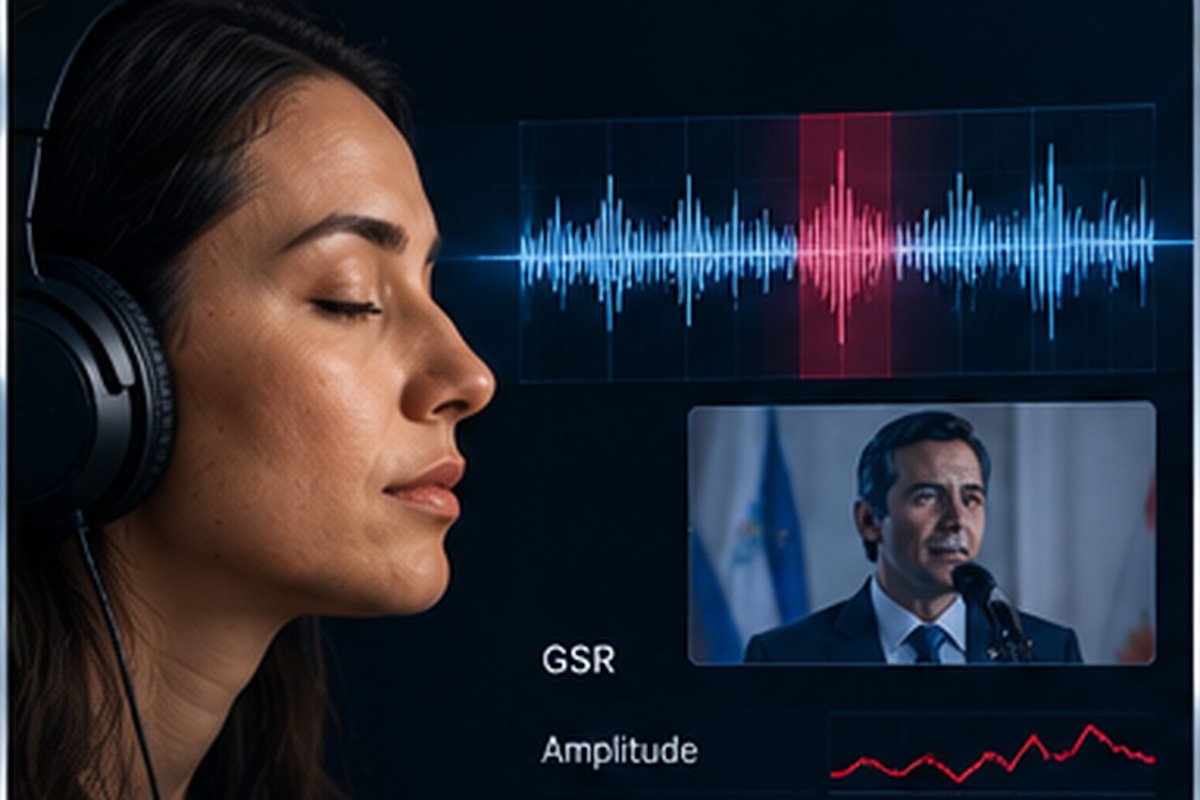
POL02Radio Spot Tester
Which radio spot generates the strongest physiological activation and keeps listeners connected to the campaign message?
 POL03
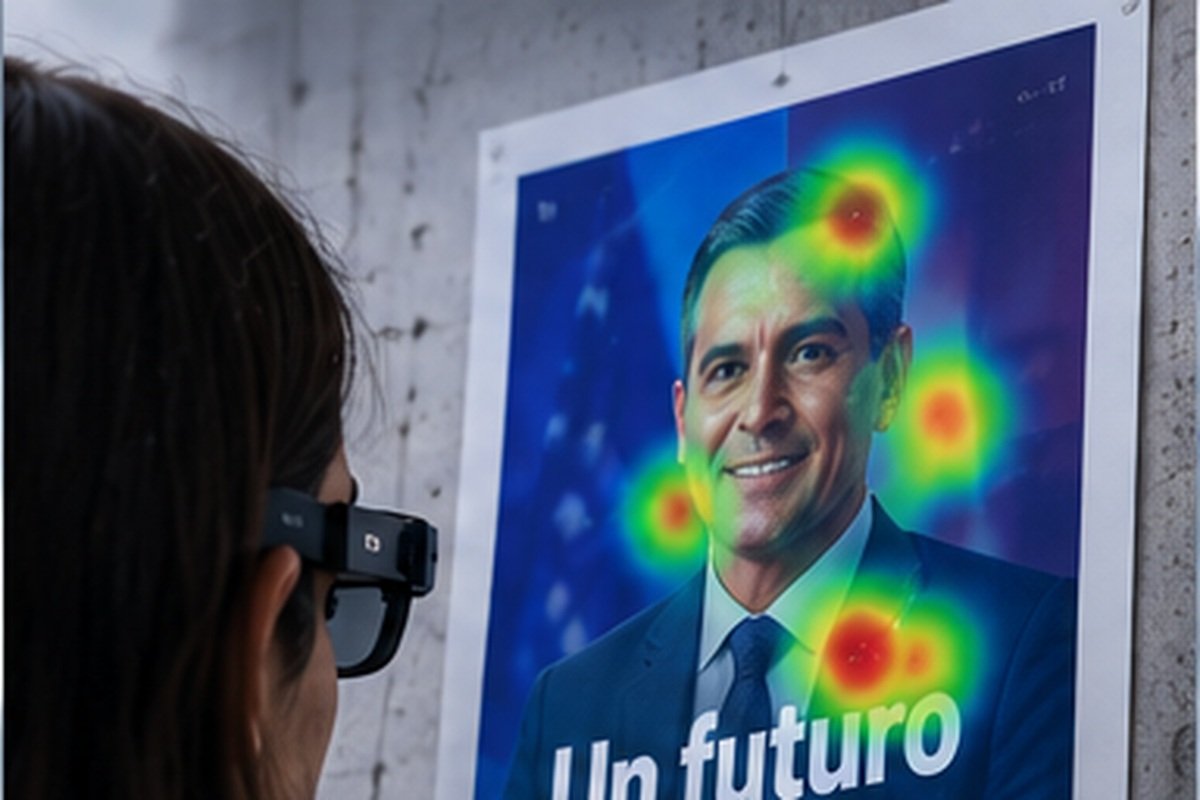
POL03Printed Material Tester
Which printed piece attracts more attention and makes the campaign message easier to see, understand and remember?
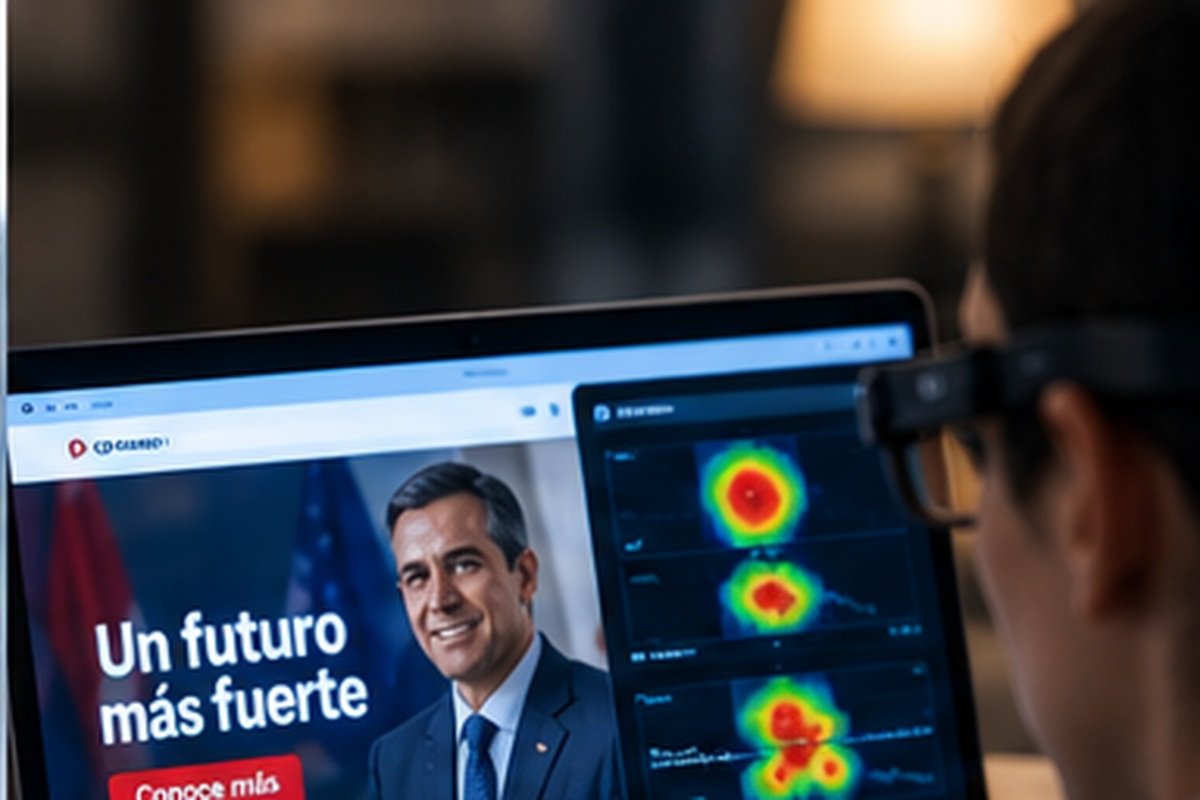 POL04
POL04Web & Social Media Tester
Which digital content stops the eye, holds attention and makes the campaign message stand out?
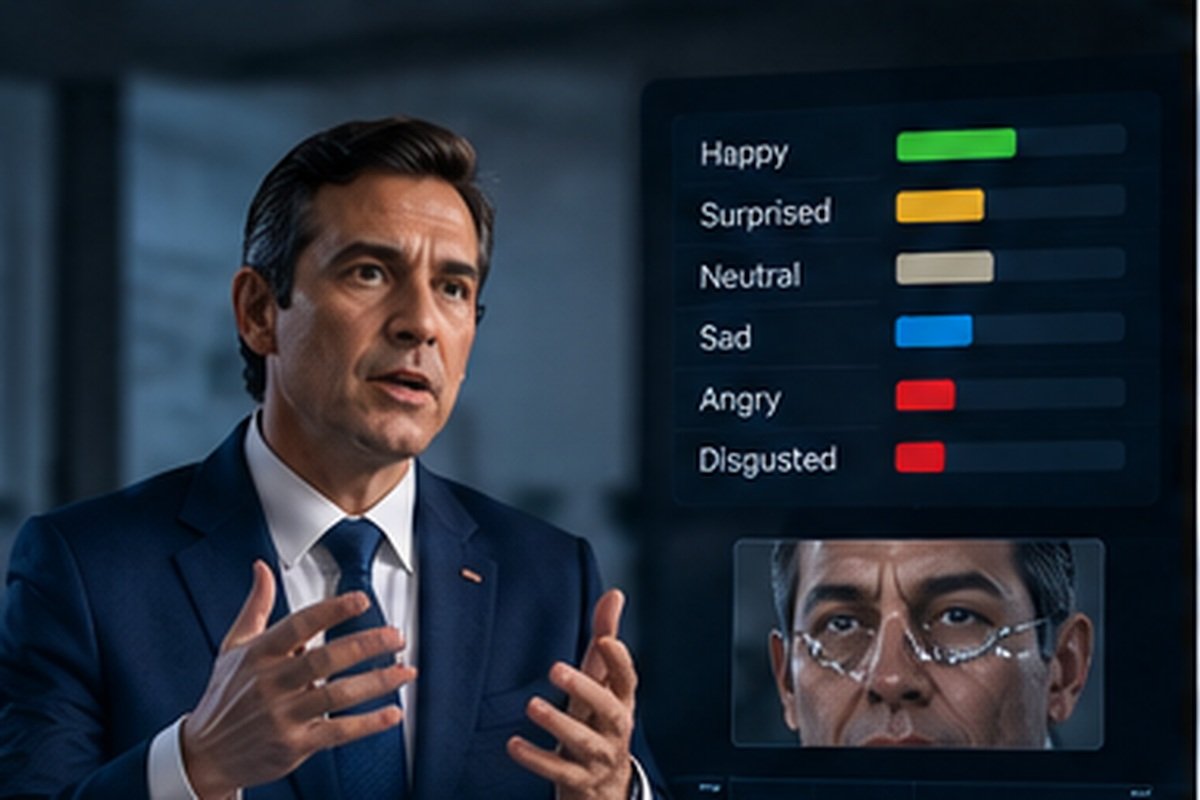 POL05
POL05Gesture Tester
Does your face communicate the same thing as your words?
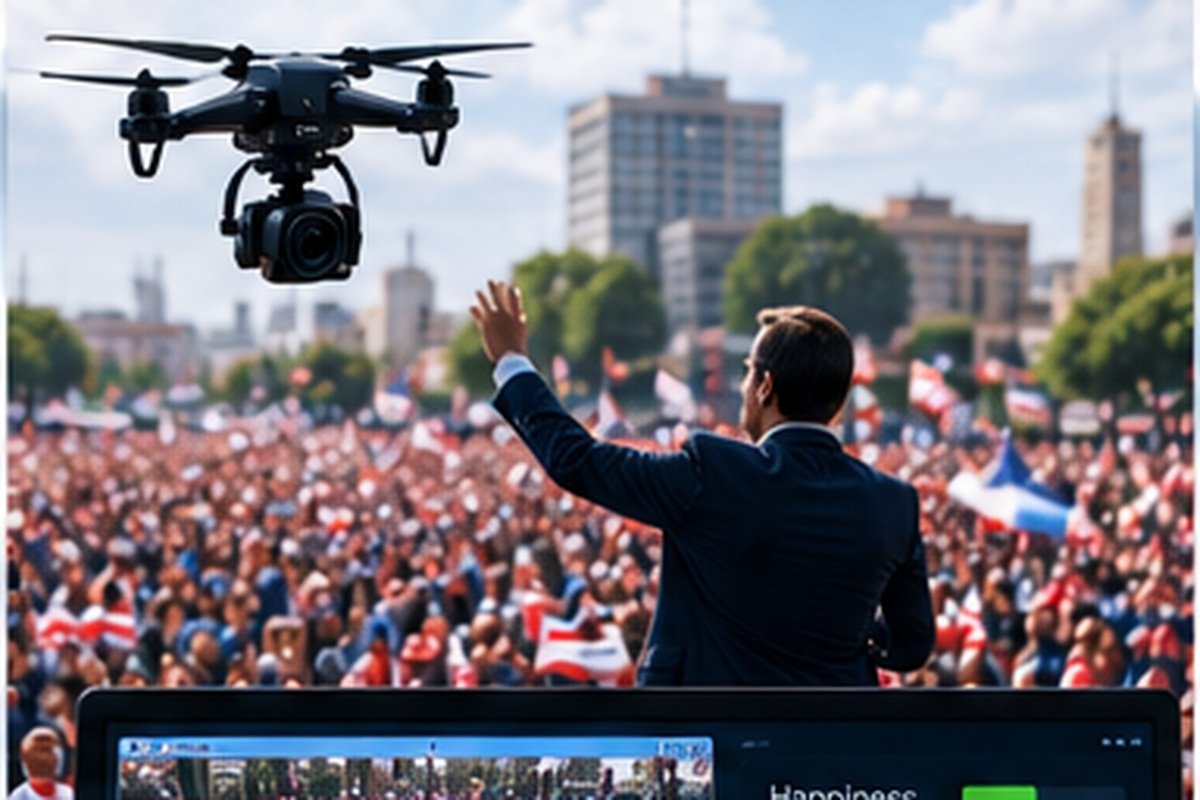 POL06
POL06Rally Moodometer
At what moments in your speech do you connect emotionally with the crowd—and when does that connection begin to fall?
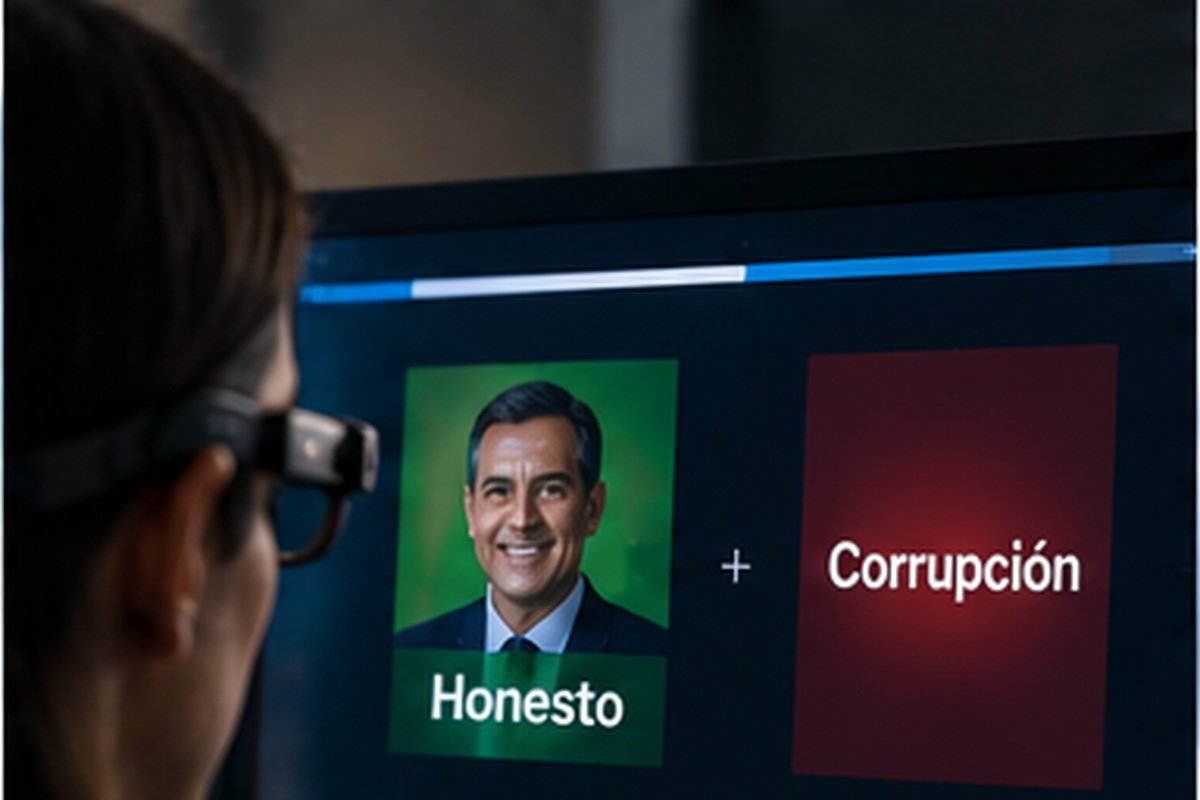 POL07
POL07Hidden Perception
Do you know what your voters really think about you—and do not tell you?
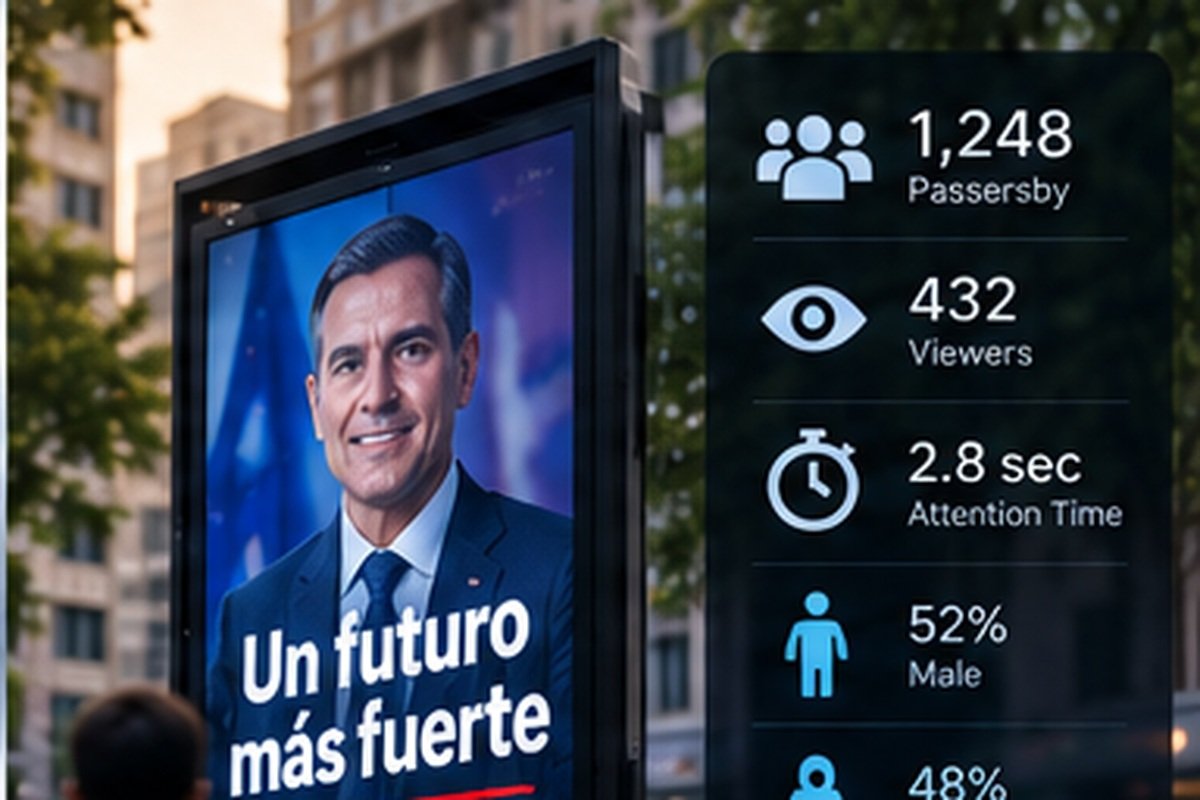 POL08
POL08Outdoor Metrics
Are you really being seen on the street?
07Criminology3 studies+
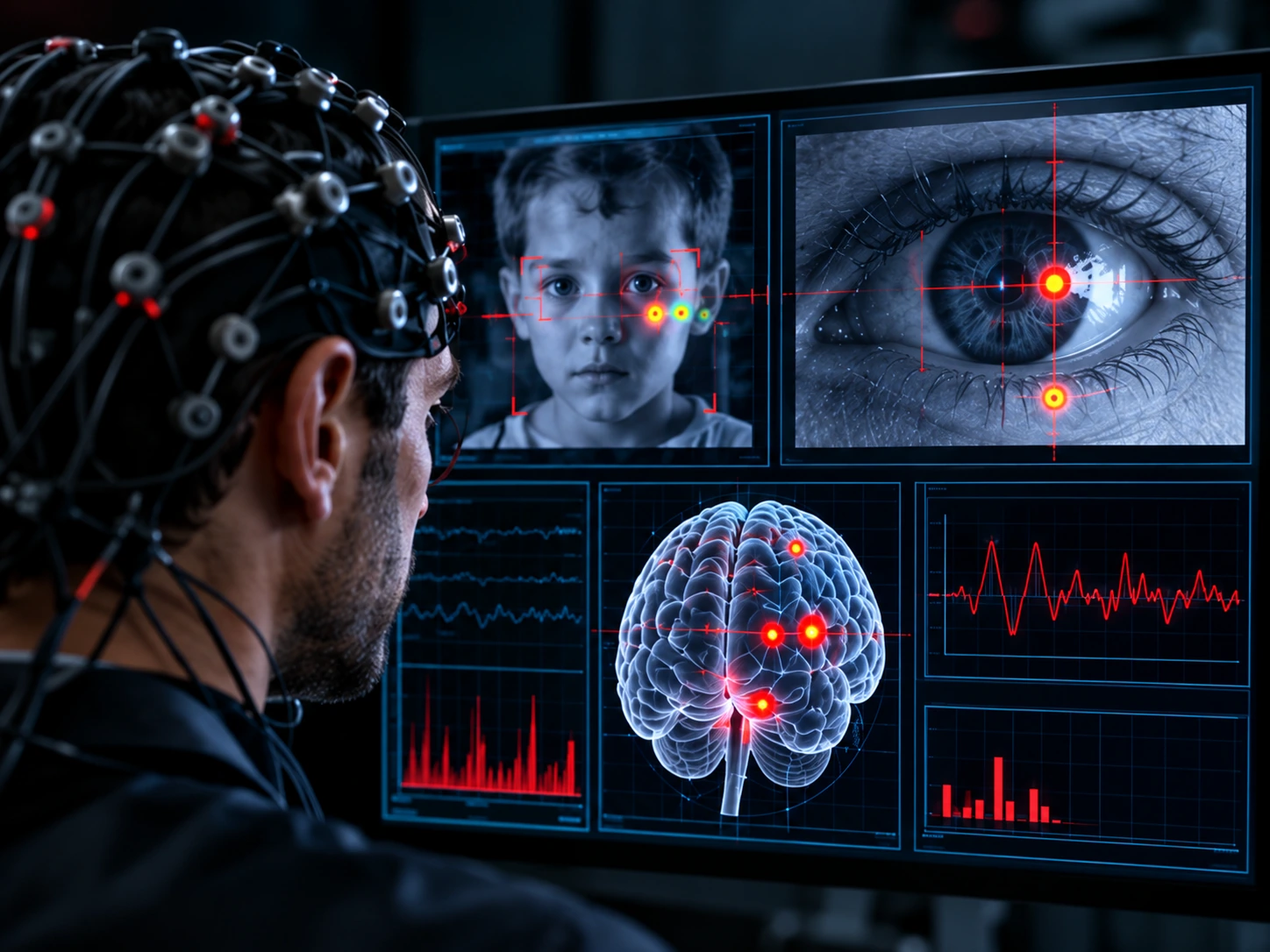 CR01
CR01Neurocriminology Assessment
What neurocognitive, attentional and neurophysiological patterns characterize this criminological profile?
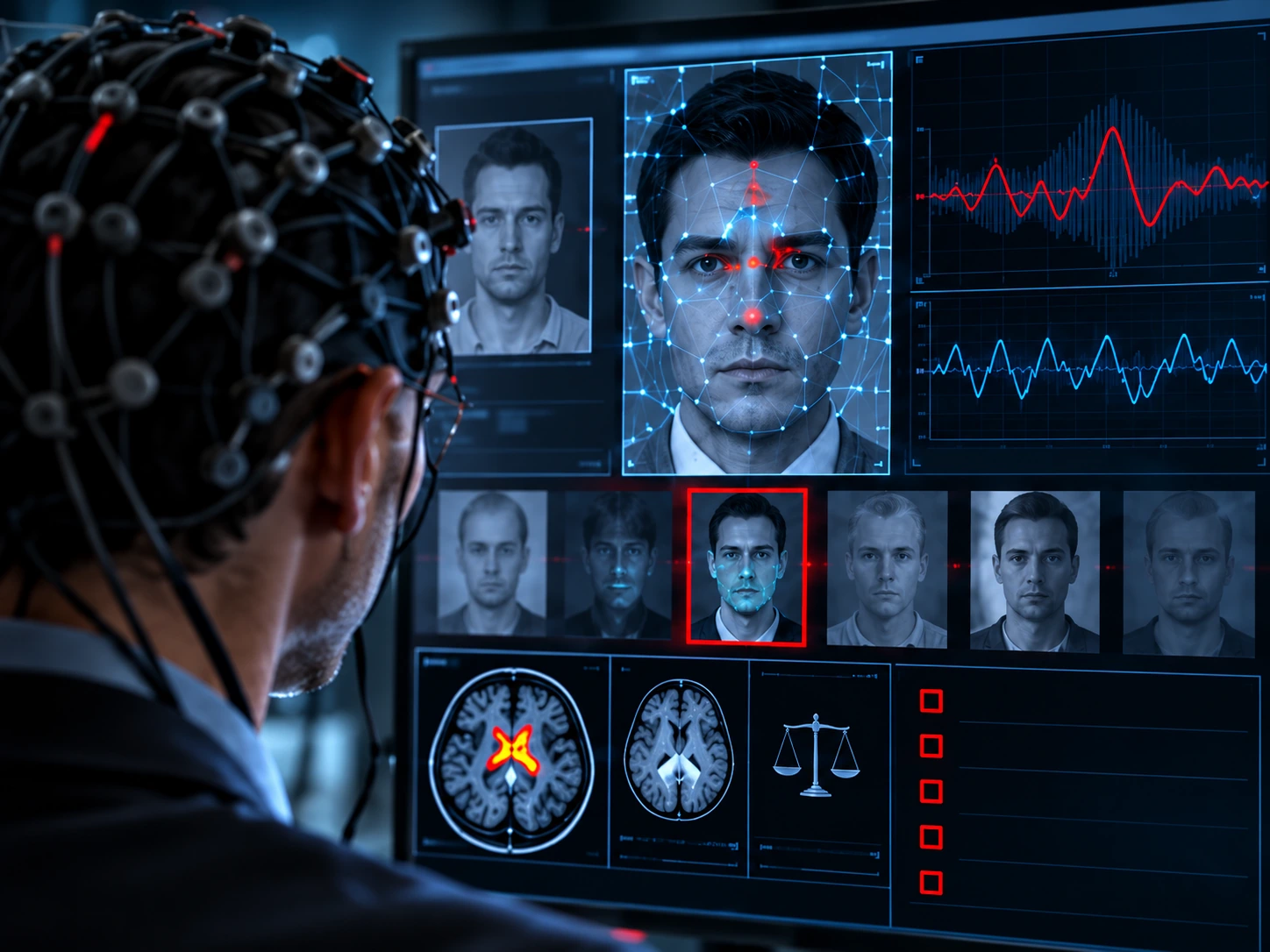 CR02
CR02Forensic Neuroscience & Neurolaw Assessment
What can neuroscience contribute to the legally relevant question in this case?
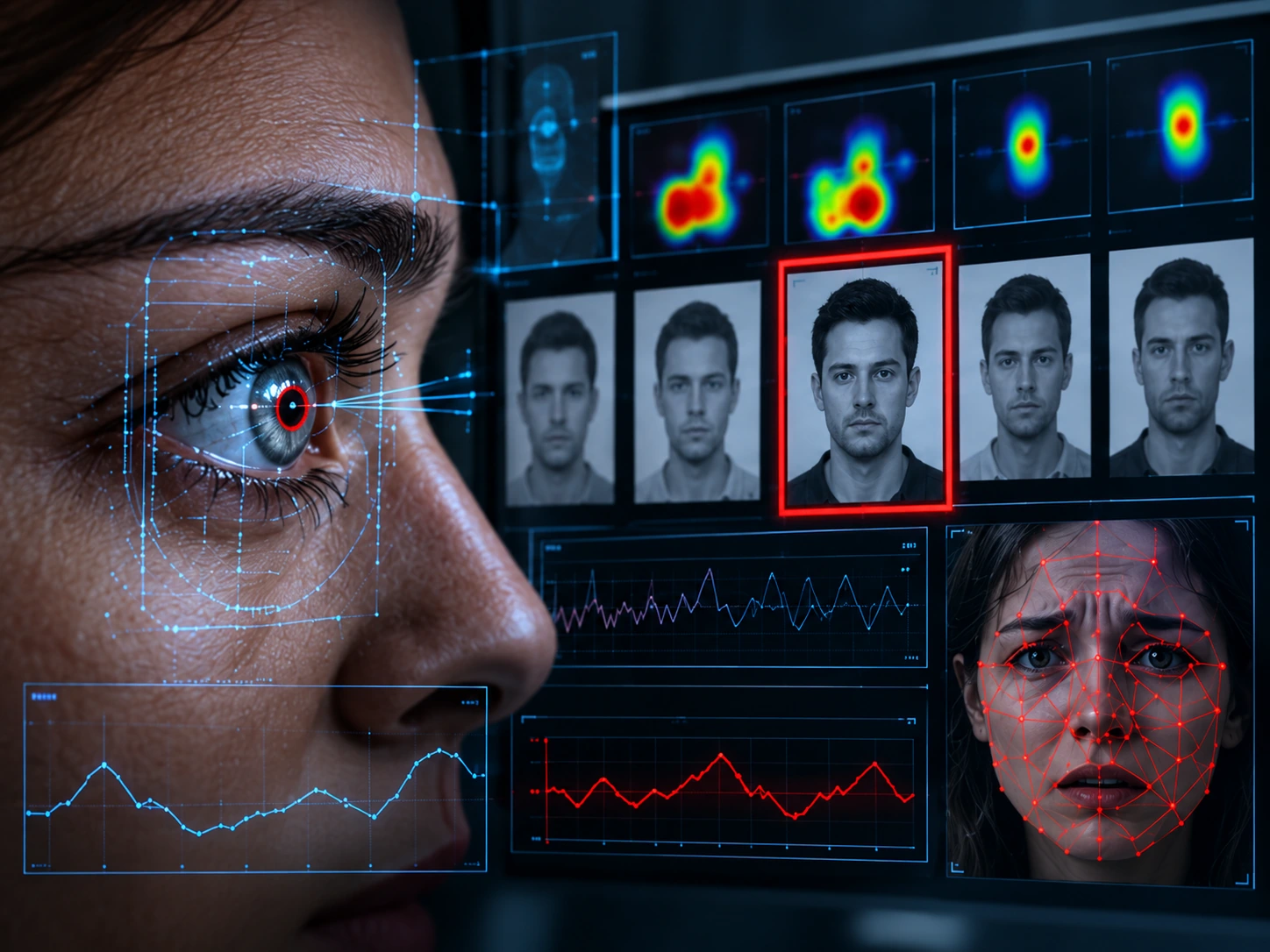 CR03
CR03Aggressor Detector & Trauma Response Assessment
Does one candidate trigger a differential recognition and trauma-linked response in the victim or witness?
08Road Safety3 studies+
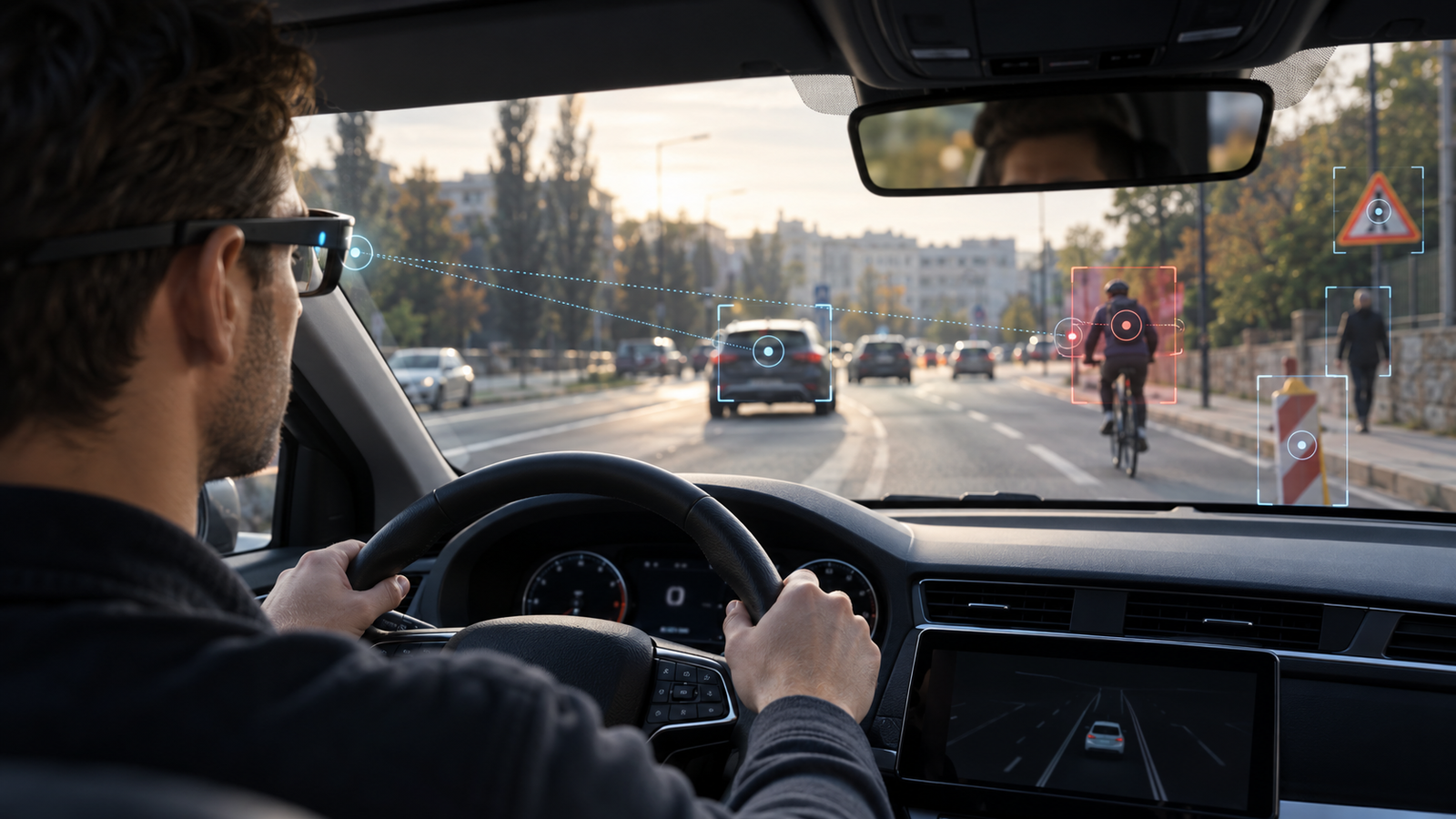 RS01
RS01Road Lab
Does your driver guarantee safe performance on the road?
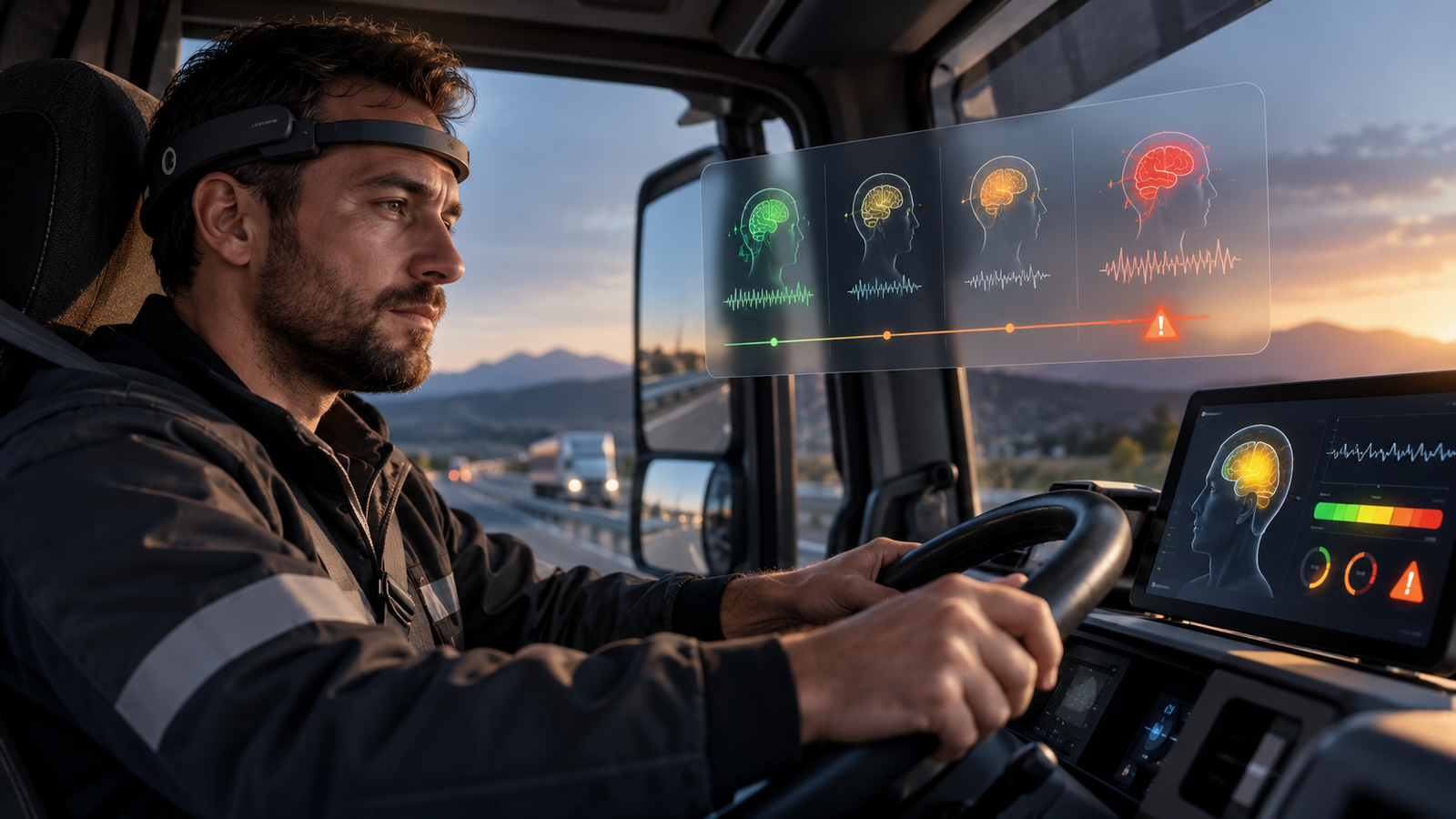 RS02
RS02Awareness Panel
Is the driver sufficiently alert — and can we intervene before fatigue, drowsiness or a microsleep becomes a critical event?
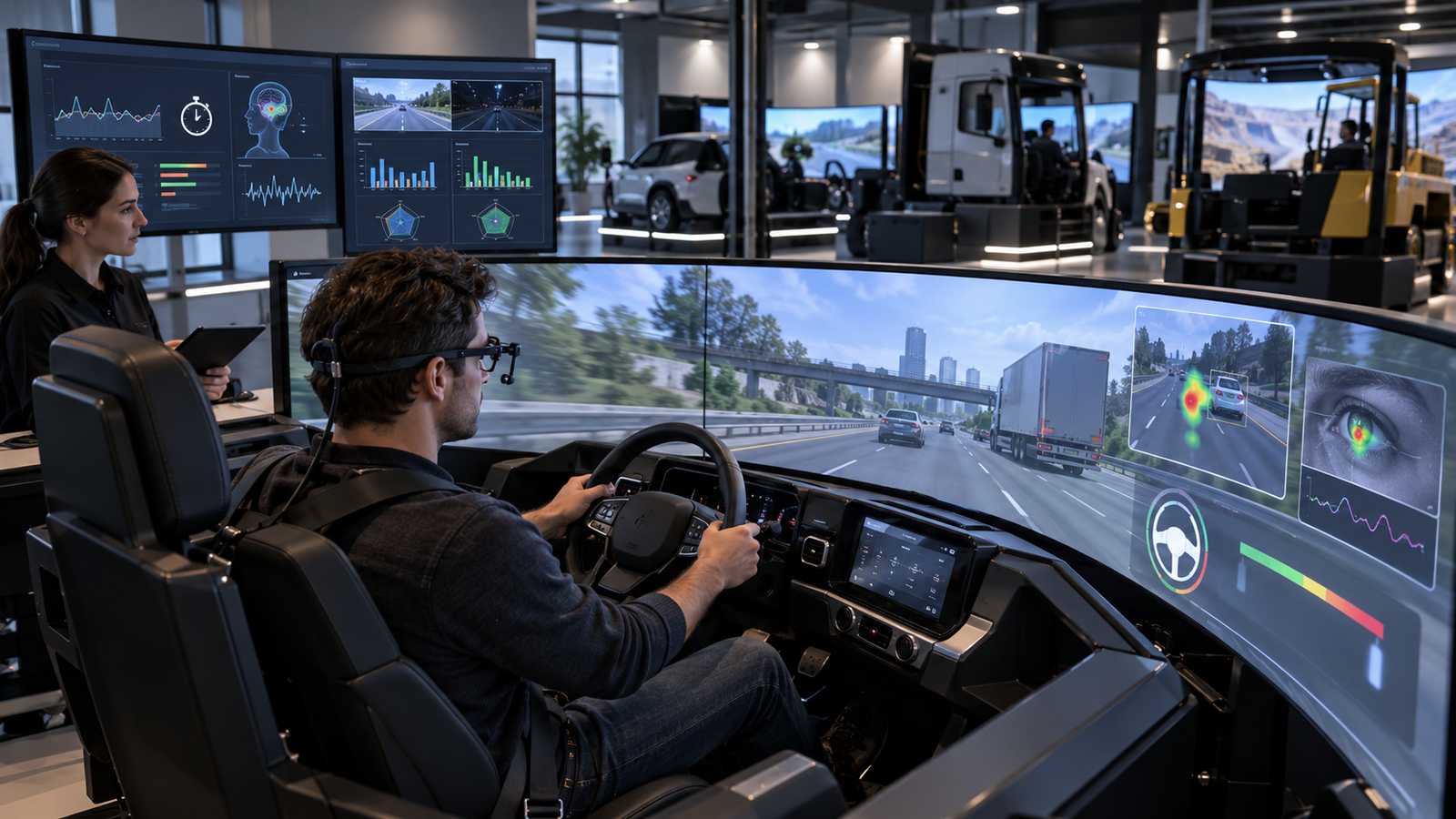 RS03
RS03Driver Training Cabin
Can we train and assess the driver safely before exposing them to the real operating environment?
09Military Industry11 studies+
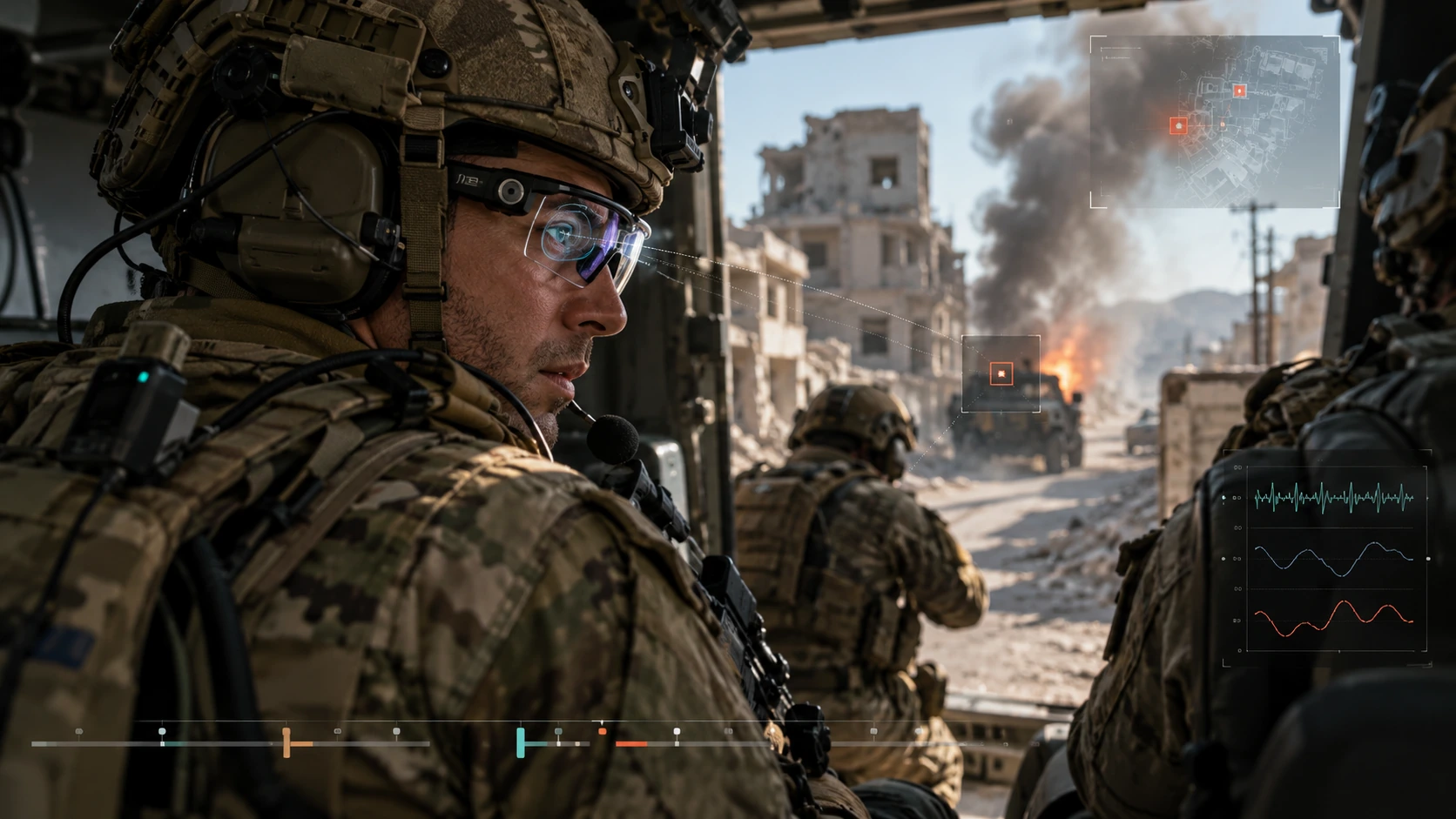 MI01
MI01Military Human Factors
How do attention, cognitive load, perception and decision-making affect performance during a military task?
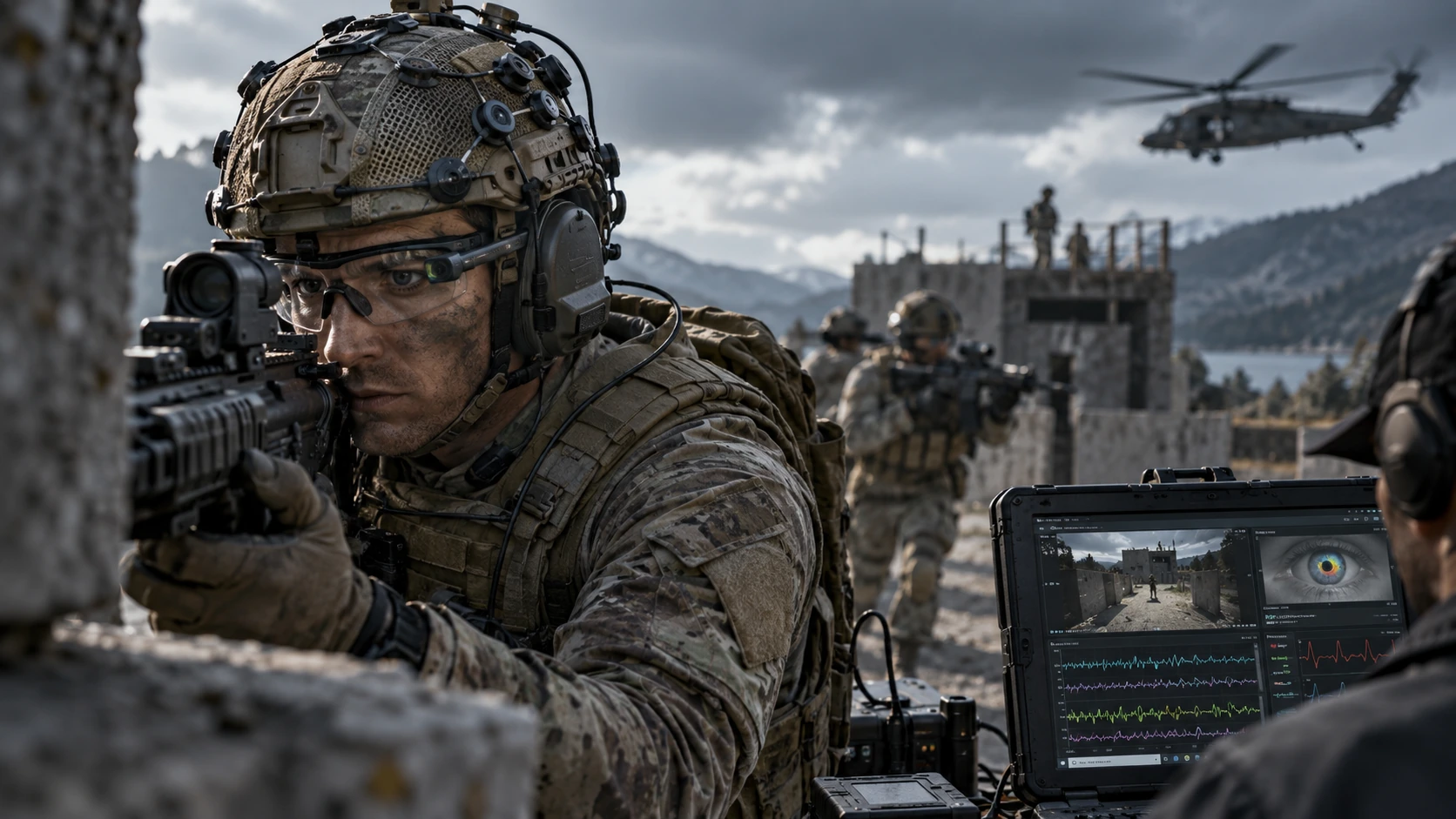 MI02
MI02Military Performance Assessment
How does this person perform when the military task becomes demanding, time-critical or high-pressure?
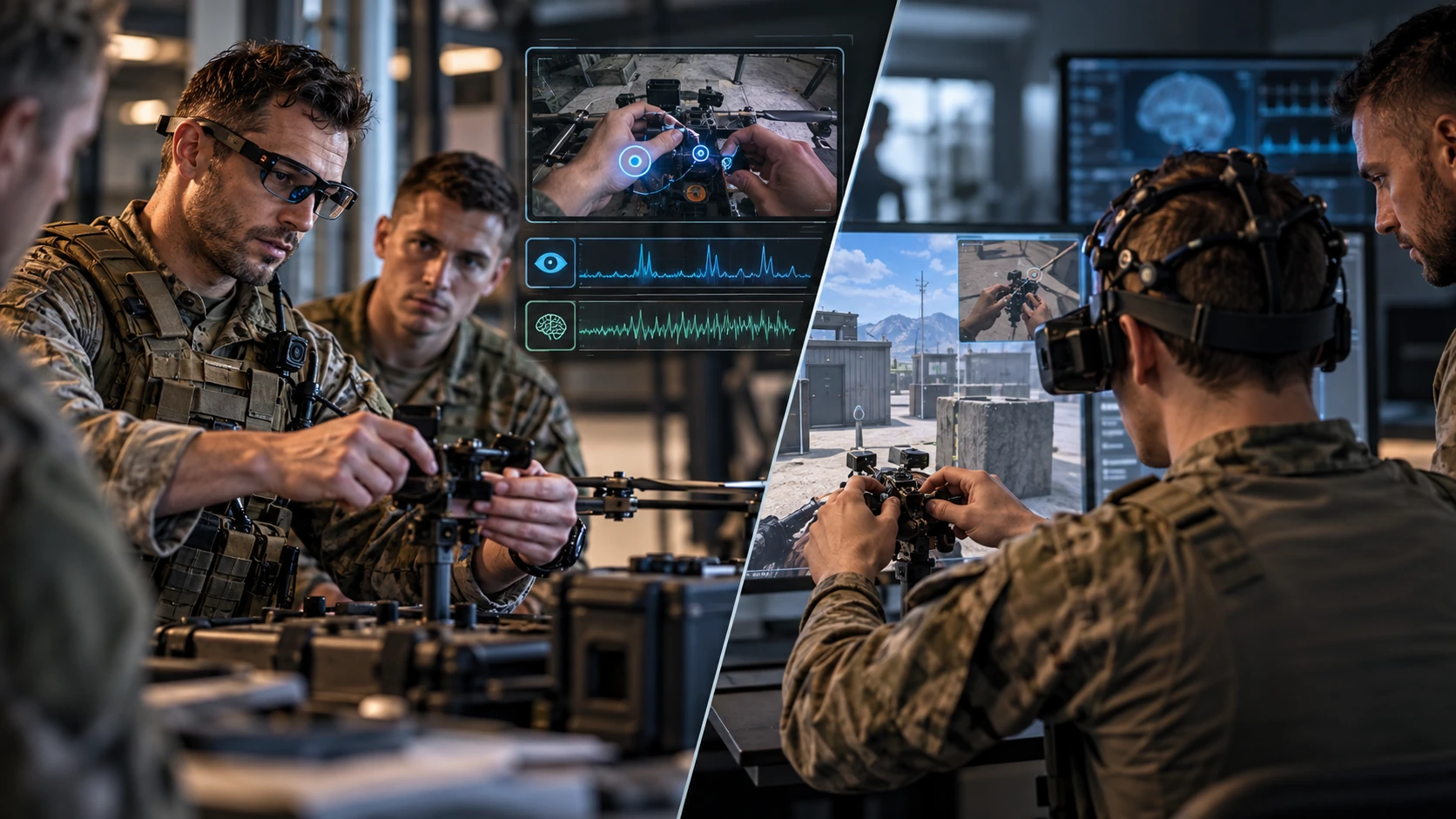 MI03
MI03Military Skills Transfer
Can the expertise of a military specialist be made visible and transferred to learners?
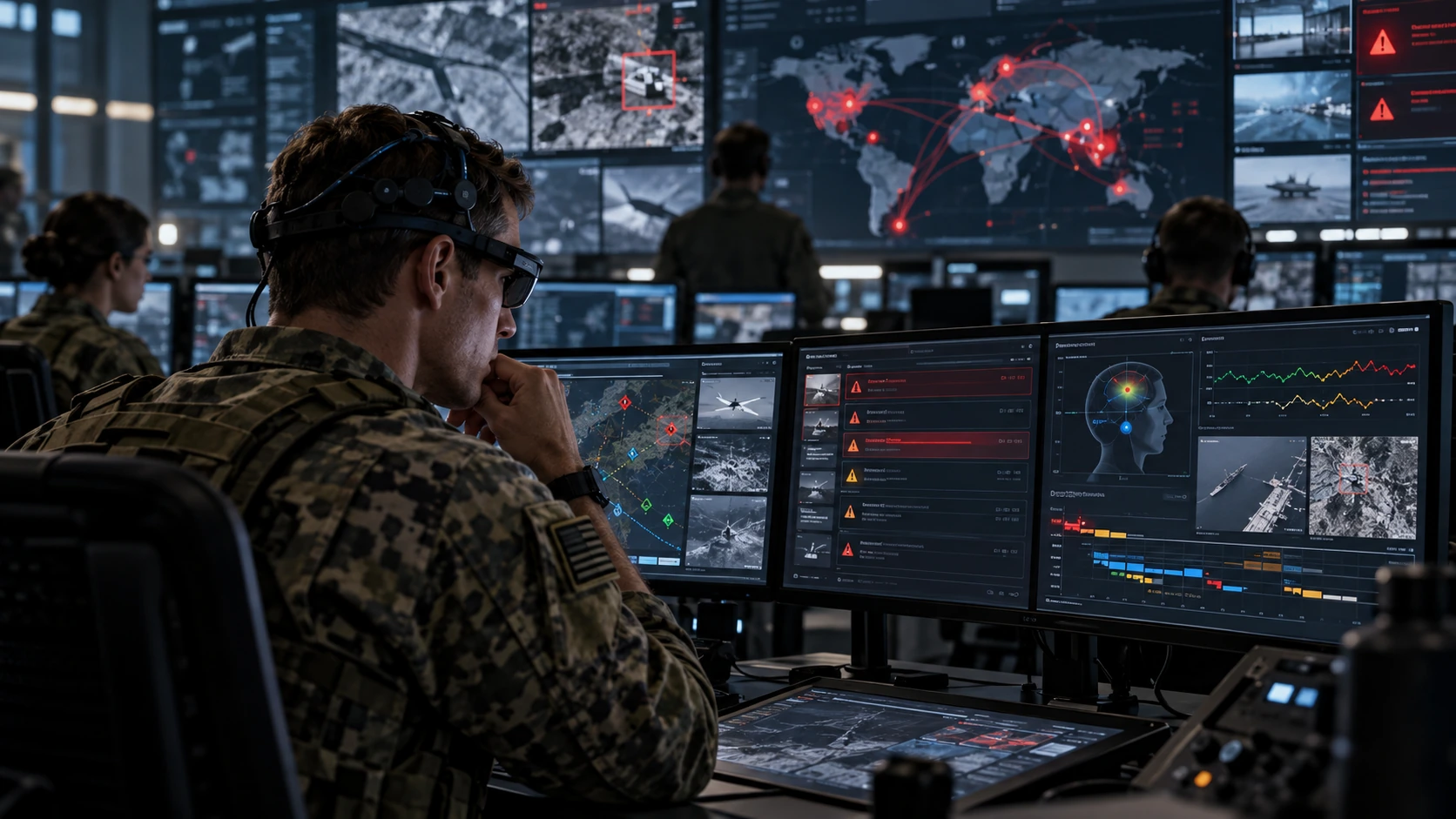 MI04
MI04Command & Control Attention Metrics
Does your command-and-control team see, prioritize and act on the information that matters before it is too late?
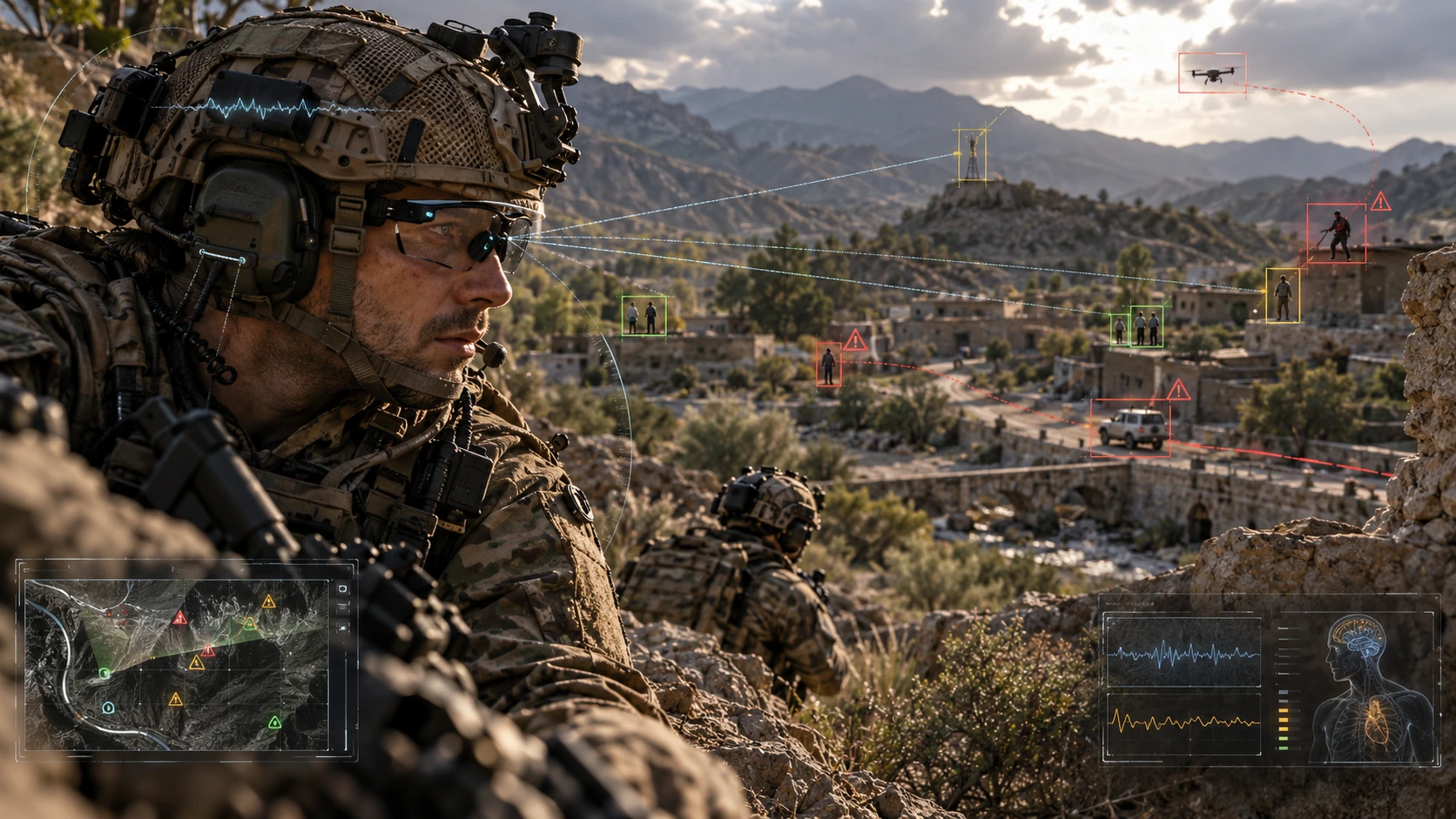 MI05
MI05Military Situational Awareness Metrics
Can personnel perceive, understand and anticipate what is happening as the operational situation changes?
 MI06
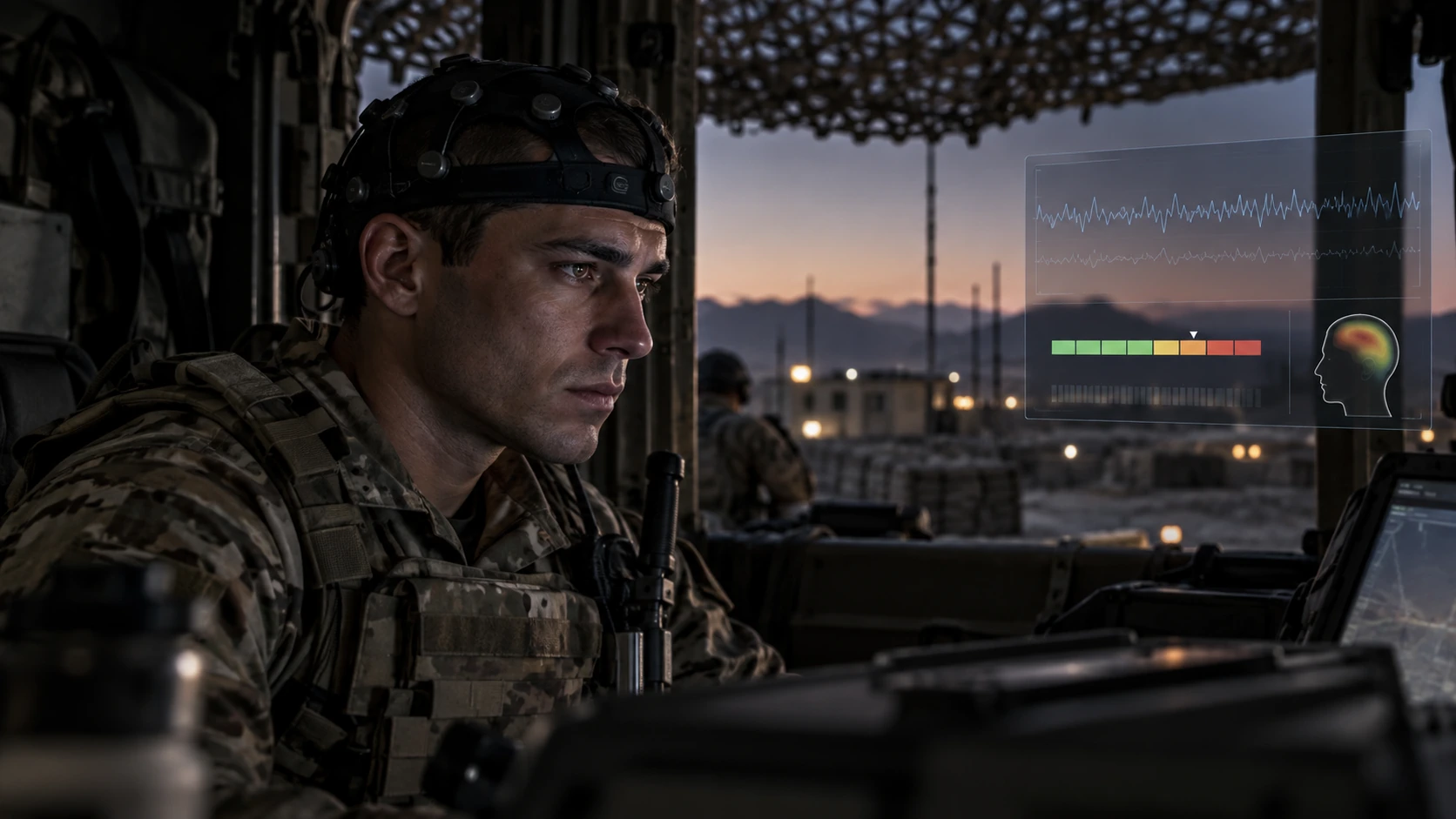
MI06Military Fatigue & Alertness Assessment
Is fatigue or drowsiness degrading operational alertness before the person reaches a critical failure point?
 MI07
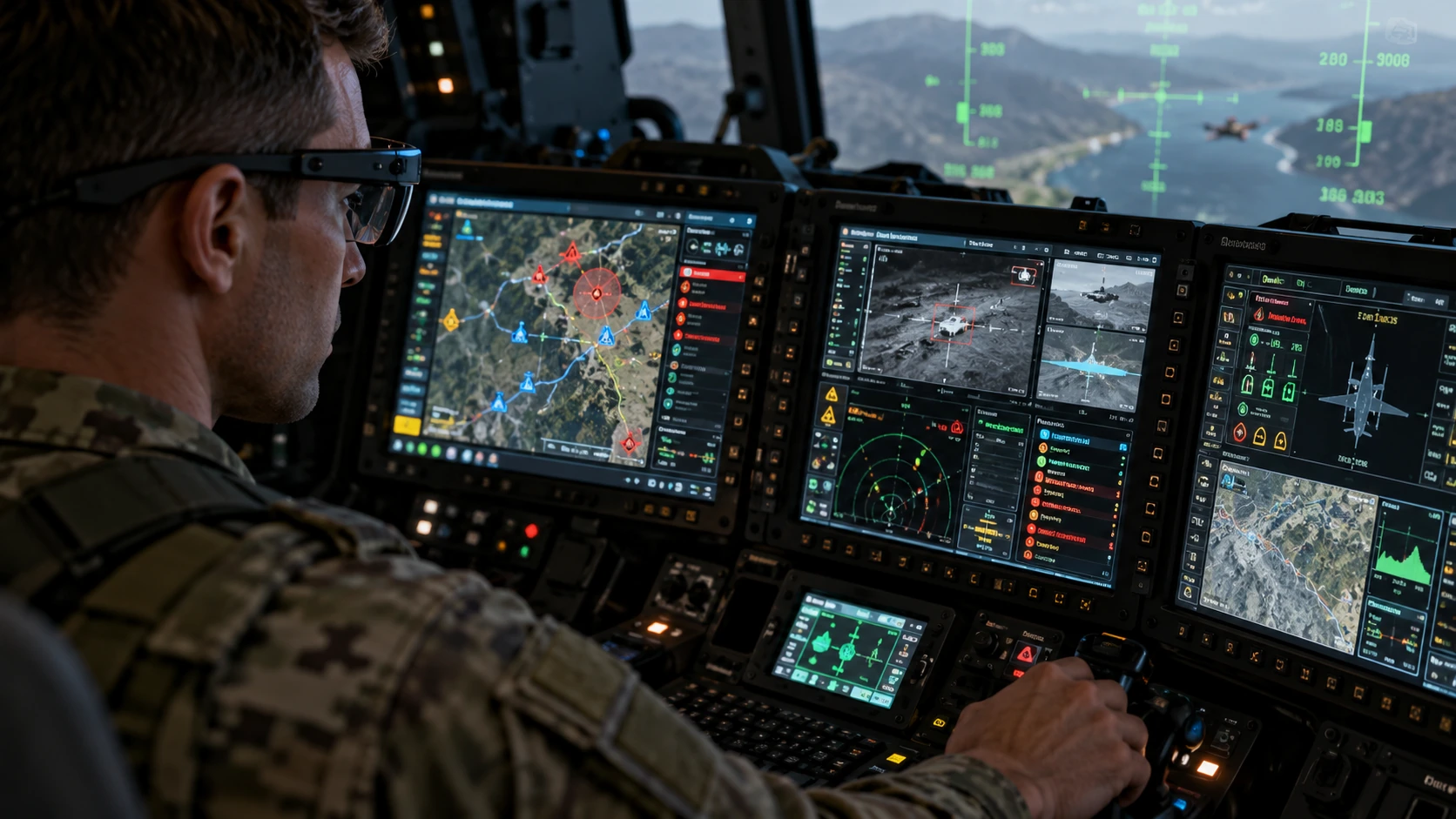
MI07Military Interface & Display Assessment
Does the military interface make critical information easy to see, understand and prioritize under pressure?
 MI09
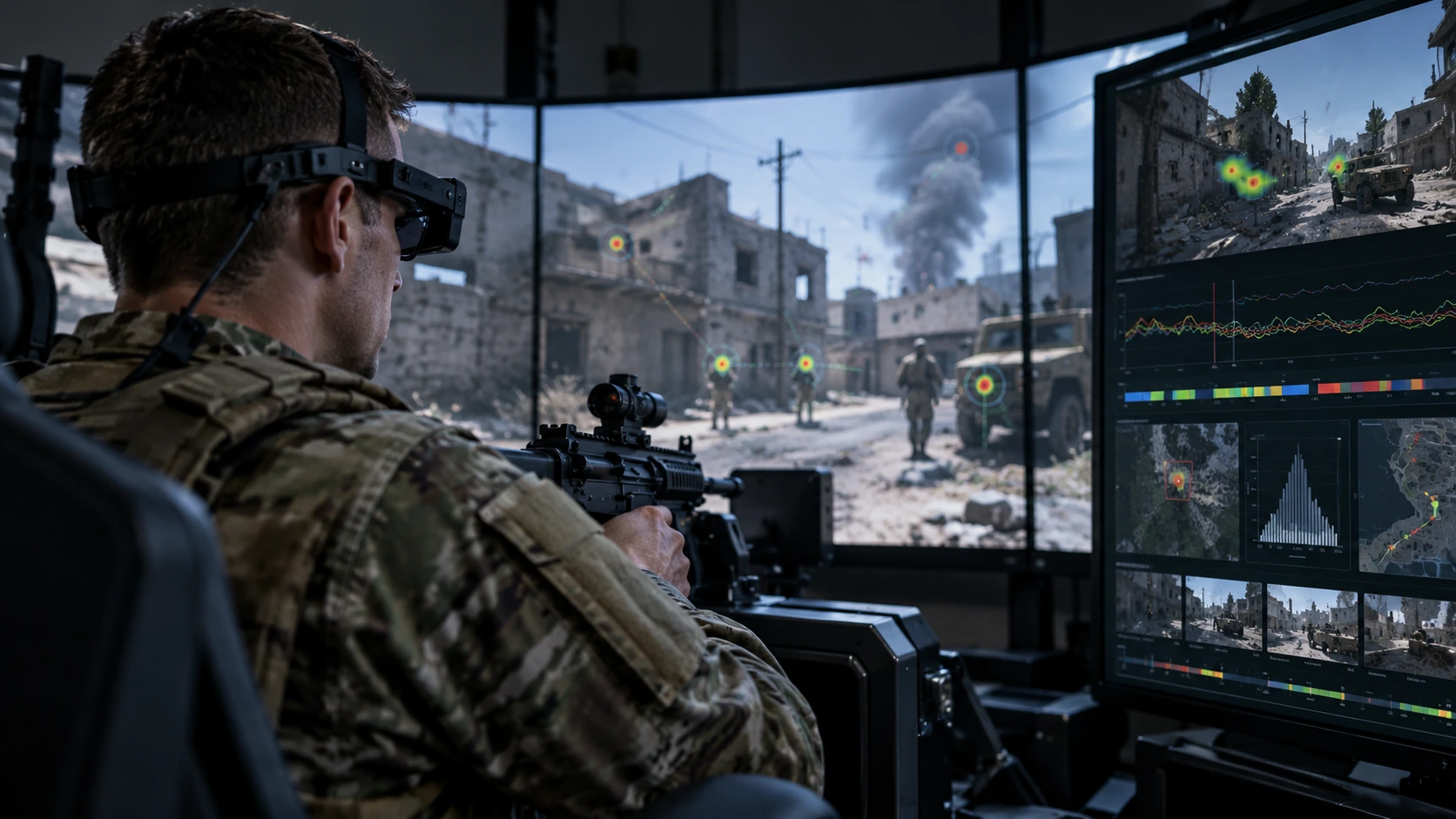
MI09Simulation & VR Training Assessment
Is the simulator or VR training experience actually producing effective military task performance?
 MI12
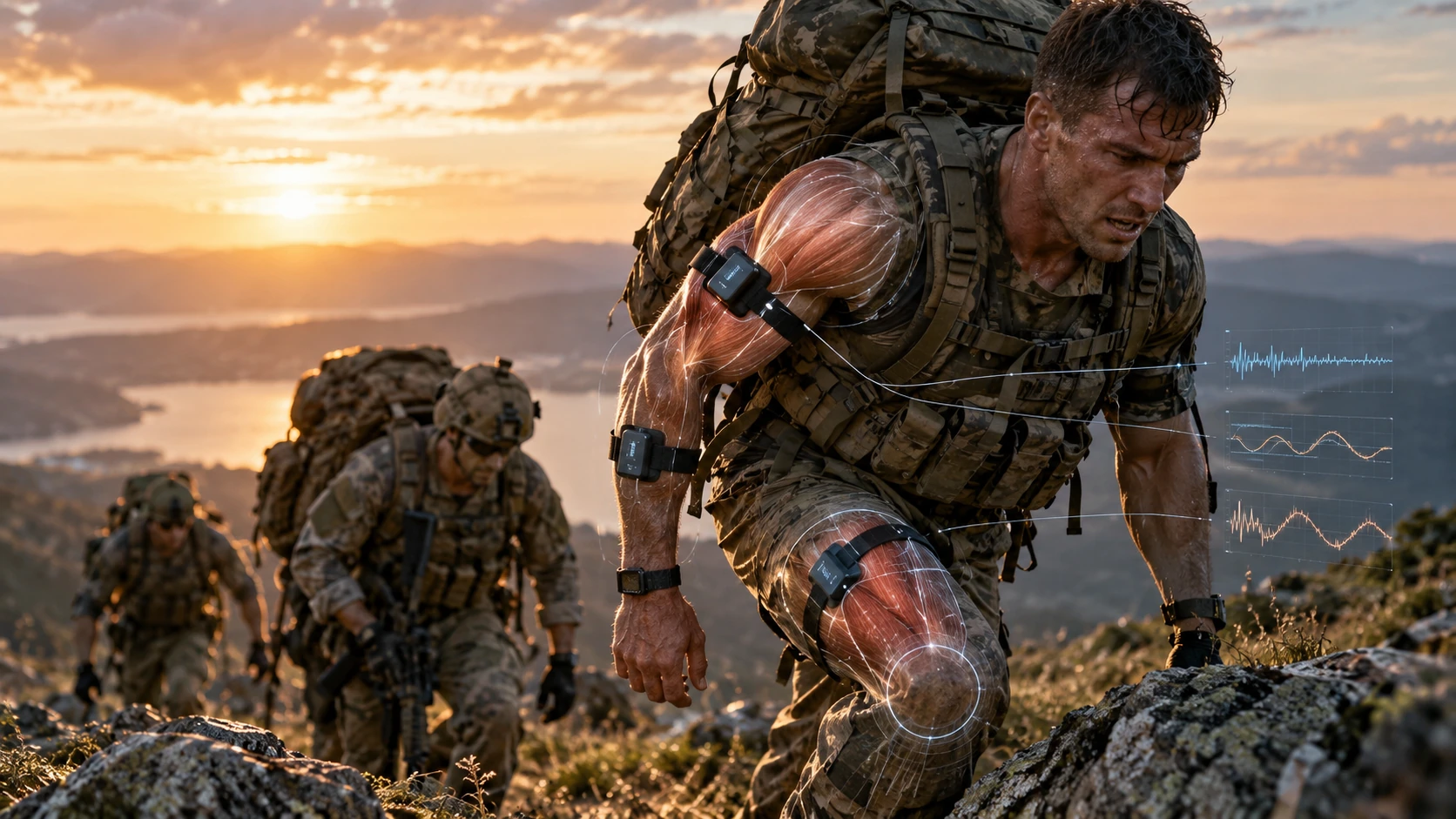
MI12Military ErgoMetrics
Is military equipment, load carriage or task technique creating avoidable biomechanical strain or muscular fatigue?
 MI15
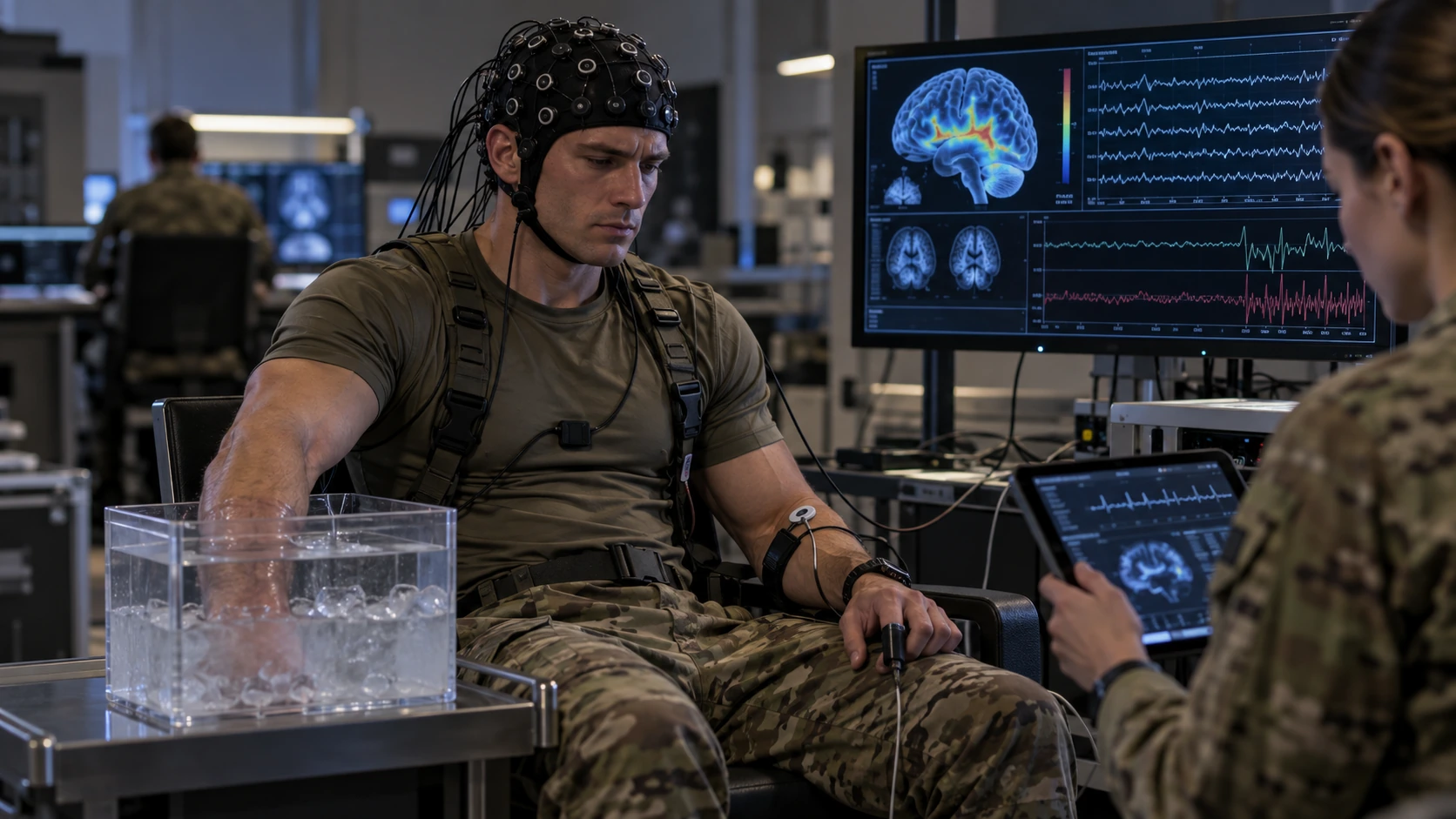
MI15Military Pain Studies
What are the pain threshold, pain tolerance and neurophysiological response profile of military personnel before high-demand deployment?
 MI16
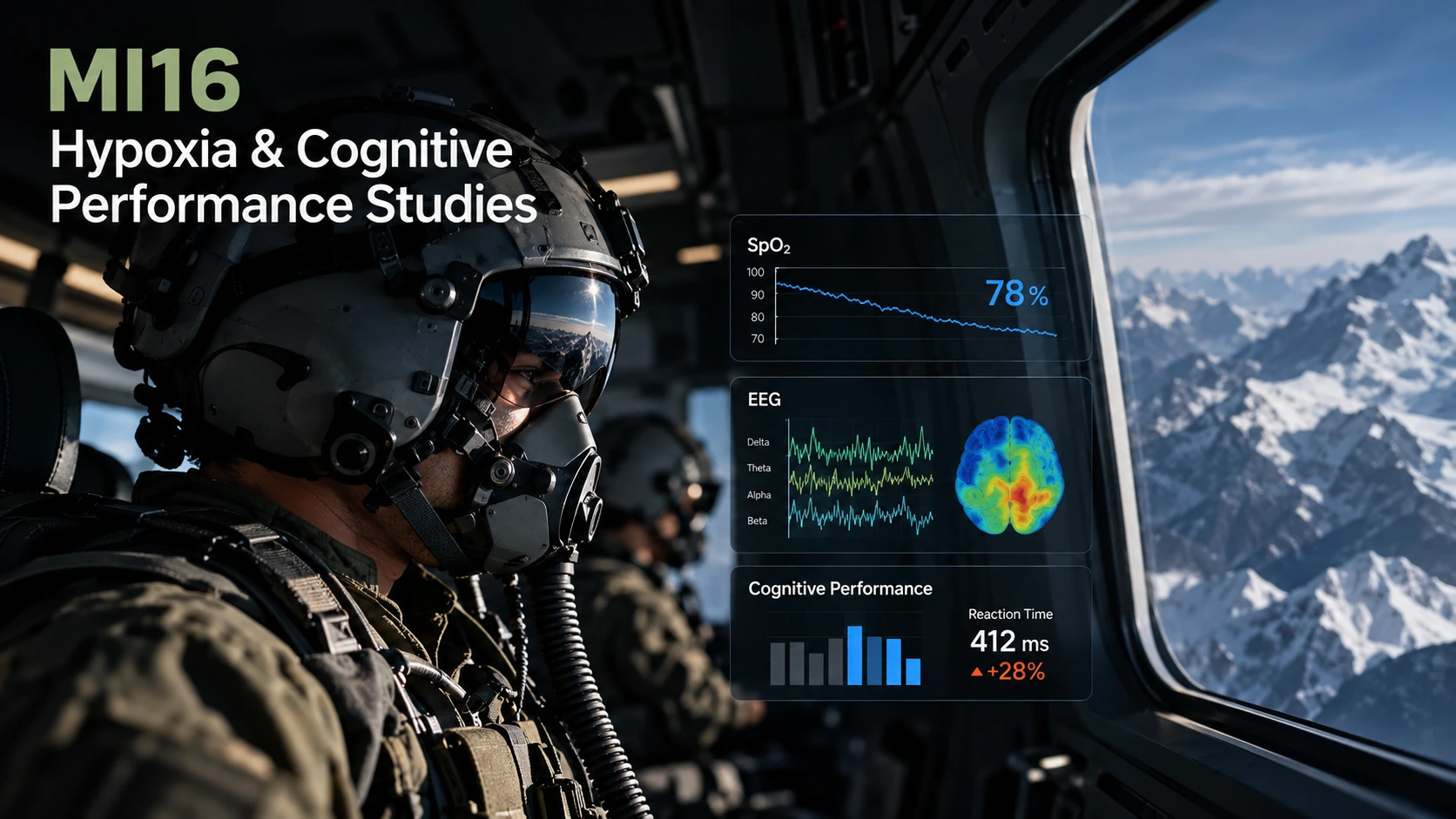
MI16Hypoxia & Cognitive Performance Studies
Can early neurophysiological deterioration from hypoxia be detected before operational performance becomes critically impaired?
10Education6 studies+
 ED01
ED01Reading Comprehension Assessment
How deeply does the student understand what they read, how much cognitive effort does it require, and how efficiently do they move through the text?
 ED02
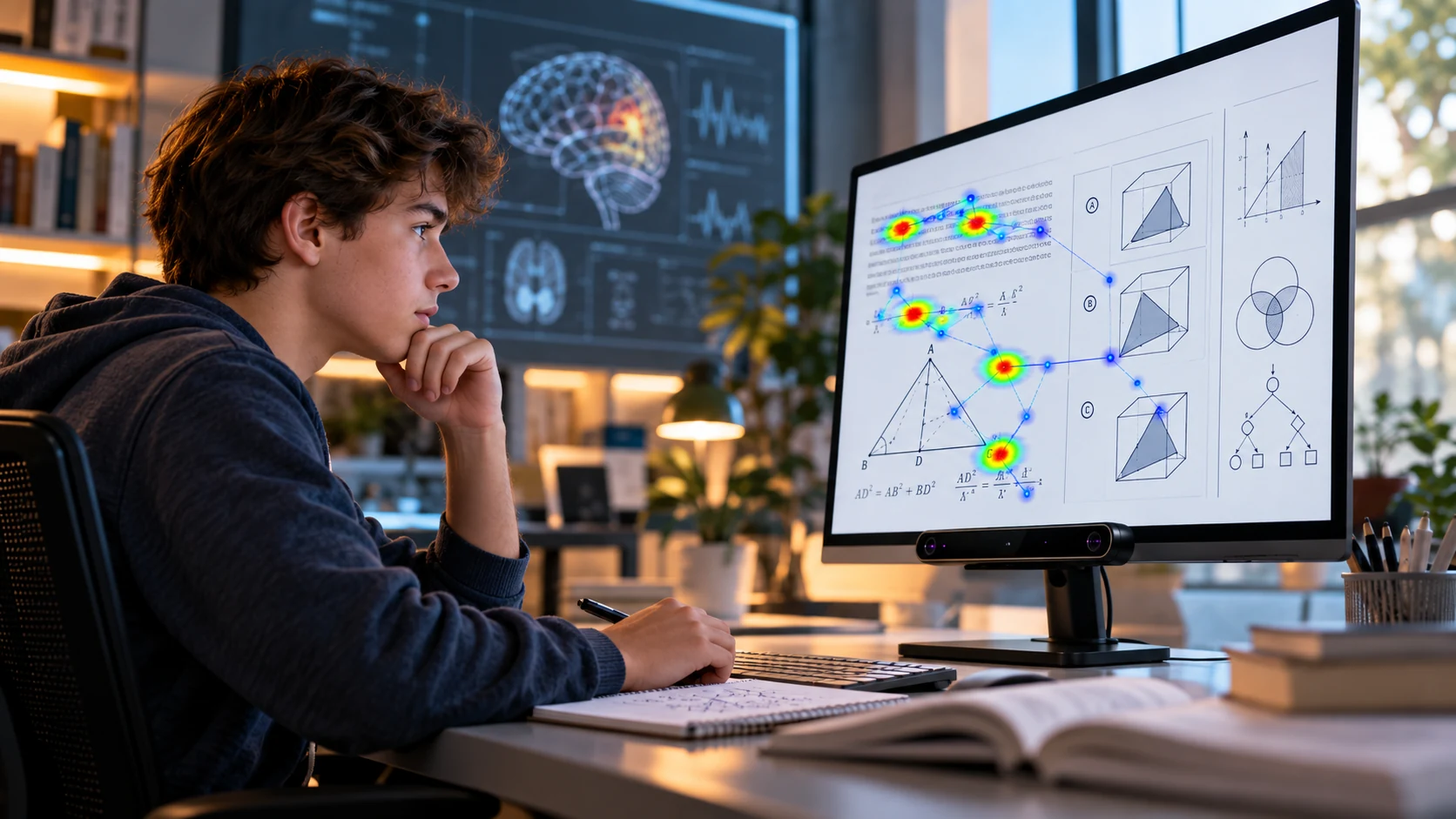
ED02Problem Solving & Decision Making
How does the student actually solve the problem, and what visual and cognitive strategy leads to the final decision?
 ED03
ED03Cognitive Load, Encoding & Retention Assessment
How much cognitive effort does the learning material demand, and does that processing pattern support efficient encoding and retention potential?
 ED04
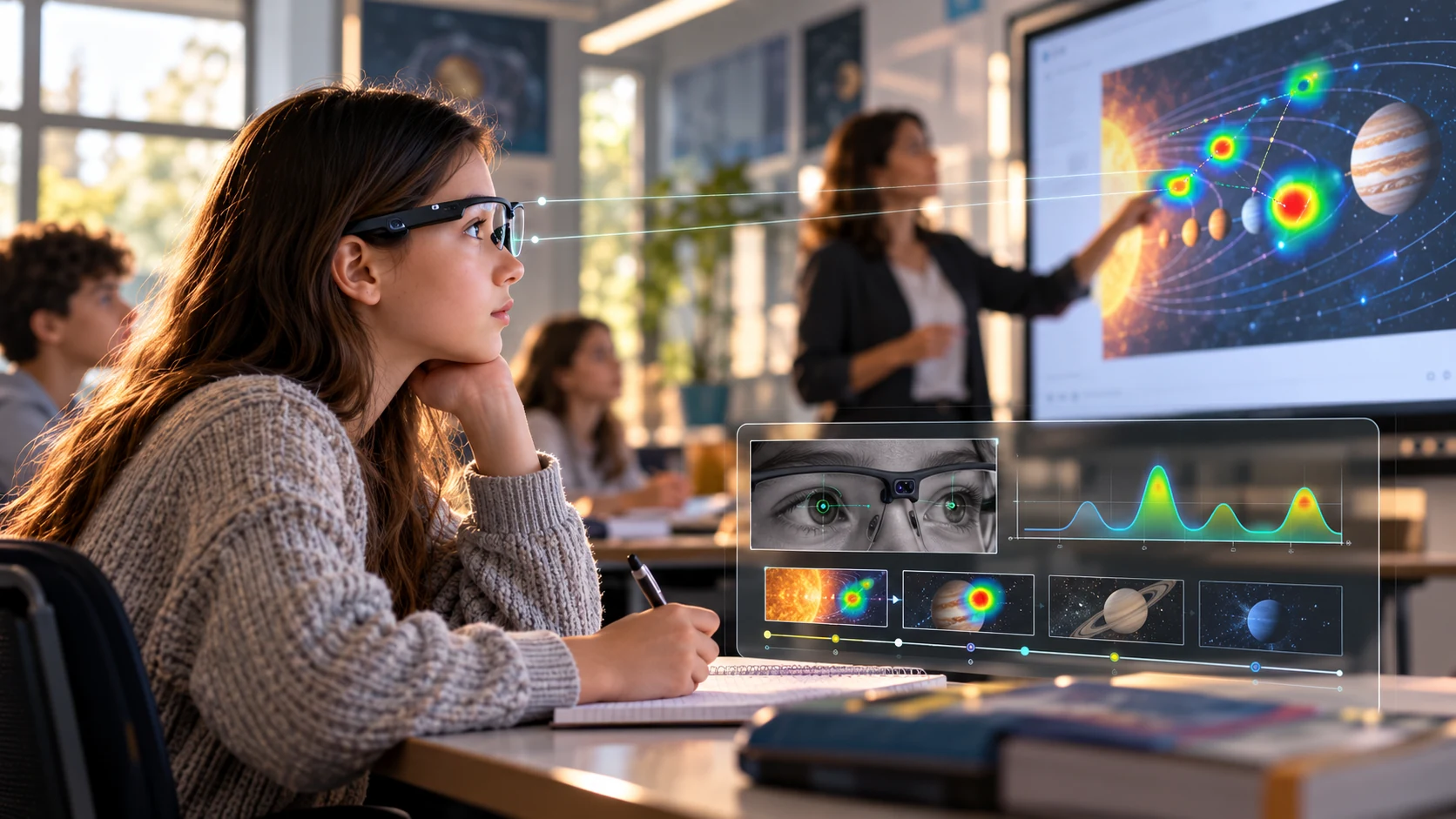
ED04Learning Attention Assessment
Where does the learner direct attention, how long can it be sustained, and at what moments does attention begin to break down?
 ED05
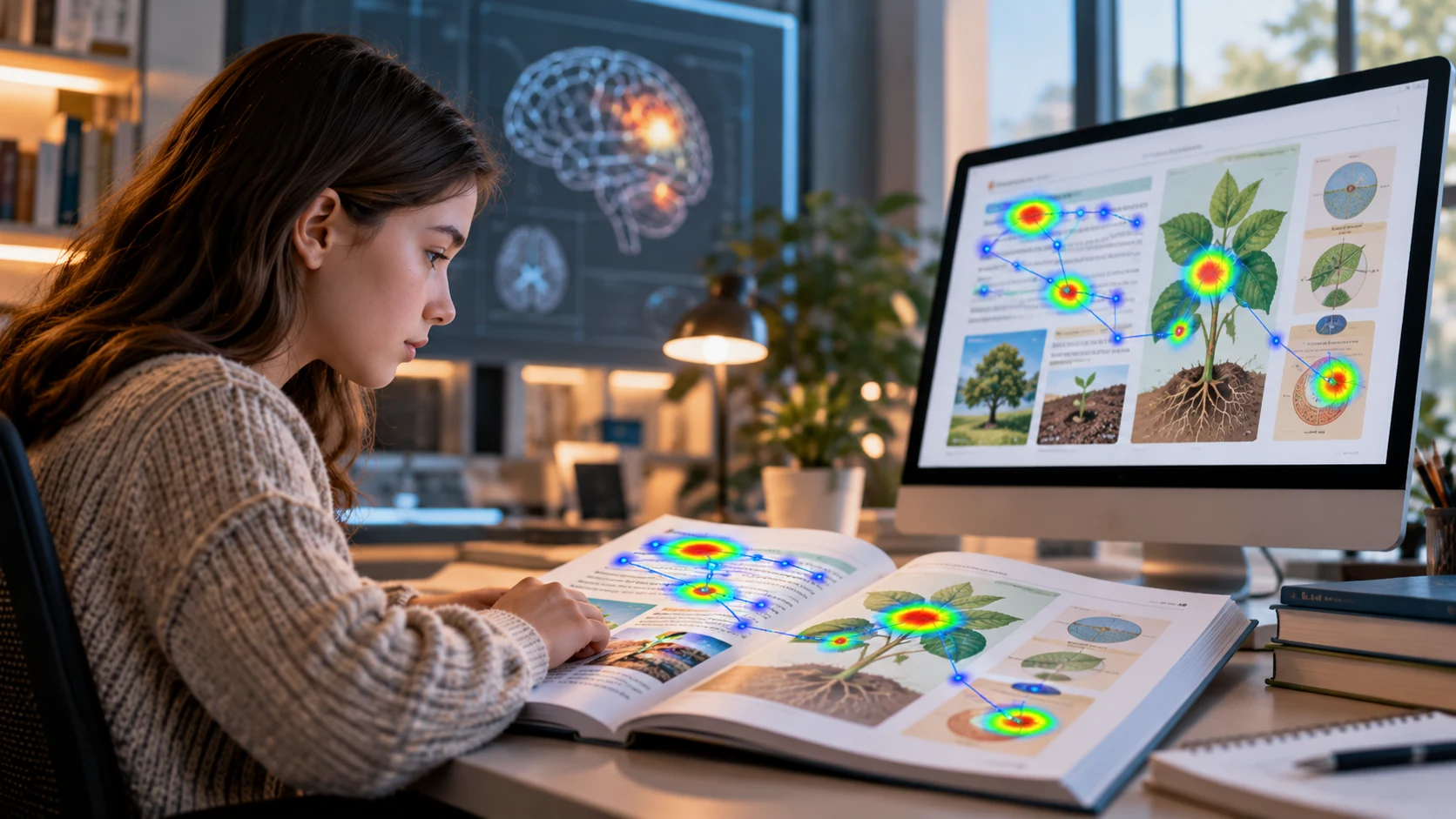
ED05Textbook & Educational Materials Assessment
Does the design of the textbook or educational material actually help learners find, read and understand the information that matters?
 ED12
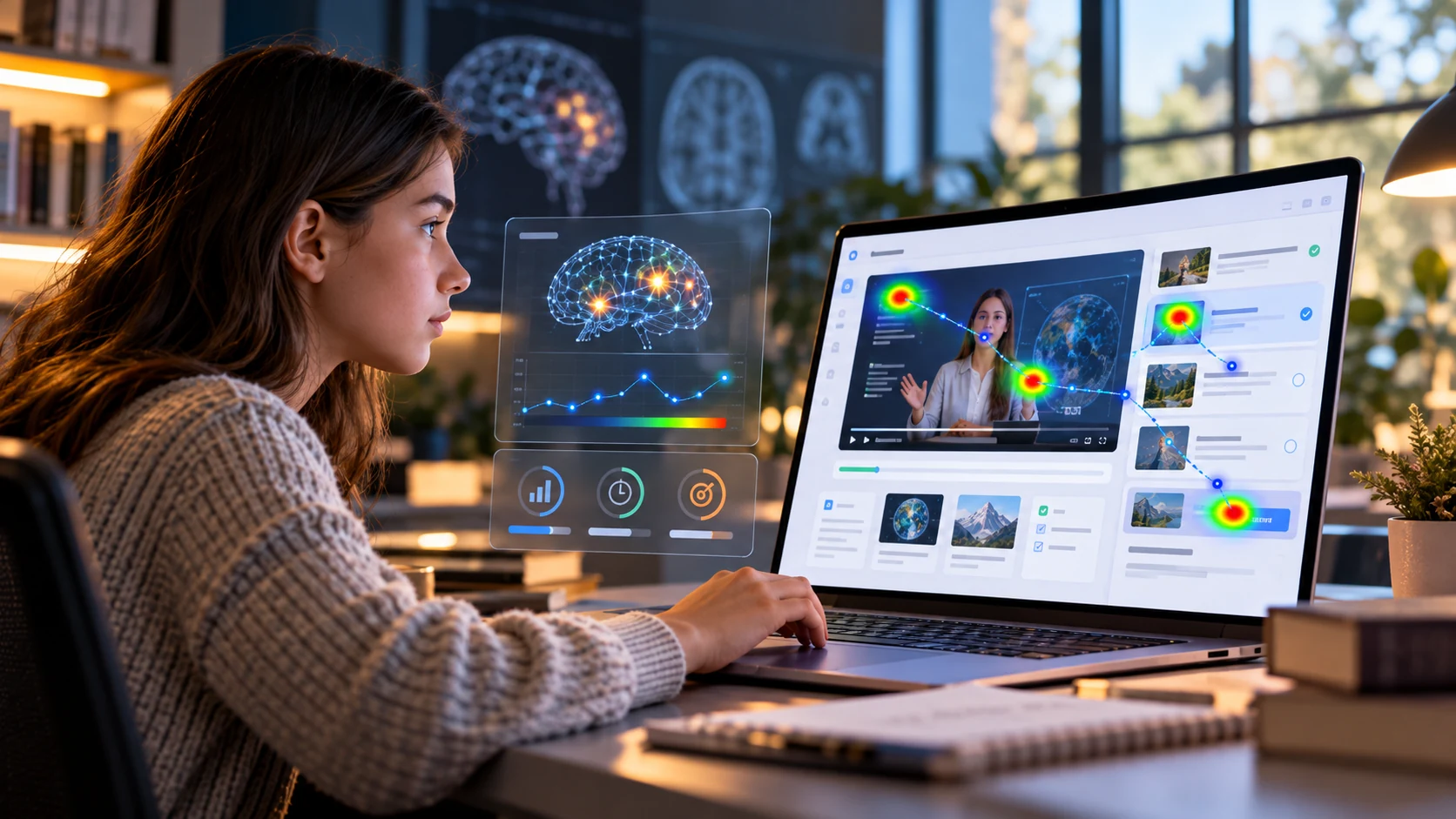
ED12E-learning UX & Learning Effectiveness
Does the e-learning experience make it easy to navigate, focus on the right content and learn effectively?
11Health55 studies+
 H01
H01Alzheimer Assessment, Monitoring & Cognitive Support
How are visual attention, oculomotor control and cognitive-neurophysiological function changing in this person over time?
 H02
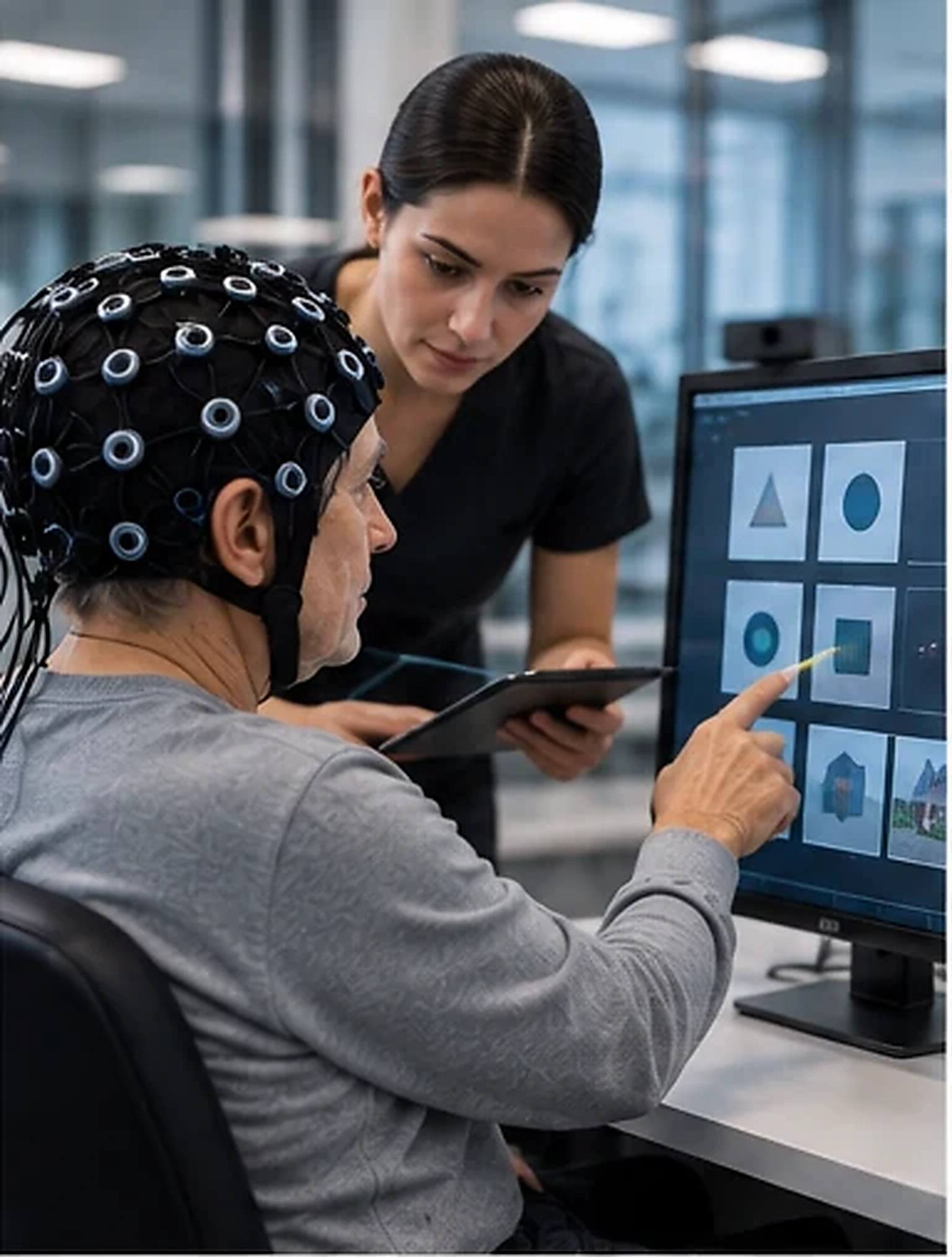
H02MCI Assessment, Monitoring & Cognitive Rehabilitation
Which attention, executive and visual-cognitive functions are changing in mild cognitive impairment, and how do they respond to rehabilitation?
 H03
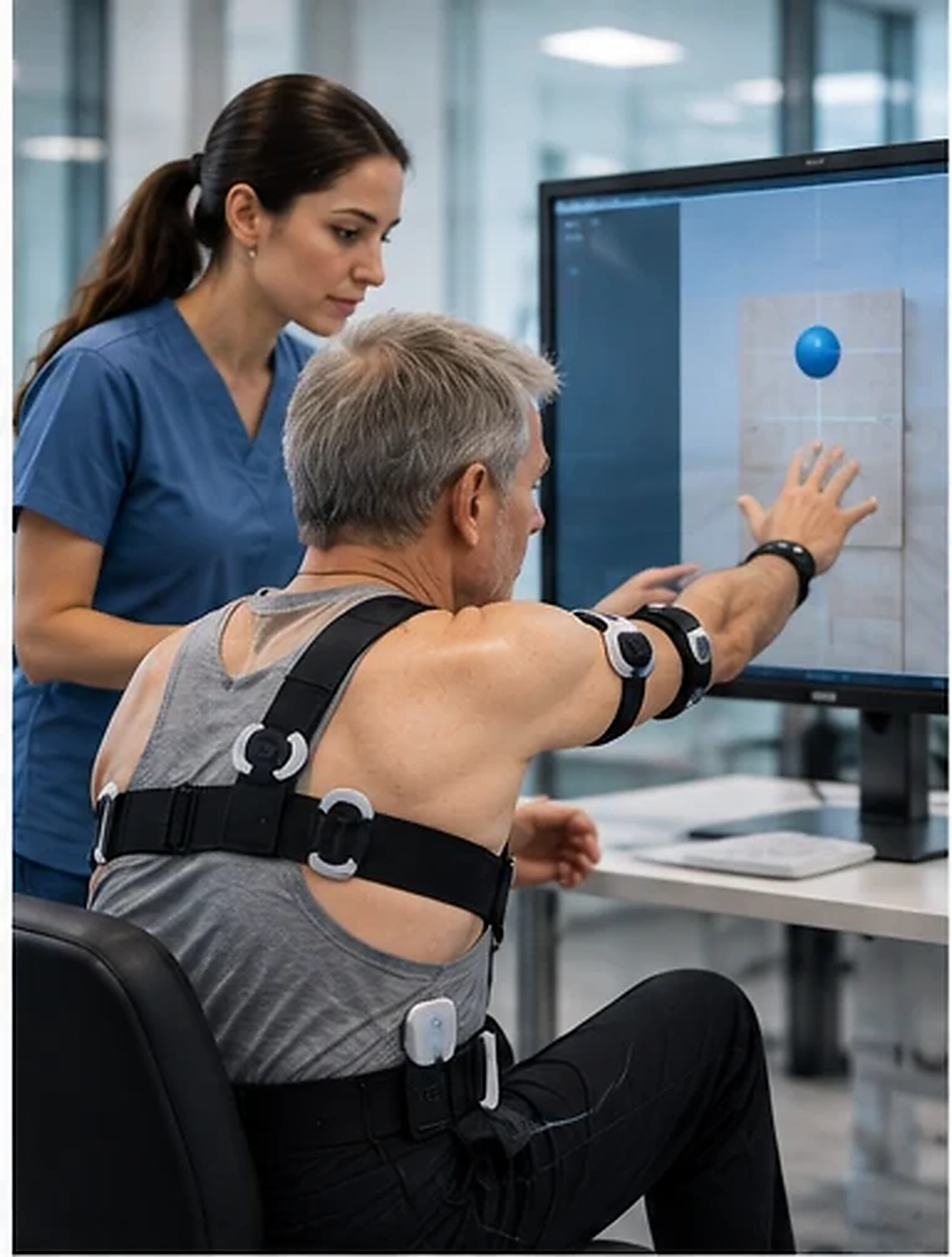
H03Stroke Assessment & Neurorehabilitation
Which motor, mobility, communication or visual-attention functions are impaired after stroke, and how are they recovering?
 H04
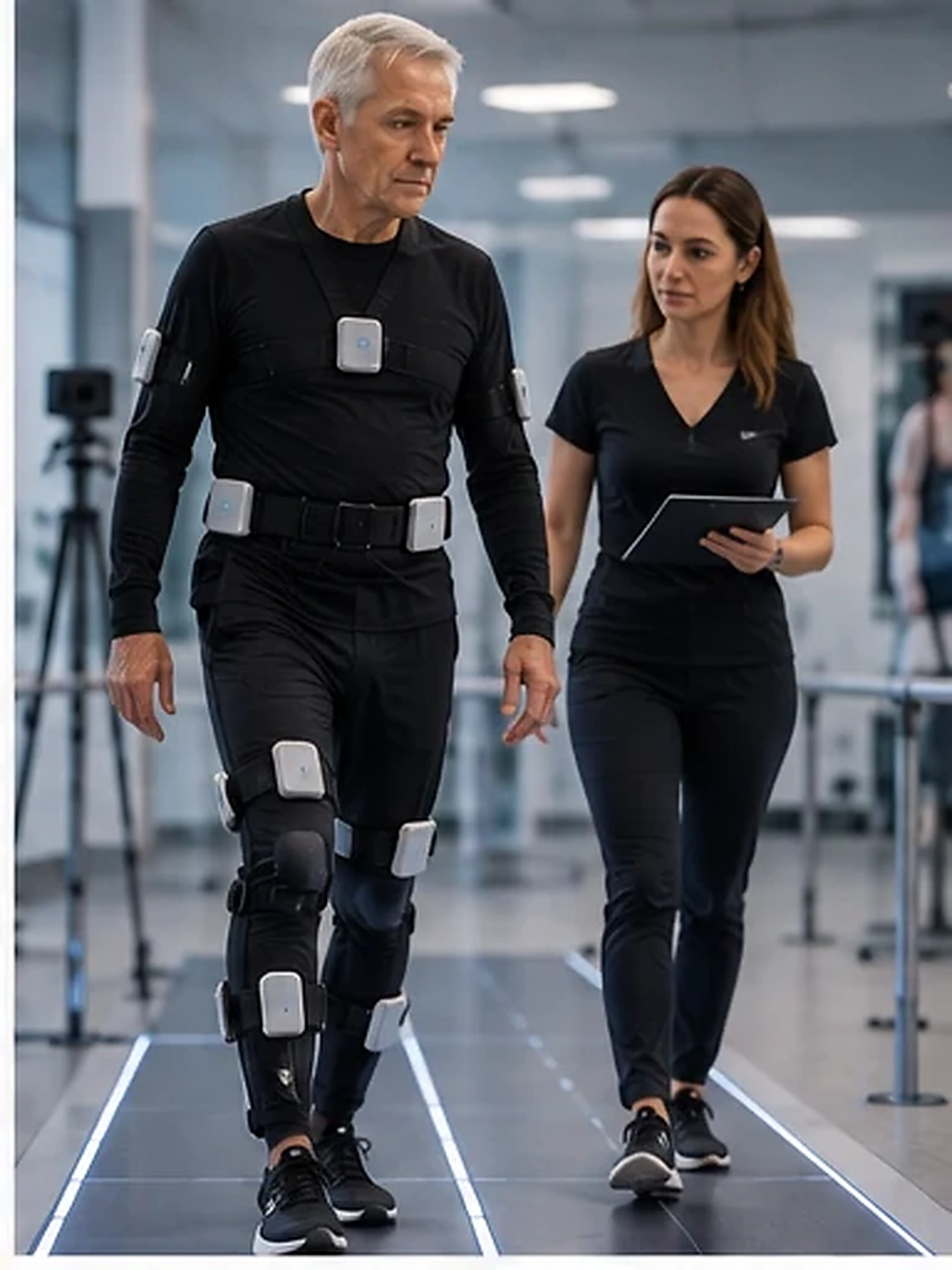
H04Parkinson Assessment, Monitoring & Rehabilitation
How is Parkinson’s disease affecting gait, balance, movement and dual-task function, and how are these measures changing with rehabilitation?
 H05
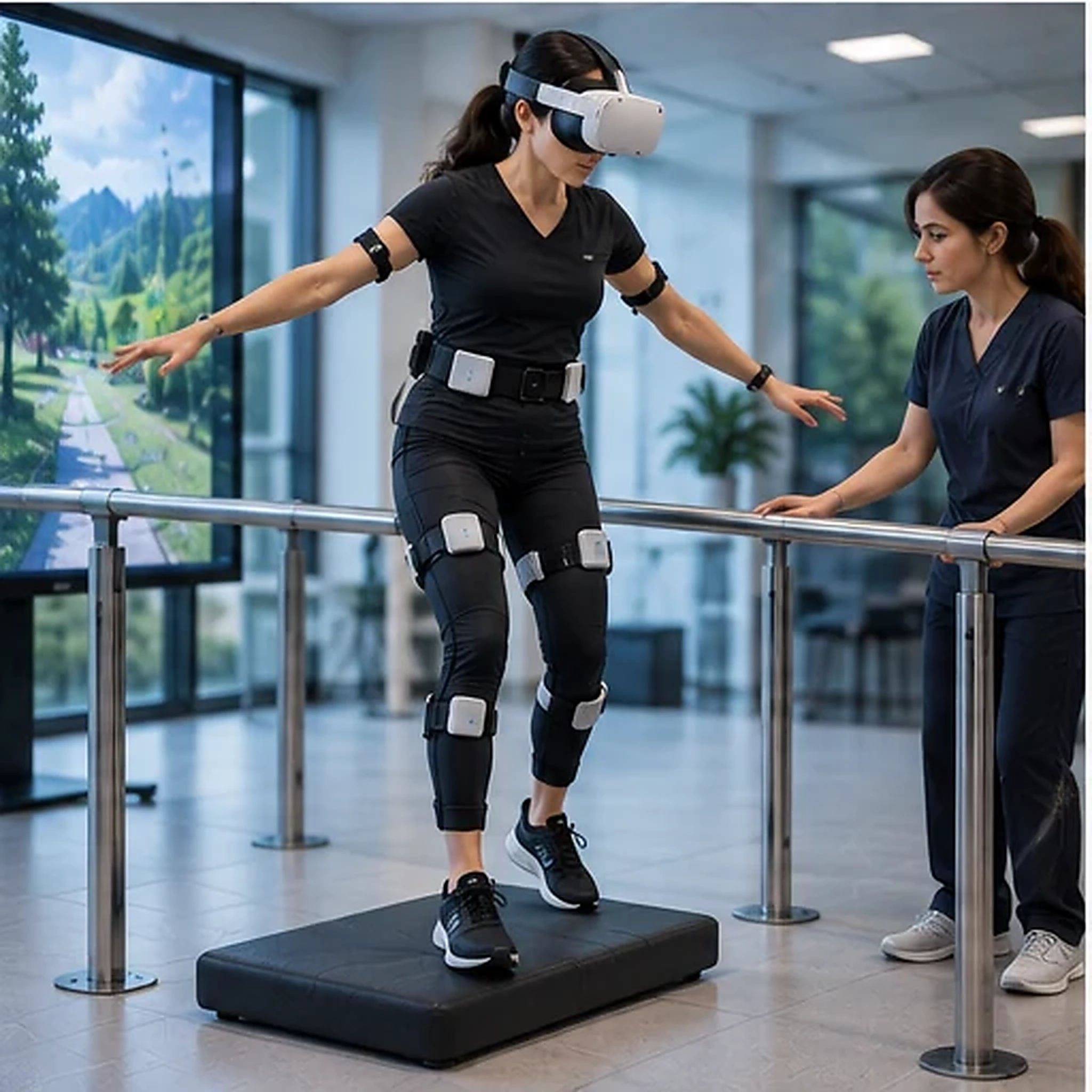
H05Multiple Sclerosis Assessment, Monitoring & Rehabilitation
How is multiple sclerosis affecting mobility, balance and motor function, and how are those functions changing over time?
 H06
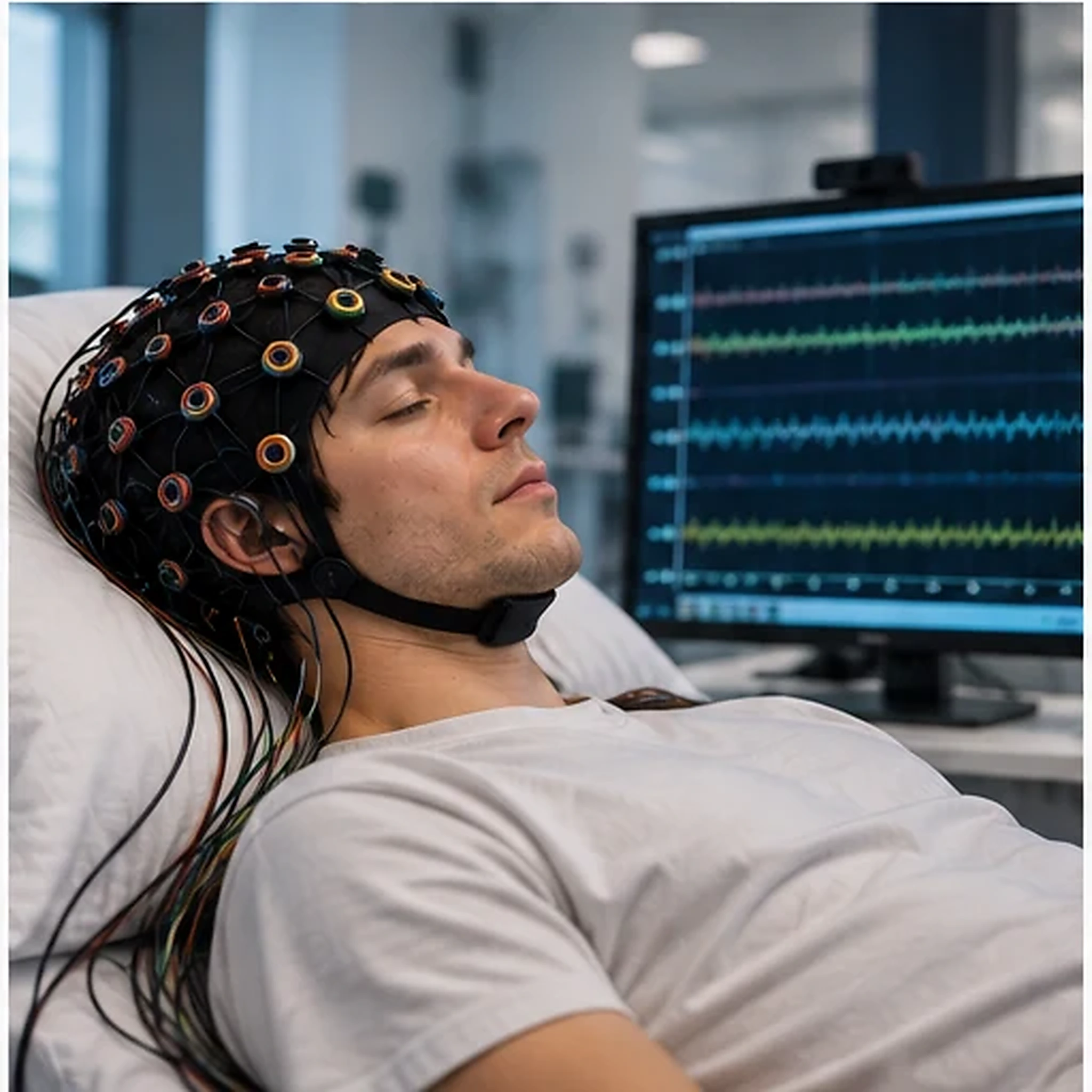
H06Epilepsy Complementary Neurophysiological Assessment
What EEG activity is present during the protocol, and how does it support the neurologist’s clinical interpretation?
 H07
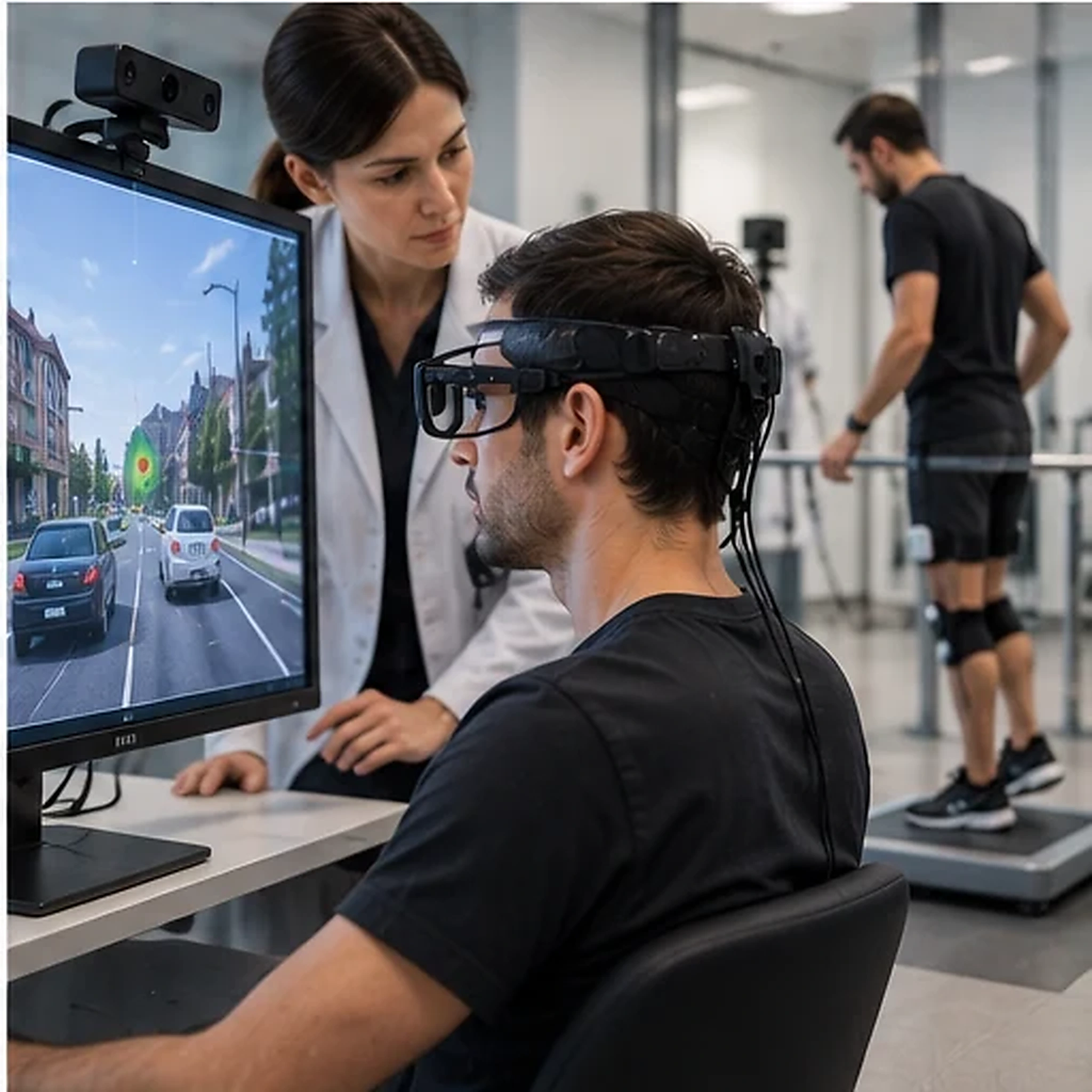
H07Traumatic Brain Injury Assessment & Rehabilitation
Which cognitive, oculomotor, balance and mobility functions are affected after traumatic brain injury, and how are they recovering?
 H08
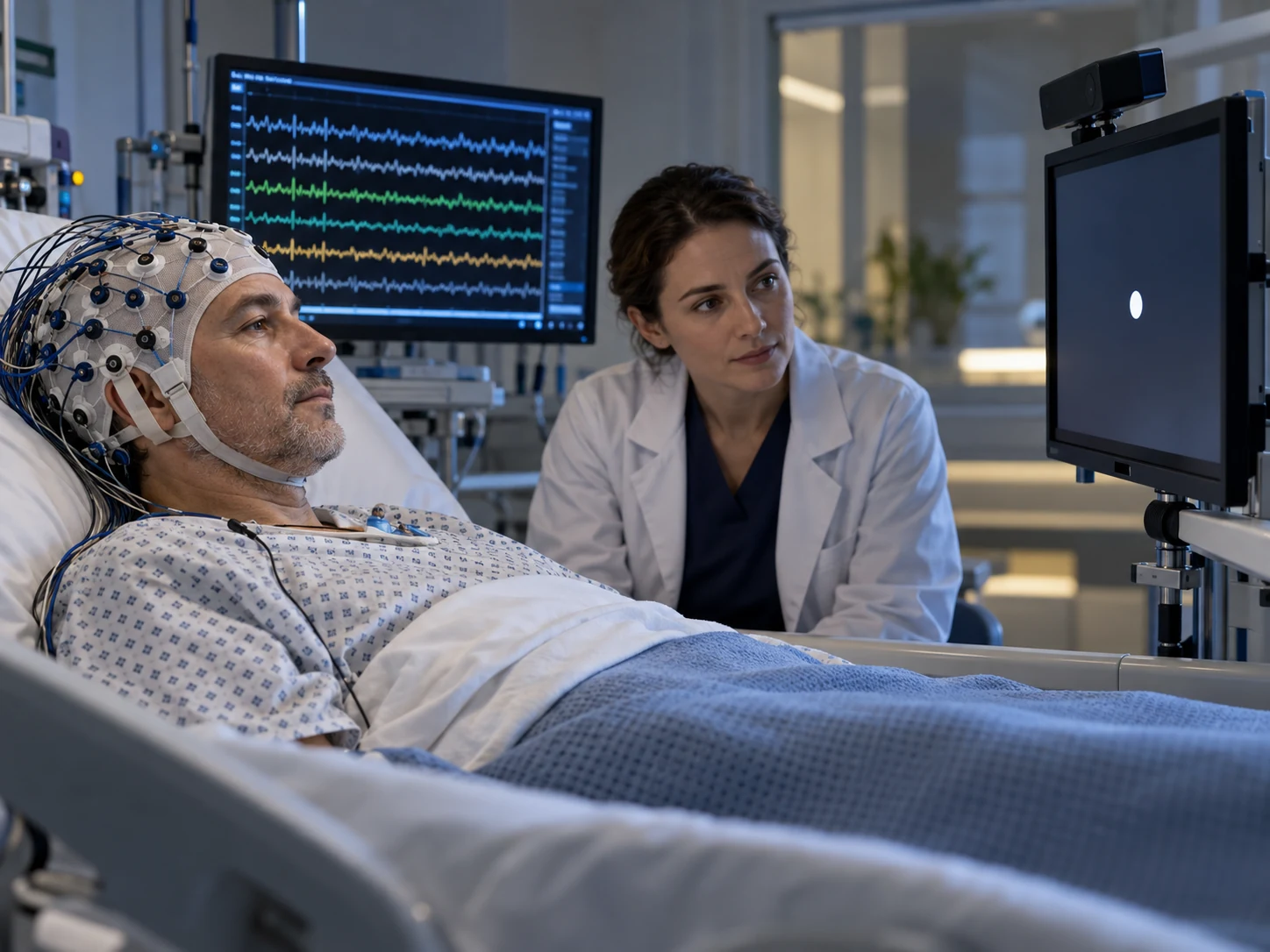
H08Disorders of Consciousness Assessment
Are there reproducible neurophysiological or eye-movement responses that add objective evidence to the clinical assessment of consciousness?
 H09
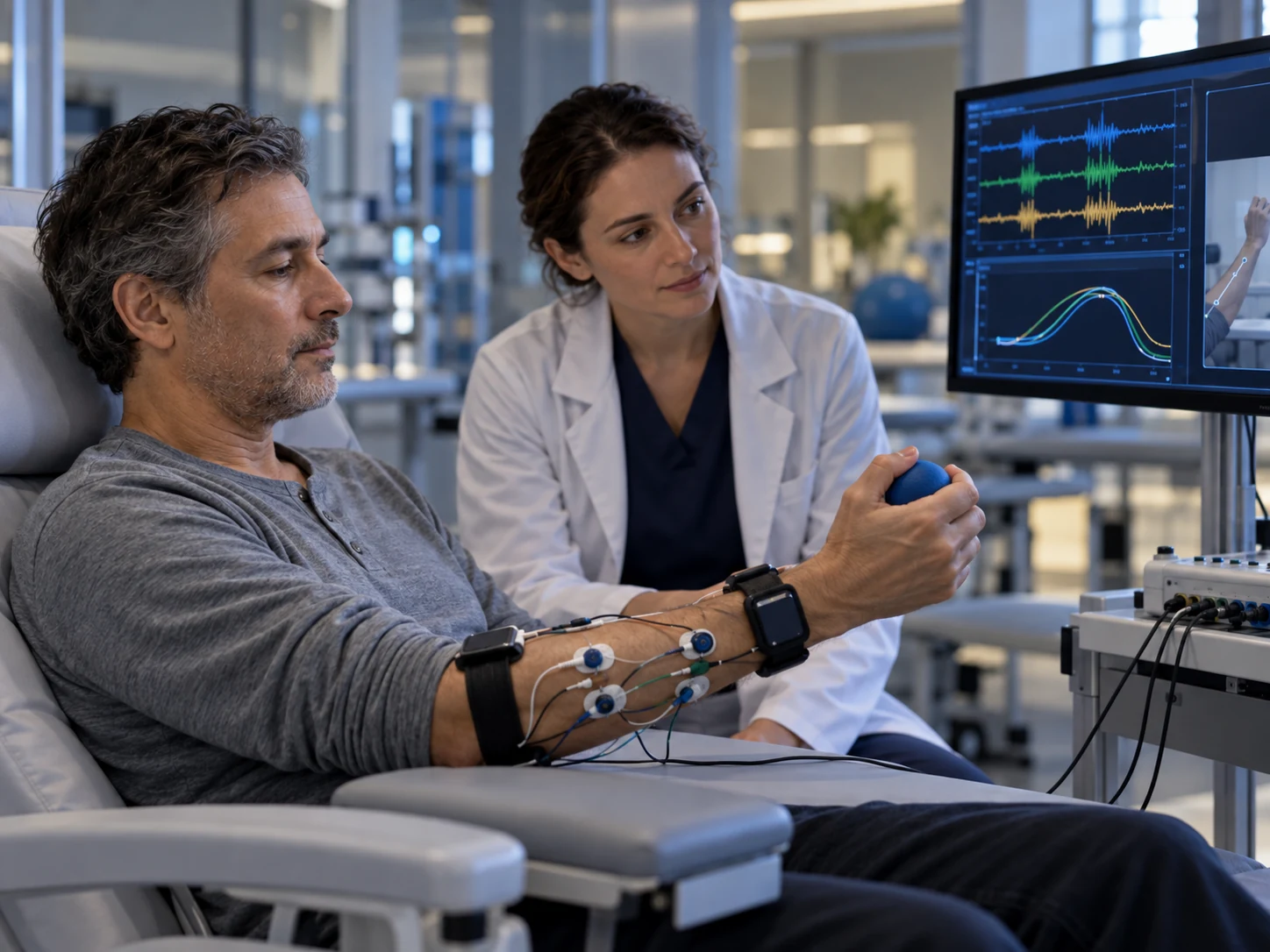
H09ALS Neuromuscular Assessment & Monitoring
How are muscle activation and functional movement changing over time in a person with ALS?
 H10
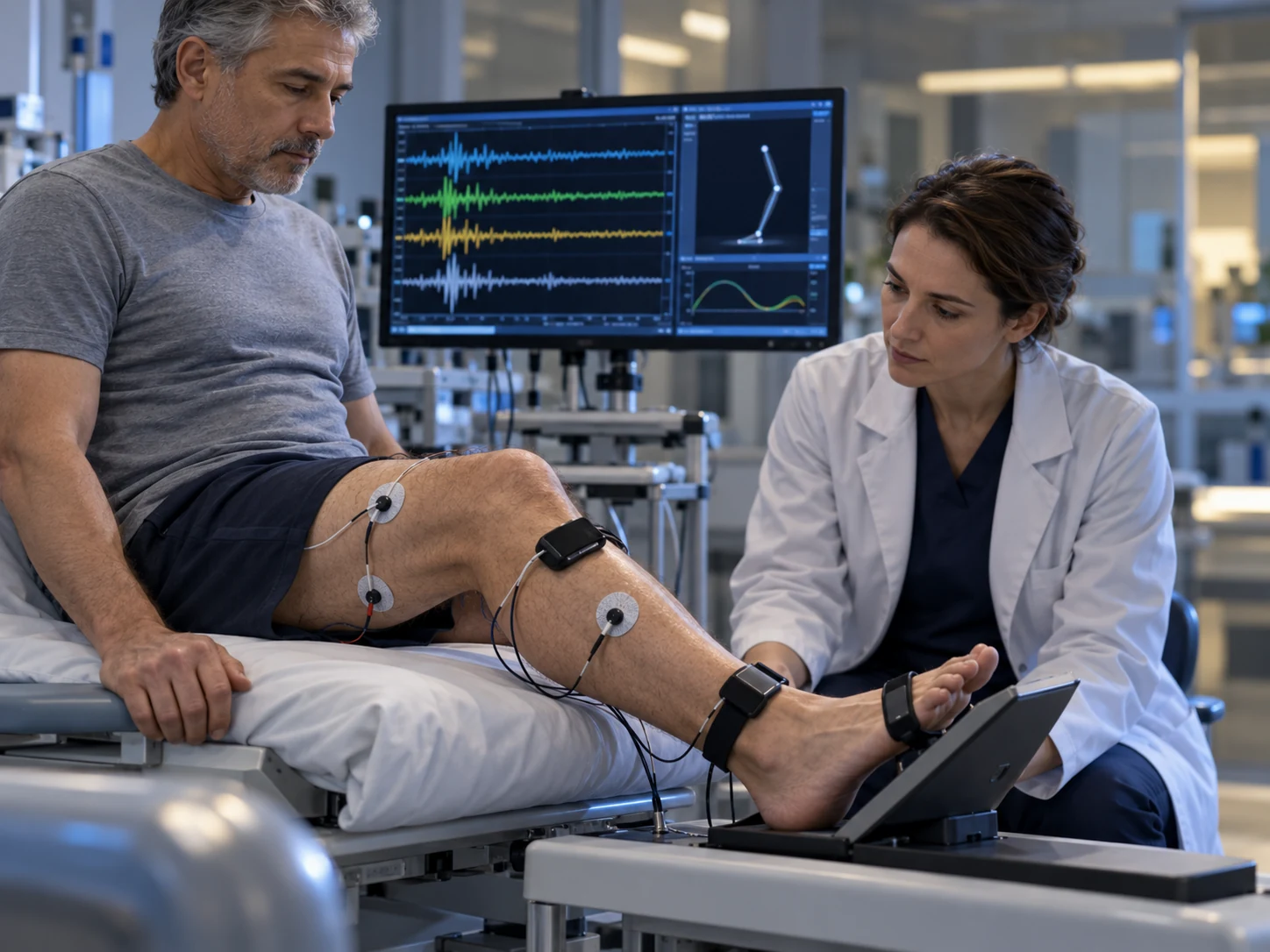
H10Peripheral Neuropathy Neuromuscular Assessment
How is peripheral neuropathy affecting muscle activation, movement and gait function?
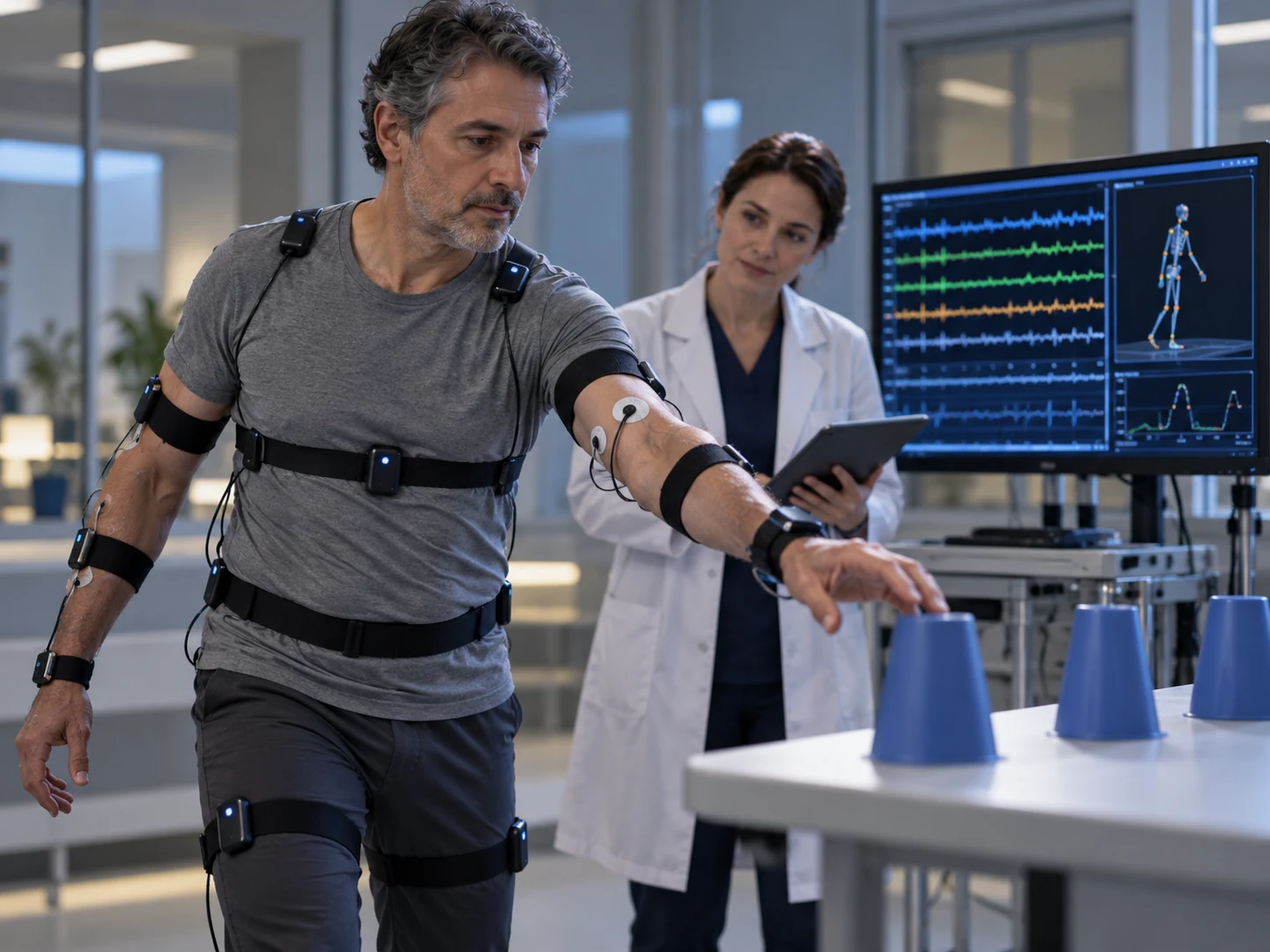 H11
H11Movement Disorders Assessment & Monitoring
What are the frequency, amplitude, timing and functional characteristics of the abnormal movement pattern?
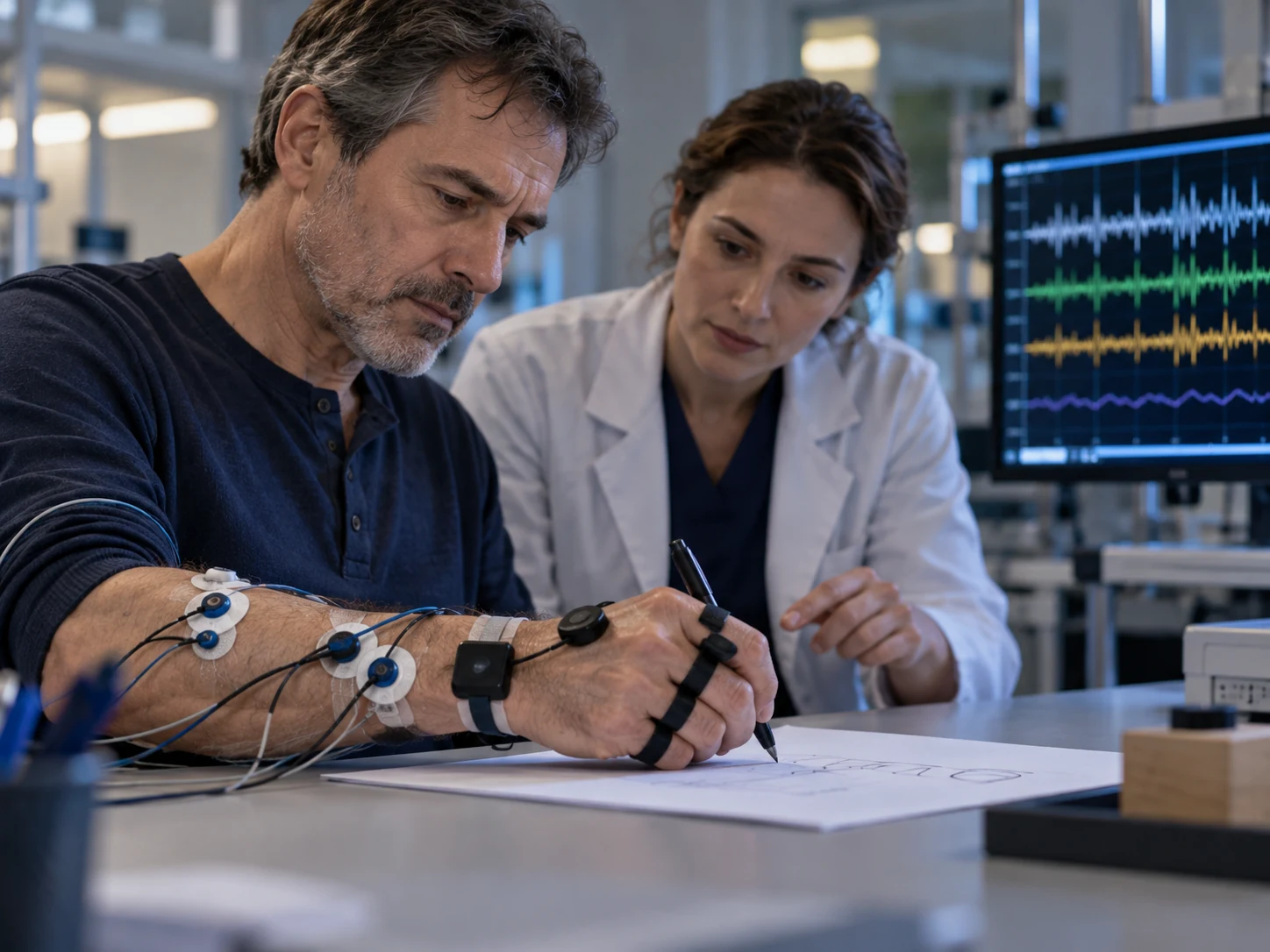 H12
H12Task-Specific Dystonia Assessment & Rehabilitation
Which muscle-activation and movement patterns become abnormal during the task that triggers dystonia?
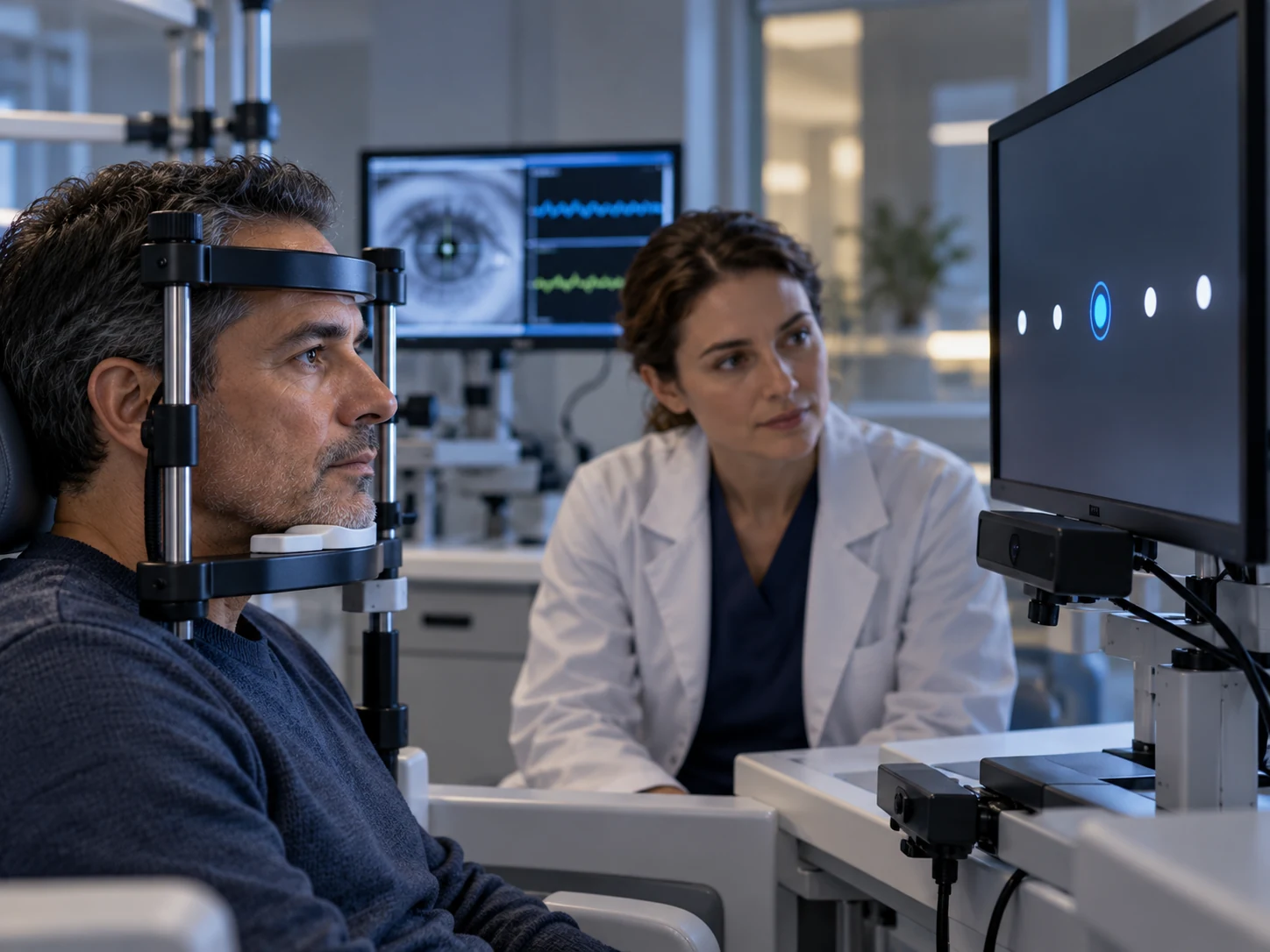 H13
H13Neuro-Ophthalmology & Oculomotor Assessment
How accurately and consistently can the patient fixate, generate saccades, pursue targets and explore visual information?
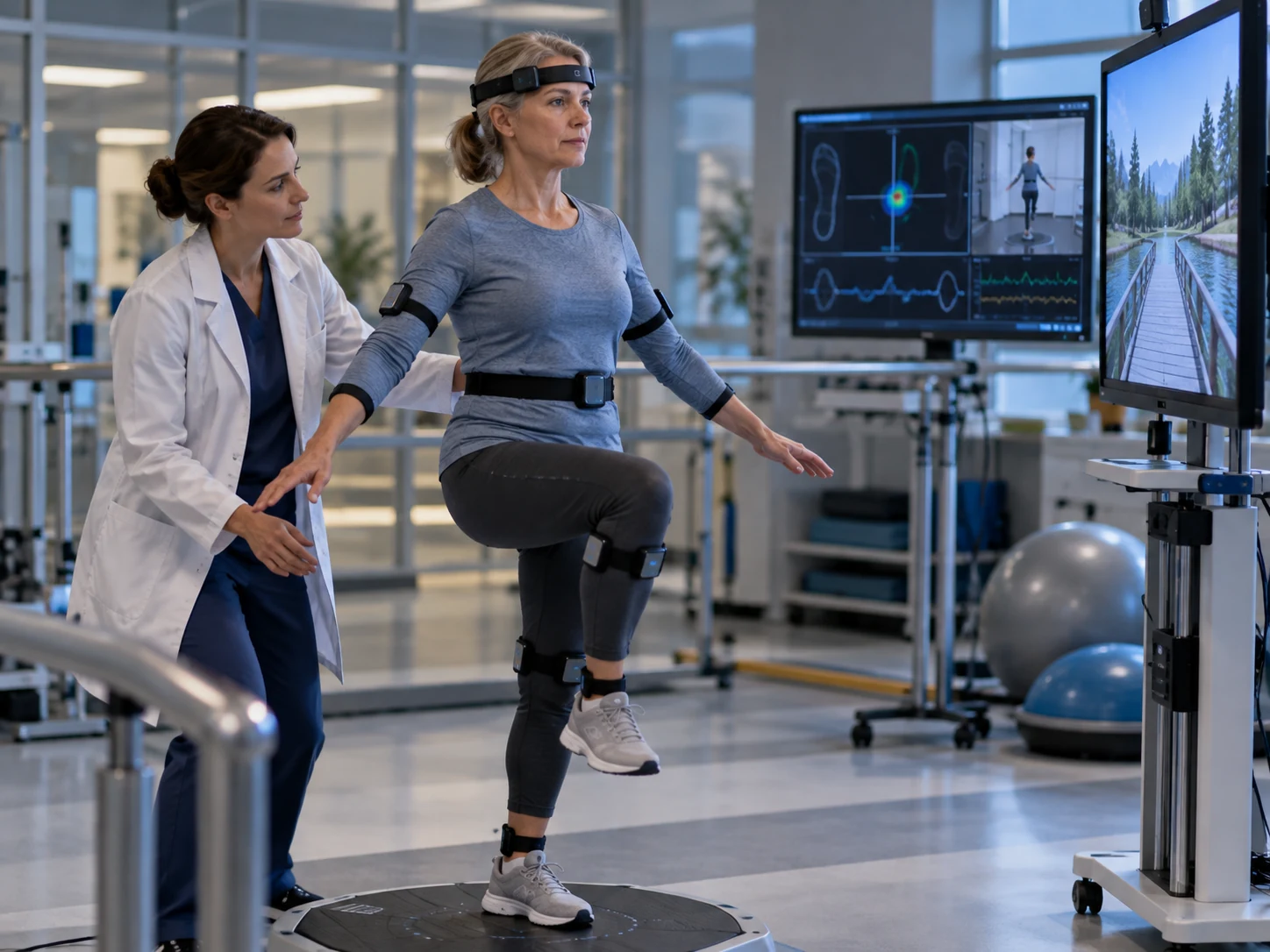 H14
H14Vestibular Dysfunction & Vertigo Assessment and Rehabilitation
How are vestibular dysfunction and vertigo affecting postural control, visual-vestibular function and balance, and how do they respond to rehabilitation?
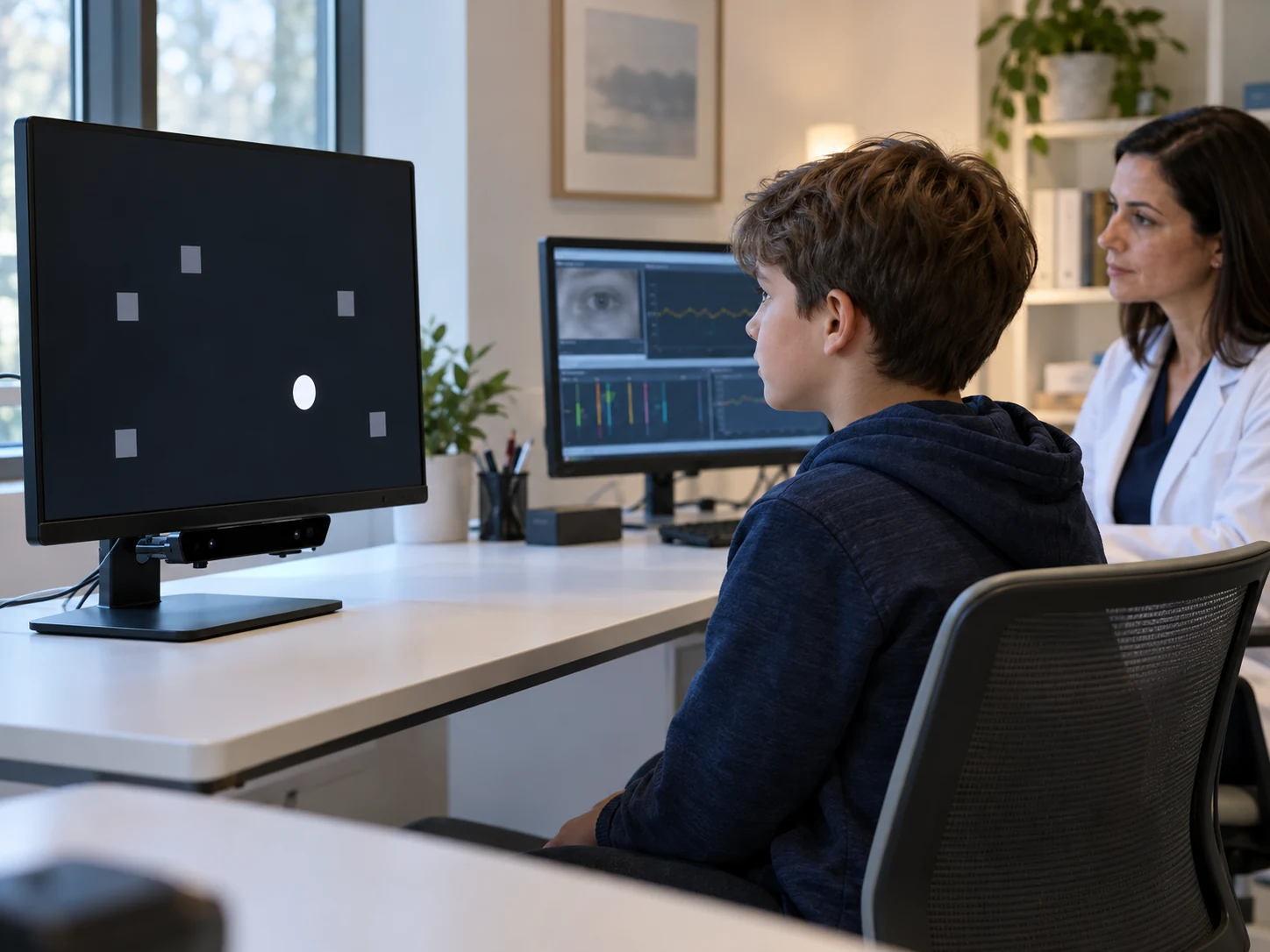 H15
H15ADHD Neurobehavioral Assessment
How does this person allocate and sustain attention, resist distraction and regulate responses during structured tasks?
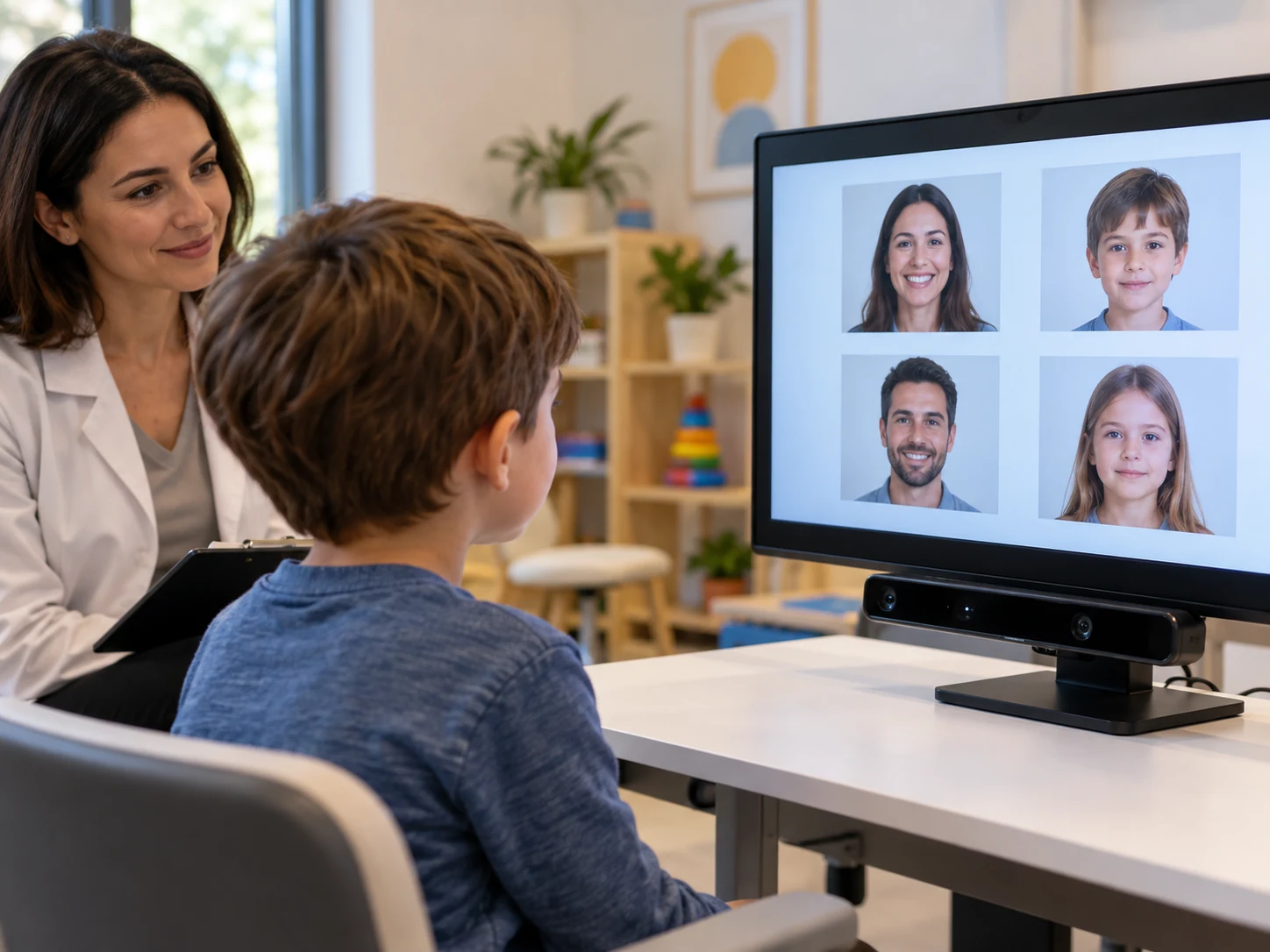 H16
H16Autism Neurobehavioral Screening, Assessment & Monitoring
How does the person allocate attention to social and non-social information, faces, eyes and joint-attention cues?
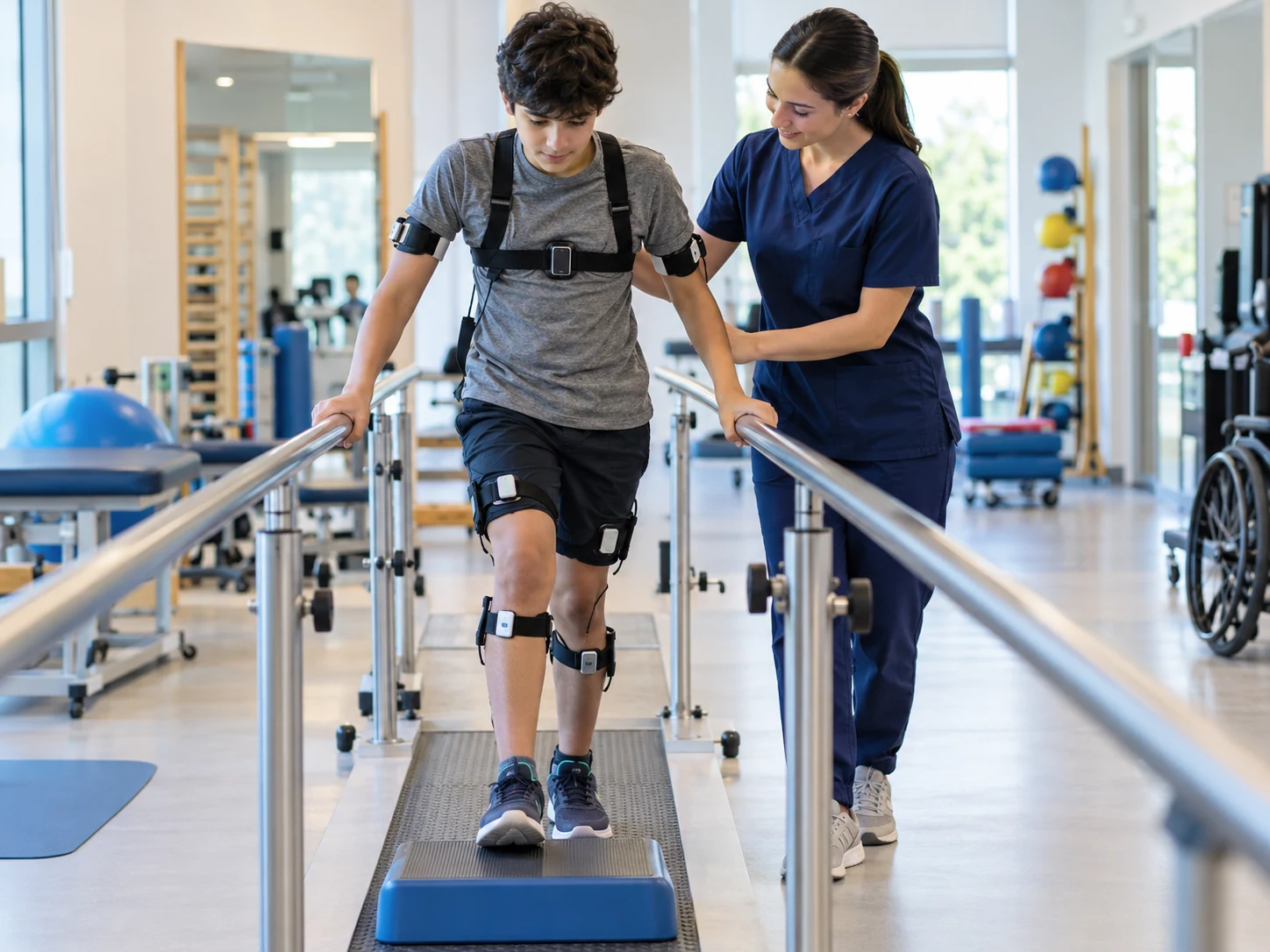 H17
H17Cerebral Palsy Motor & Functional Rehabilitation
Which motor, postural and balance patterns limit function in cerebral palsy, and how are they changing with rehabilitation?
 H18
H18Dyslexia Reading & Oculomotor Assessment
What reading and oculomotor pattern accompanies this person’s reading difficulty?
 H19
H19Specific Learning Disorders Neurobehavioral Assessment
How does the learner visually search, sequence information and execute the specific academic task that is difficult?
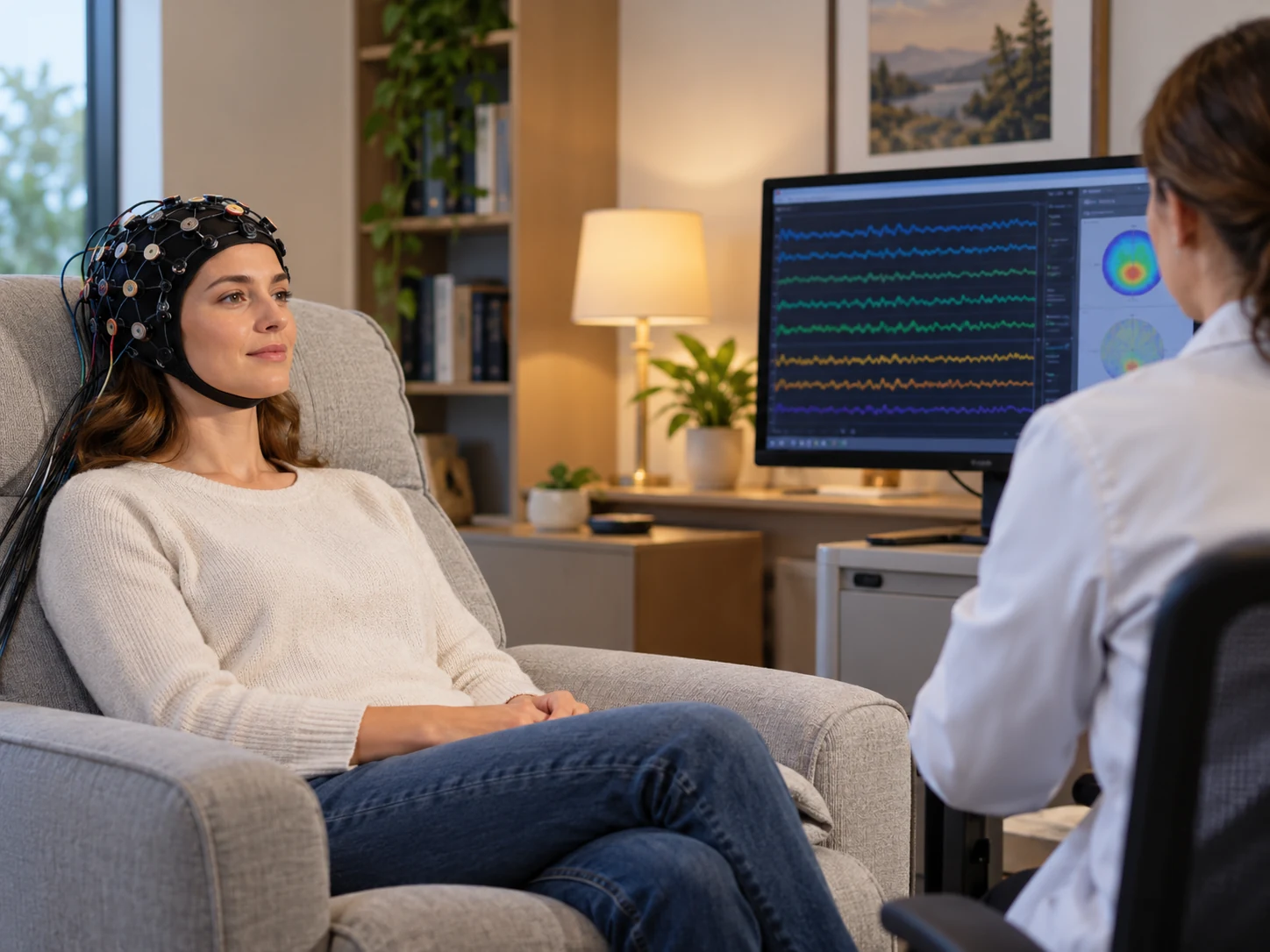 H20
H20Major Depression Neurophysiological Assessment & Neurofeedback
What neurophysiological patterns are present during rest or cognitive/emotional tasks, and how do they change over time or during neurofeedback?
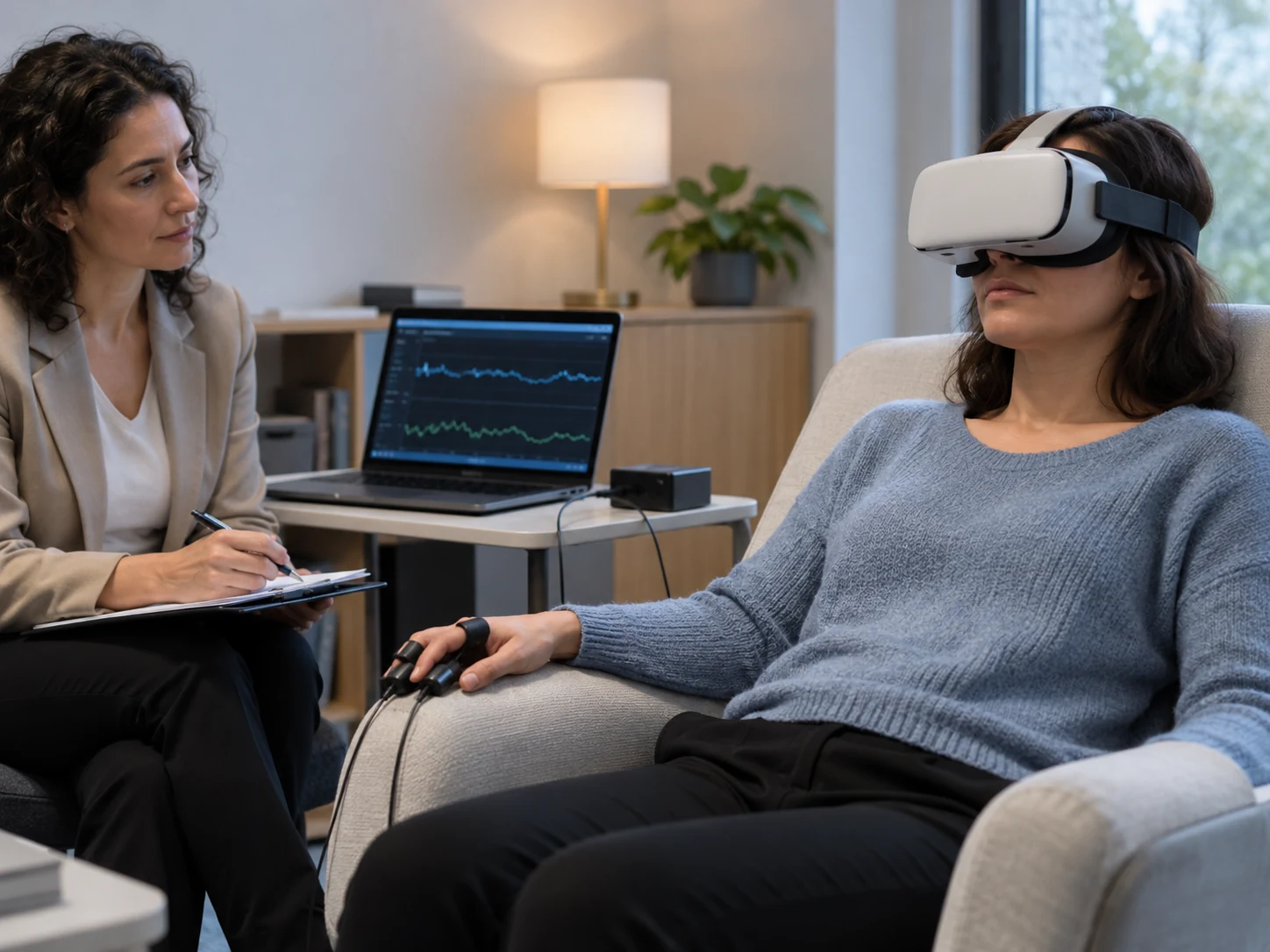 H21
H21Anxiety Disorders Assessment, VR Exposure & Physiological Regulation
How strongly and how long does the person react to anxiety triggers, and how does that response change during graded exposure and regulation?
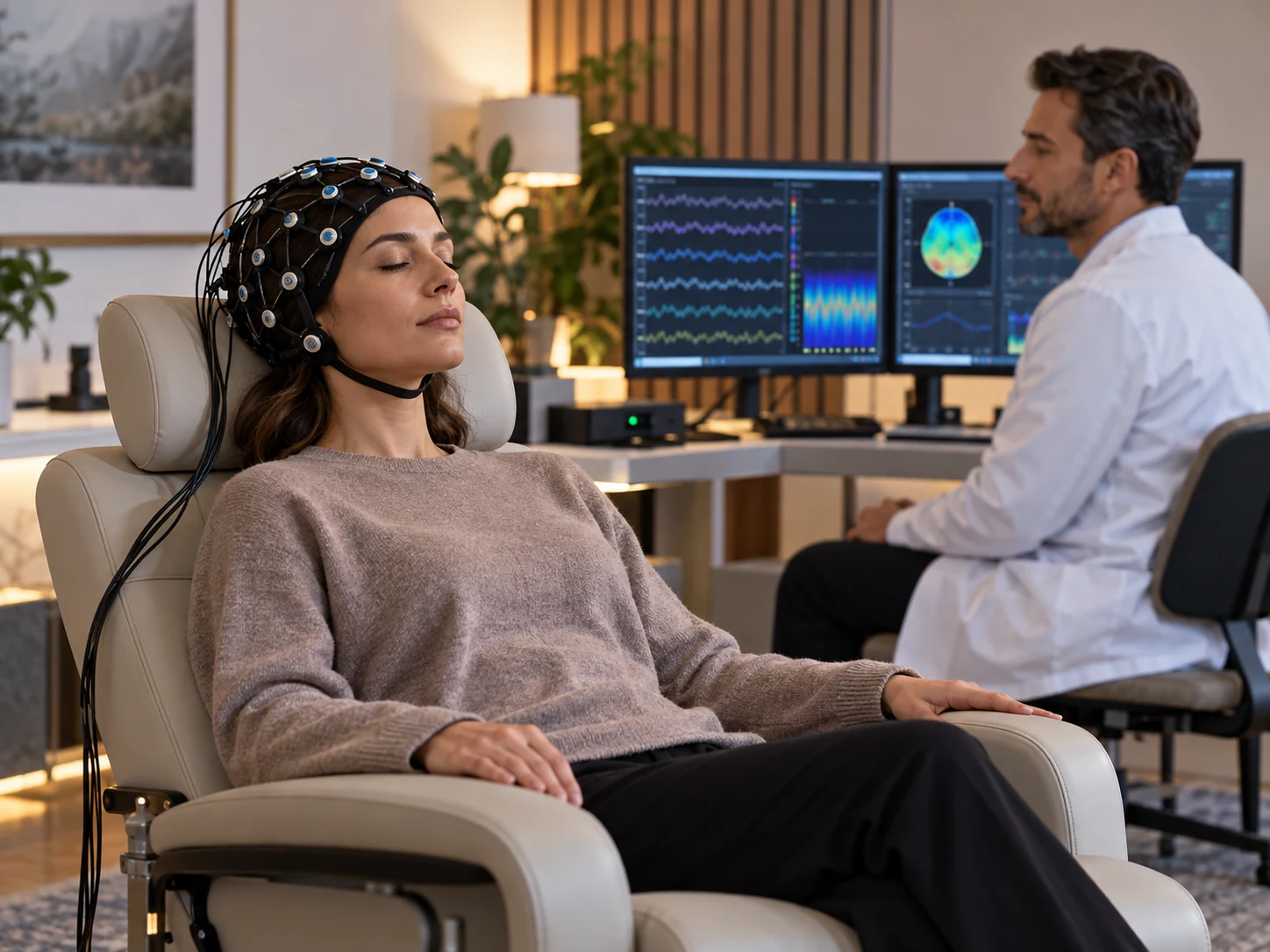 H22
H22PTSD Neurophysiological Assessment & Neurofeedback
How does neurophysiological and autonomic reactivity change across neutral, clinically approved trauma-related and recovery conditions?
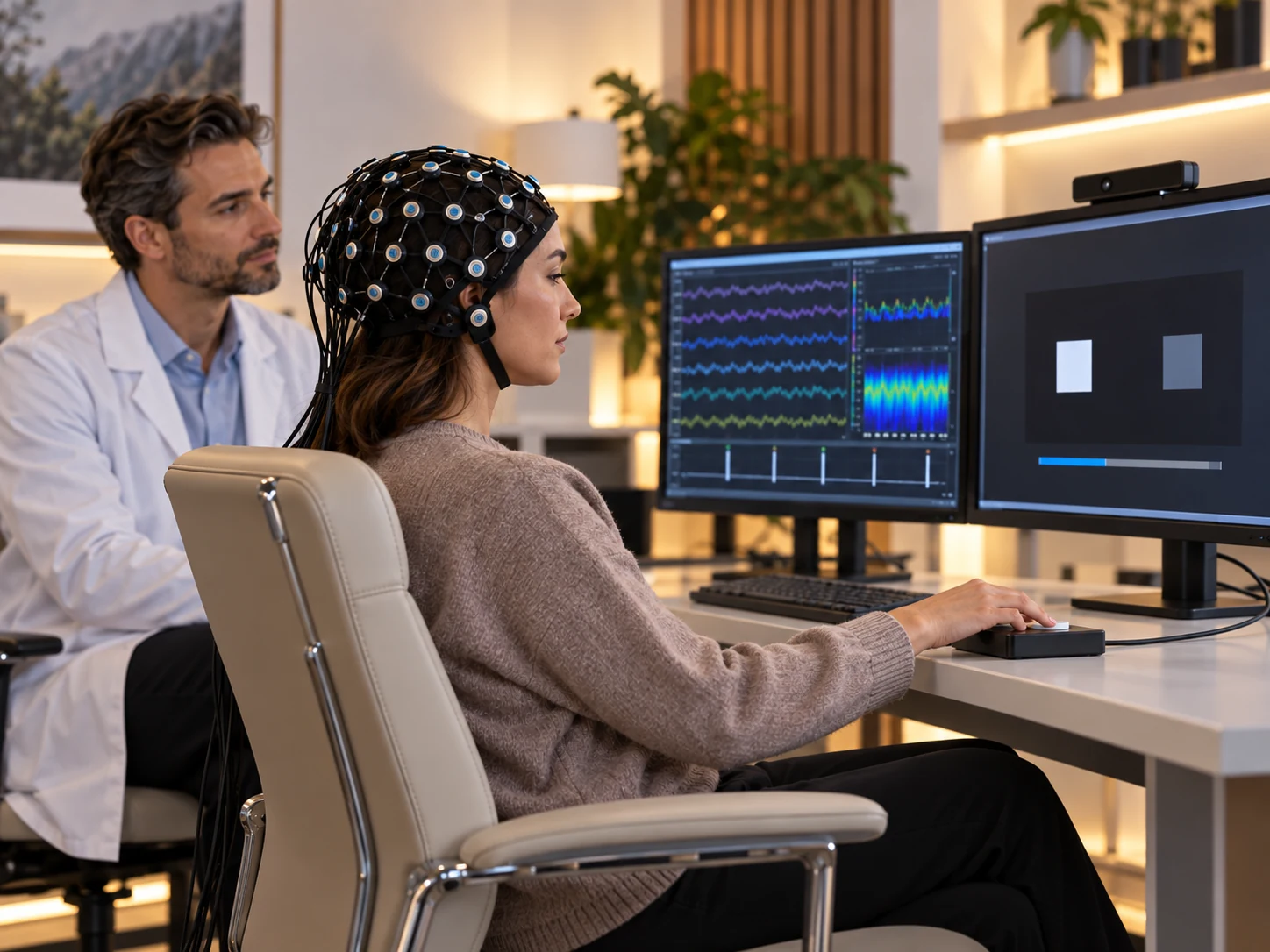 H23
H23Schizophrenia & Psychotic Disorders Assessment
What oculomotor, visual-exploration and neurophysiological patterns are present, and how do they change longitudinally?
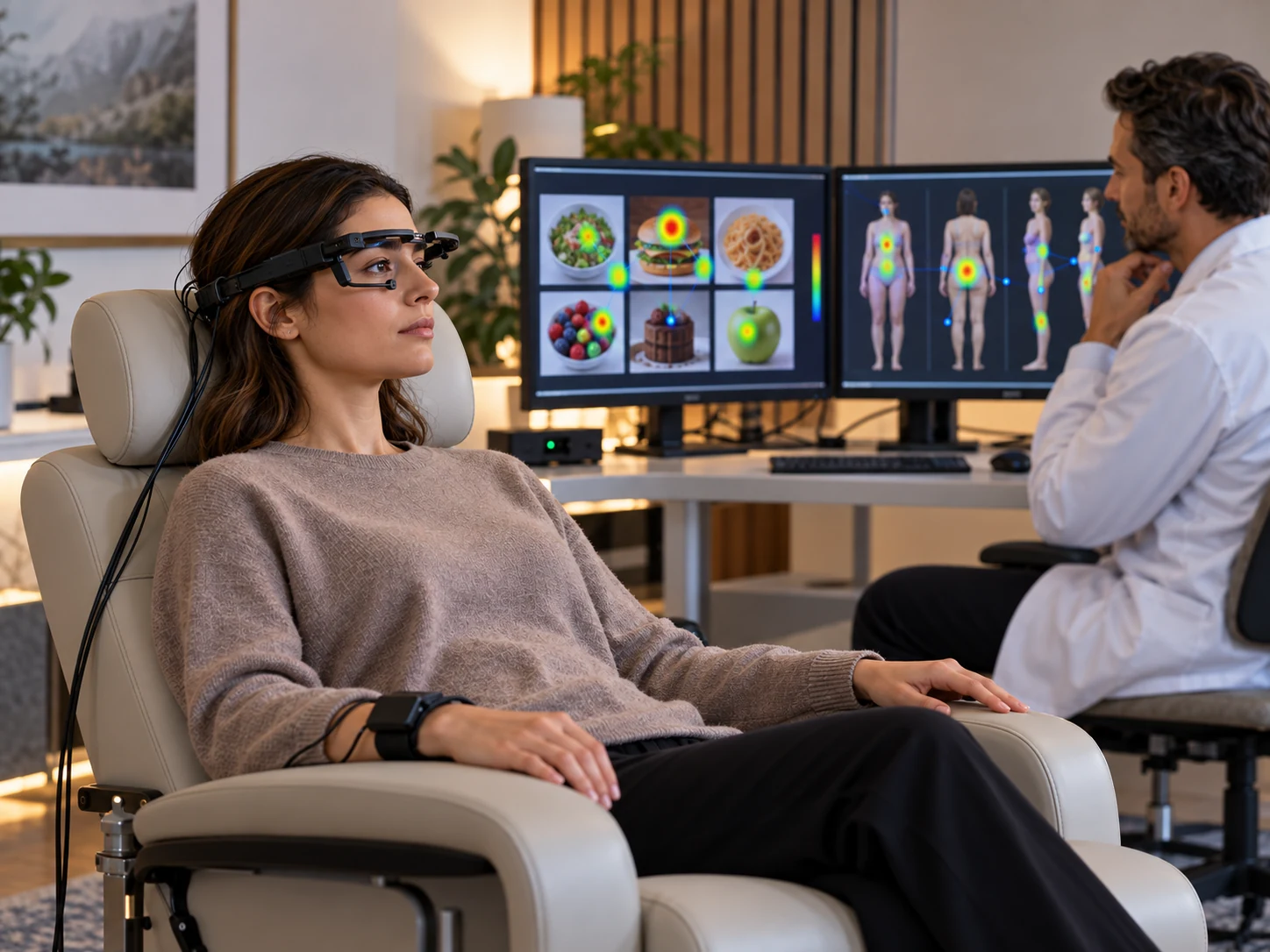 H24
H24OCD Neurobehavioral Assessment & Research
How are cognitive control, error monitoring, uncertainty and compulsive attention expressed during structured OCD-relevant tasks?
 H25
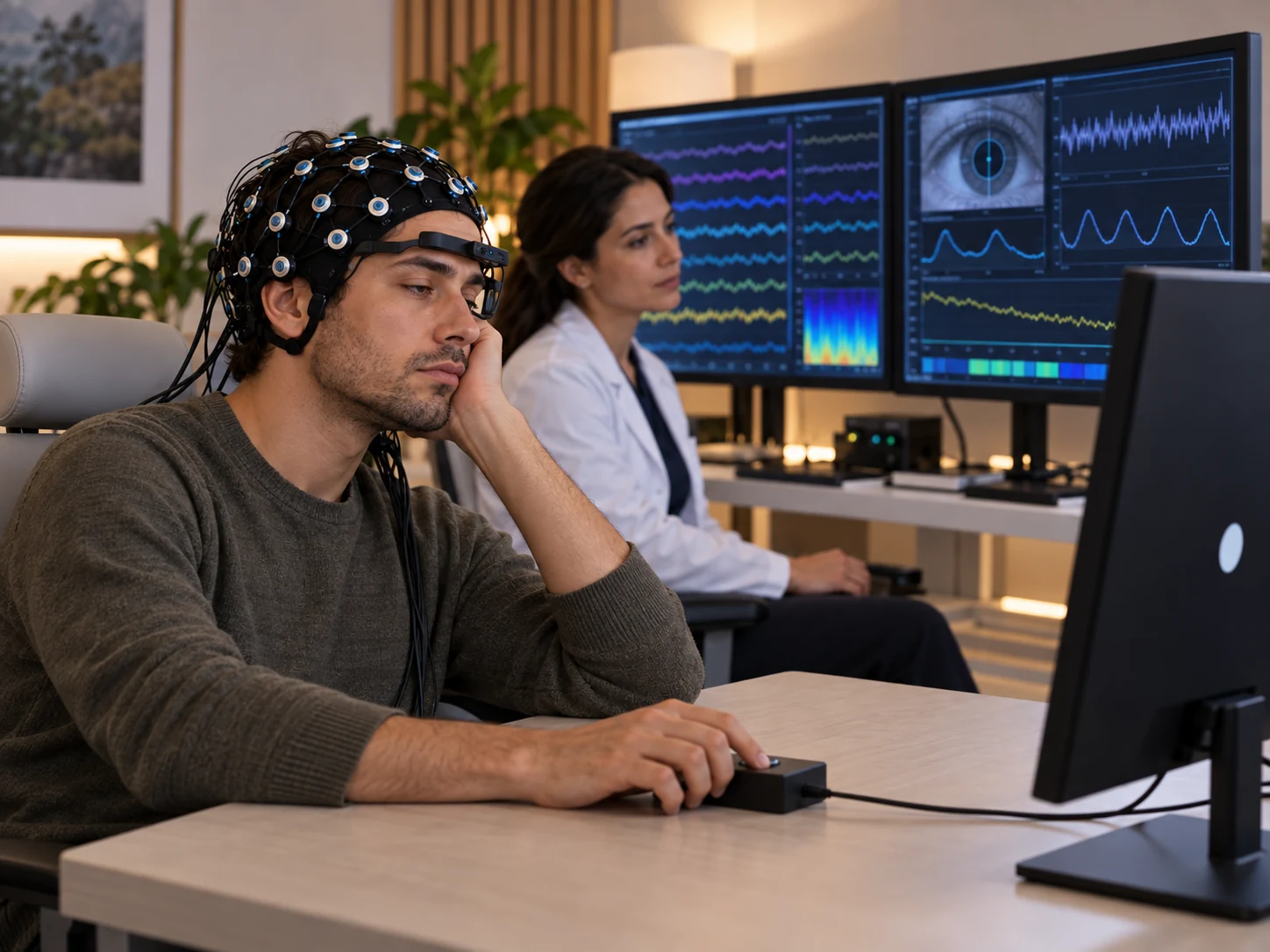
H25Substance Use Disorders Neurophysiological Assessment & Neurofeedback
How does the person respond to substance-specific cues, disengage attention and regulate inhibitory control?
 H26
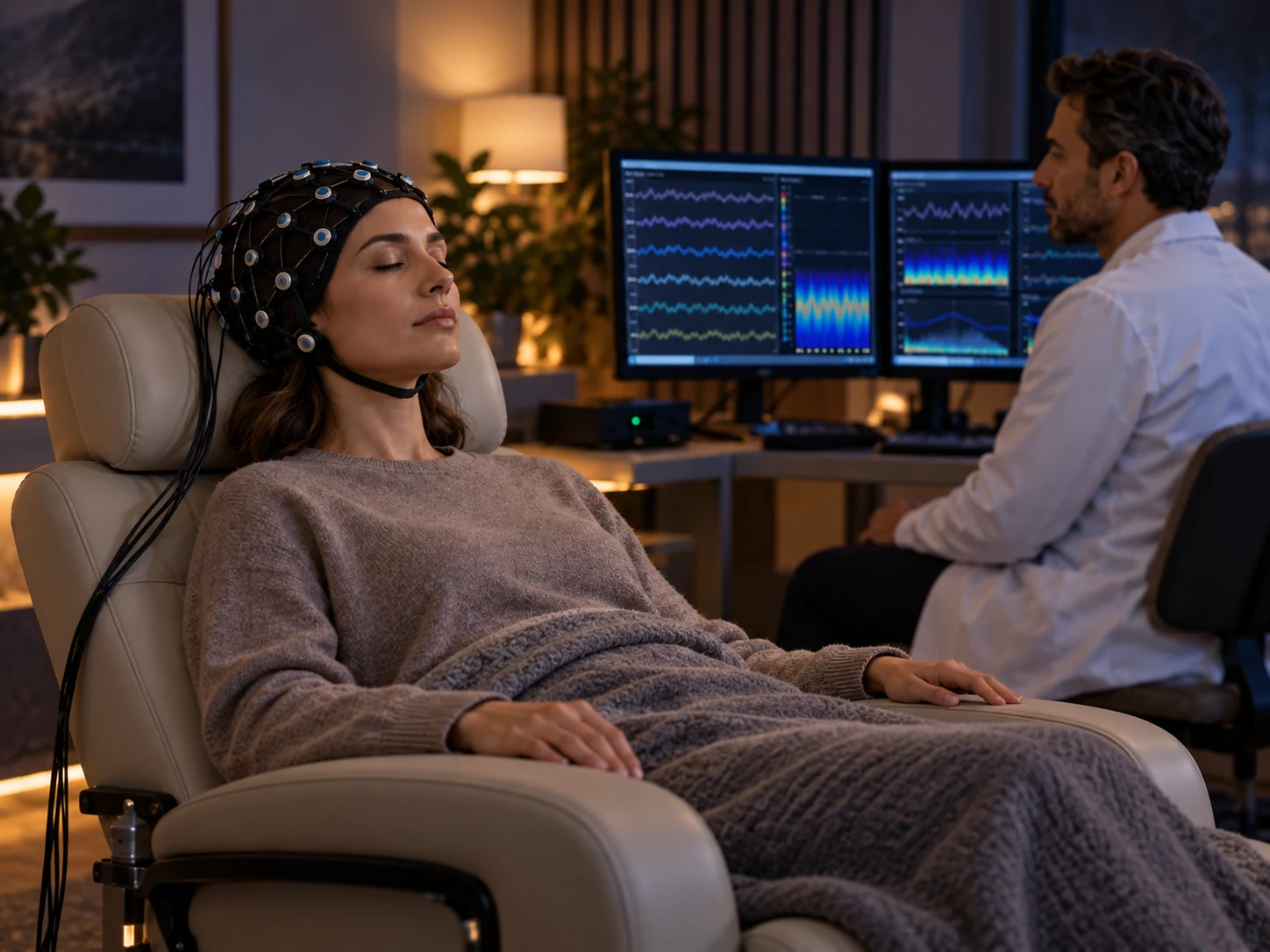
H26Eating Disorders Neurobehavioral Assessment
How is attention allocated toward or away from food, body-image and other clinically relevant stimuli?
 H27
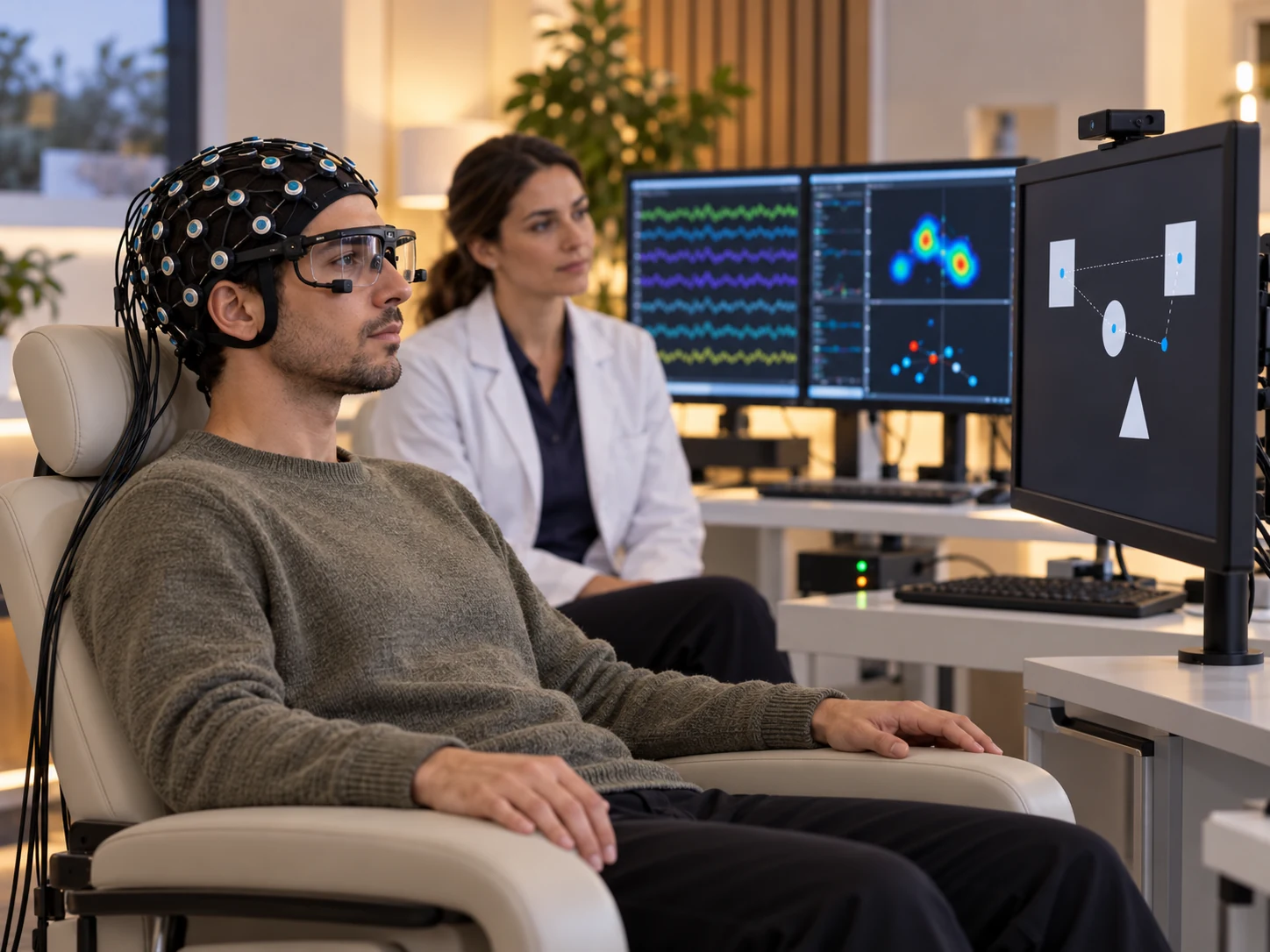
H27Insomnia Neurophysiological Assessment & Monitoring
What resting or daytime neurophysiological patterns accompany insomnia, and how do they change during treatment?
 H28
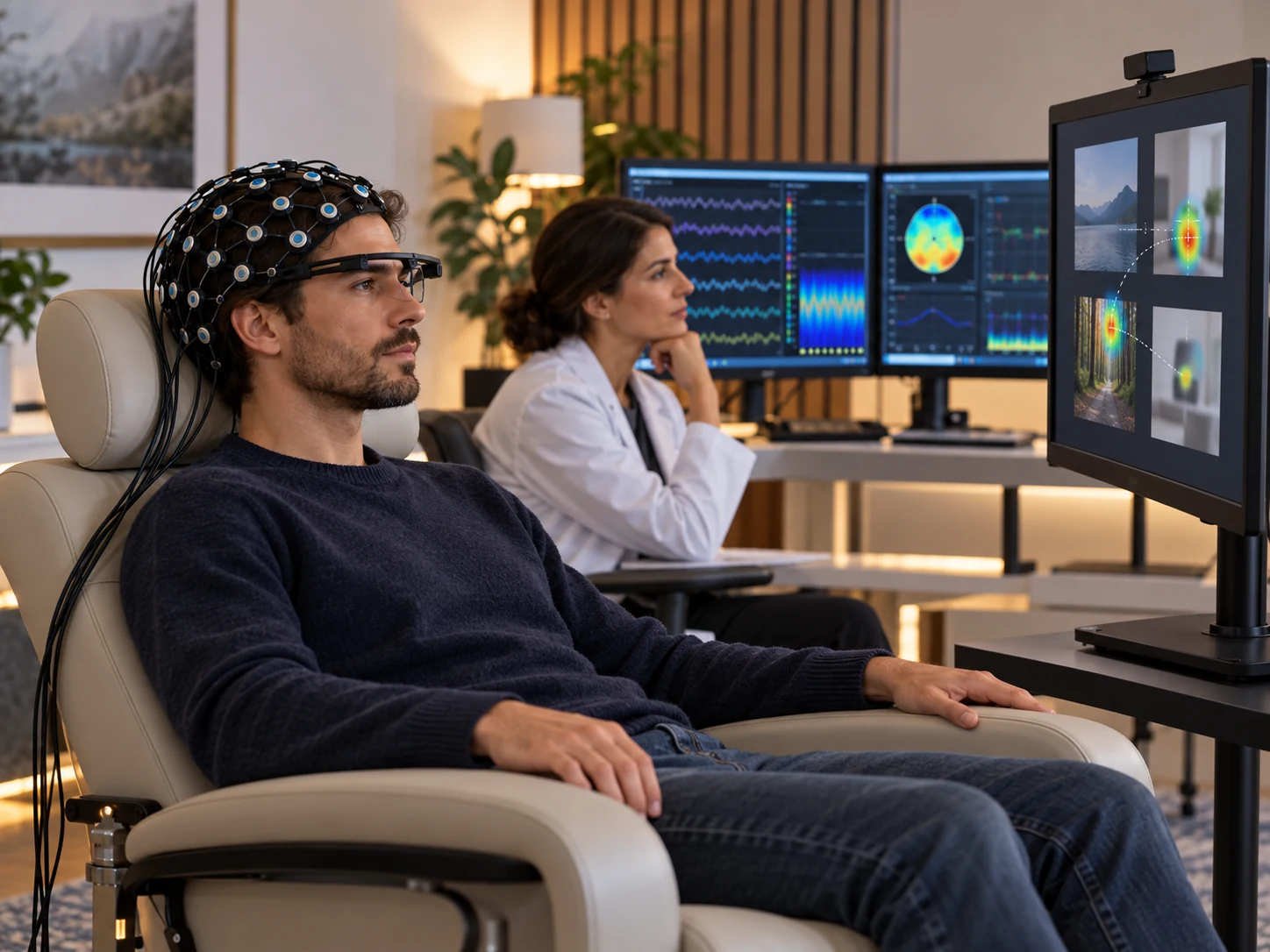
H28Fatigue & Somnolence Assessment
How does alertness deteriorate during sustained performance, and what ocular and EEG indicators accompany that decline?
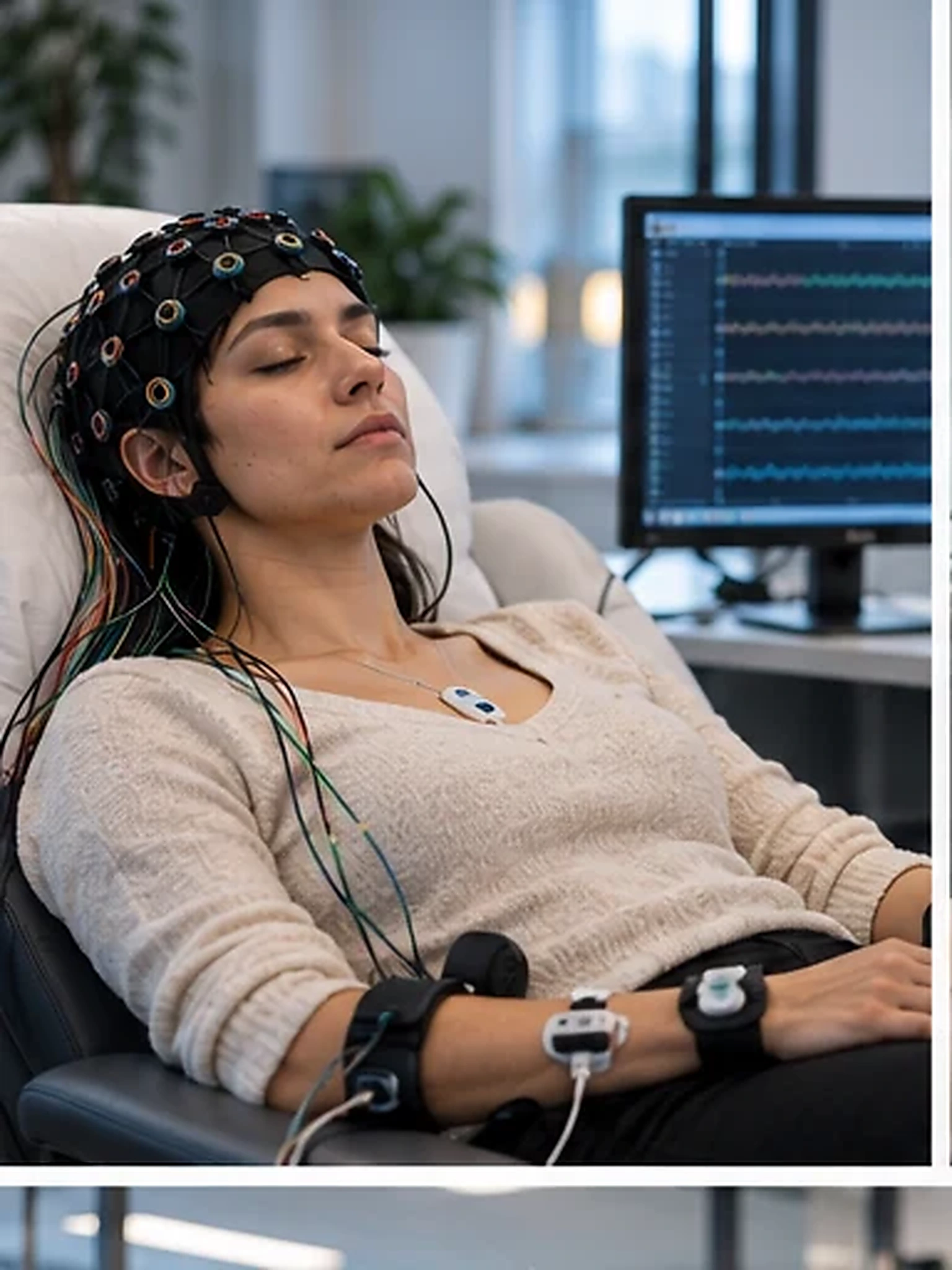 H29
H29Chronic Pain Multimodal Assessment & Neuroregulation
How are neurophysiological, autonomic and functional responses associated with chronic pain, and how do they change during regulation or rehabilitation?
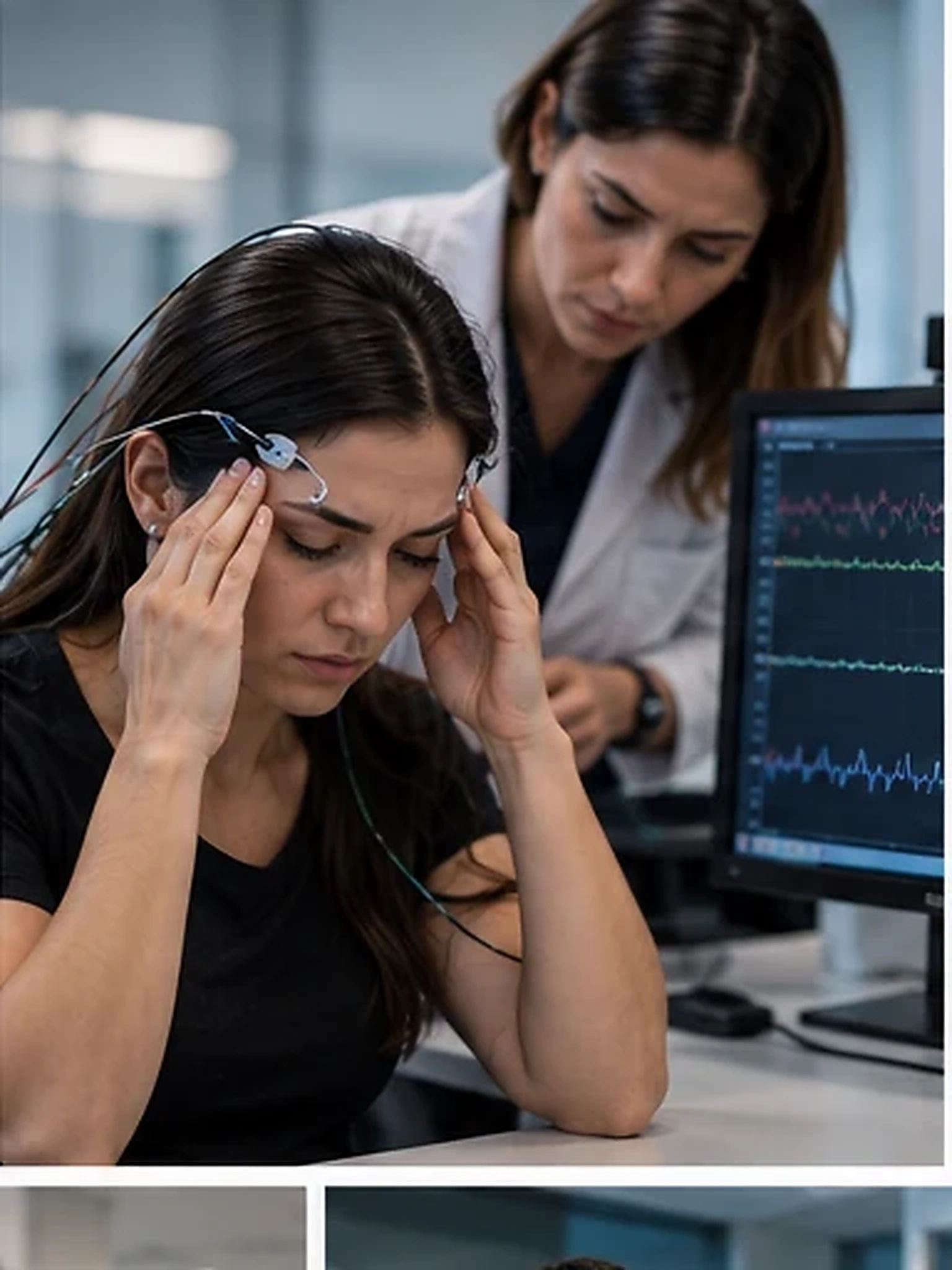 H30
H30Migraine Neurophysiological Assessment & Biofeedback
Which physiological patterns are associated with migraine episodes or triggers, and can the patient improve voluntary regulation through biofeedback?
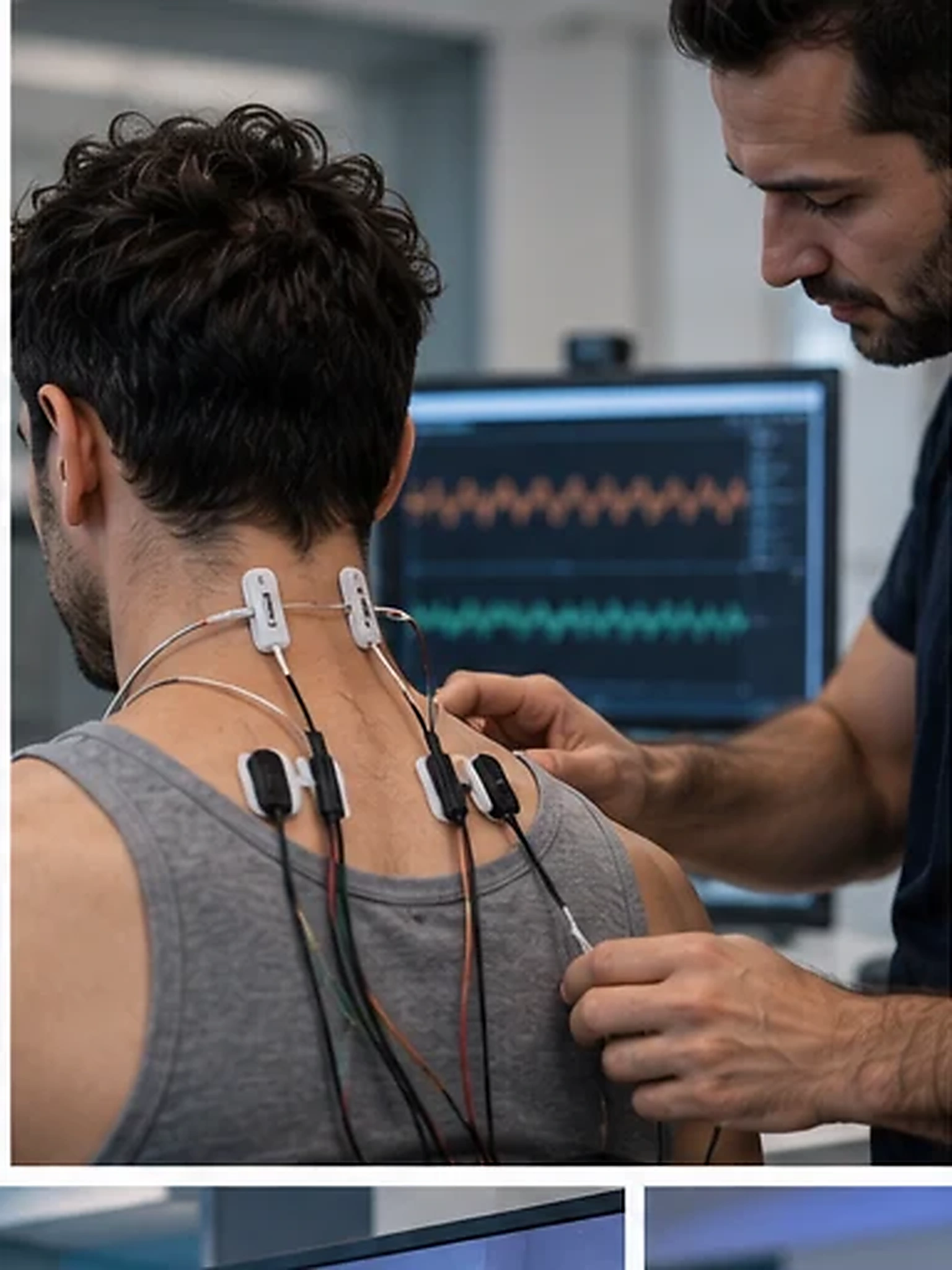 H31
H31Tension-Type Headache EMG Assessment & Biofeedback
What muscle-tension pattern is present at rest and during relevant tasks, and can the patient learn to reduce it?
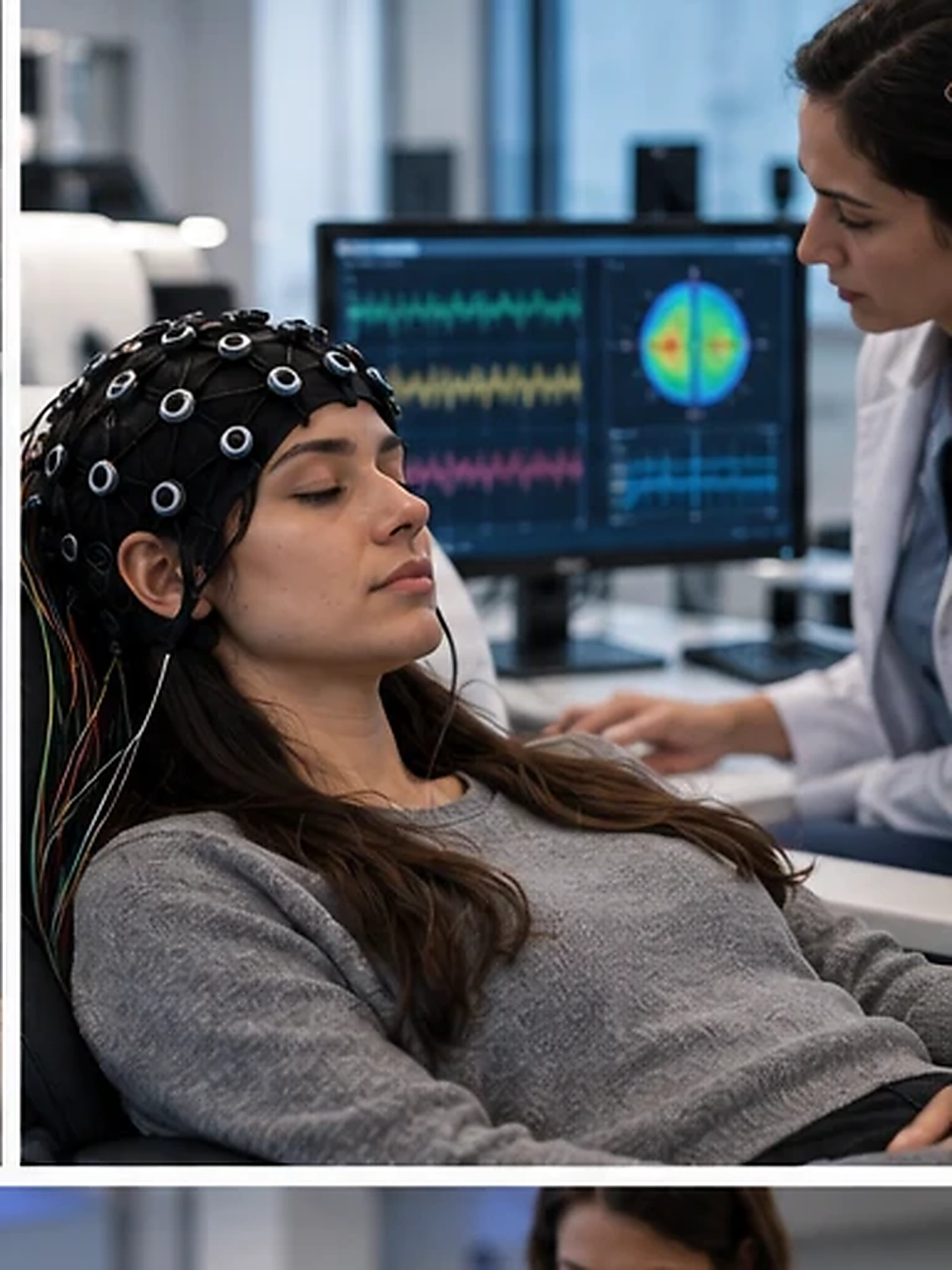 H32
H32Fibromyalgia Neurophysiological Assessment & Bio/Neurofeedback
What neurophysiological and physiological patterns accompany fibromyalgia symptoms, and how do they change during feedback-based regulation?
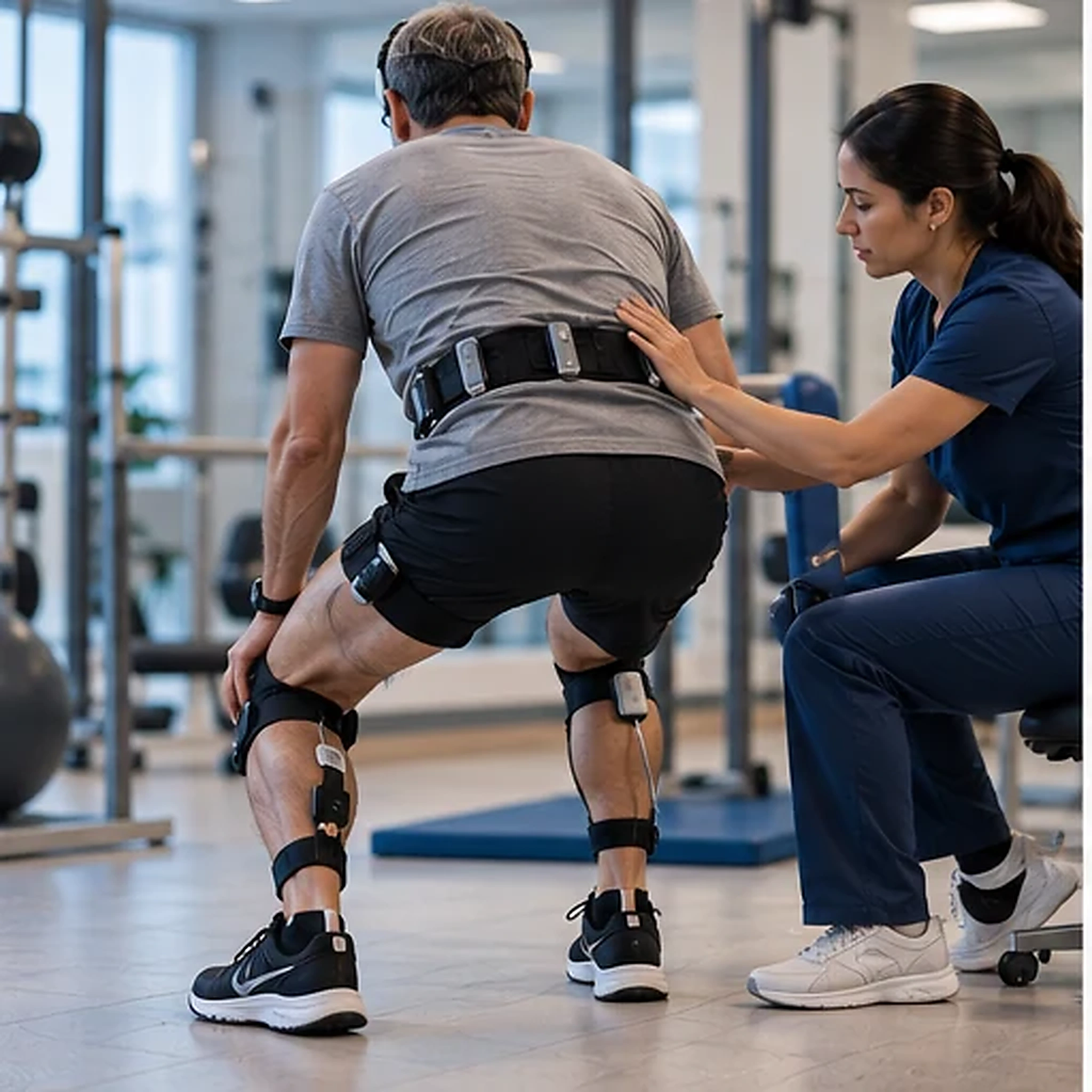 H33
H33Chronic Low Back Pain Functional Assessment & Rehabilitation
How are trunk movement and muscle activation altered by chronic low back pain, and how do they change with rehabilitation?
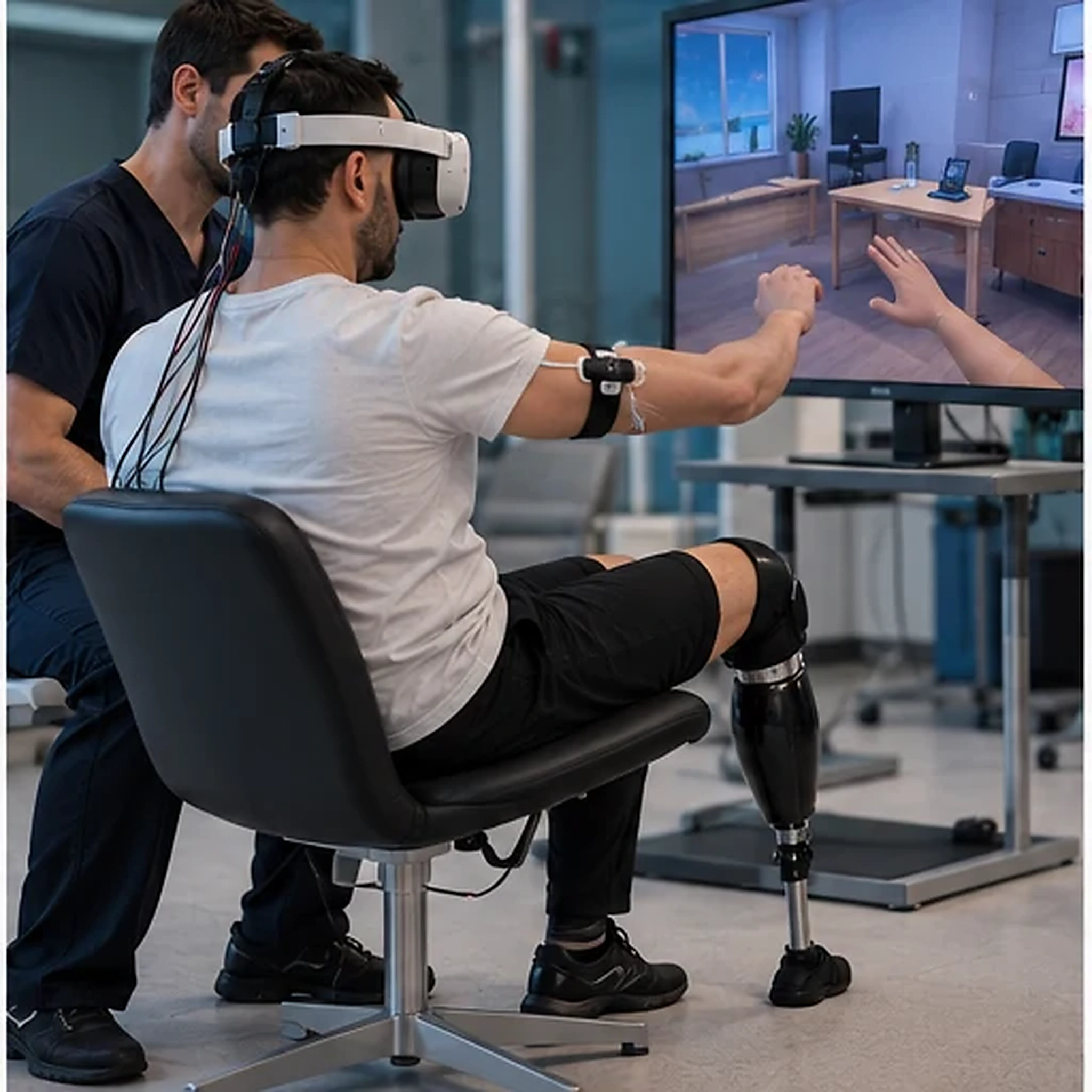 H34
H34Phantom Limb Pain VR Rehabilitation
Can congruent visual and motor feedback alter phantom-limb pain, body perception and movement experience across repeated sessions?
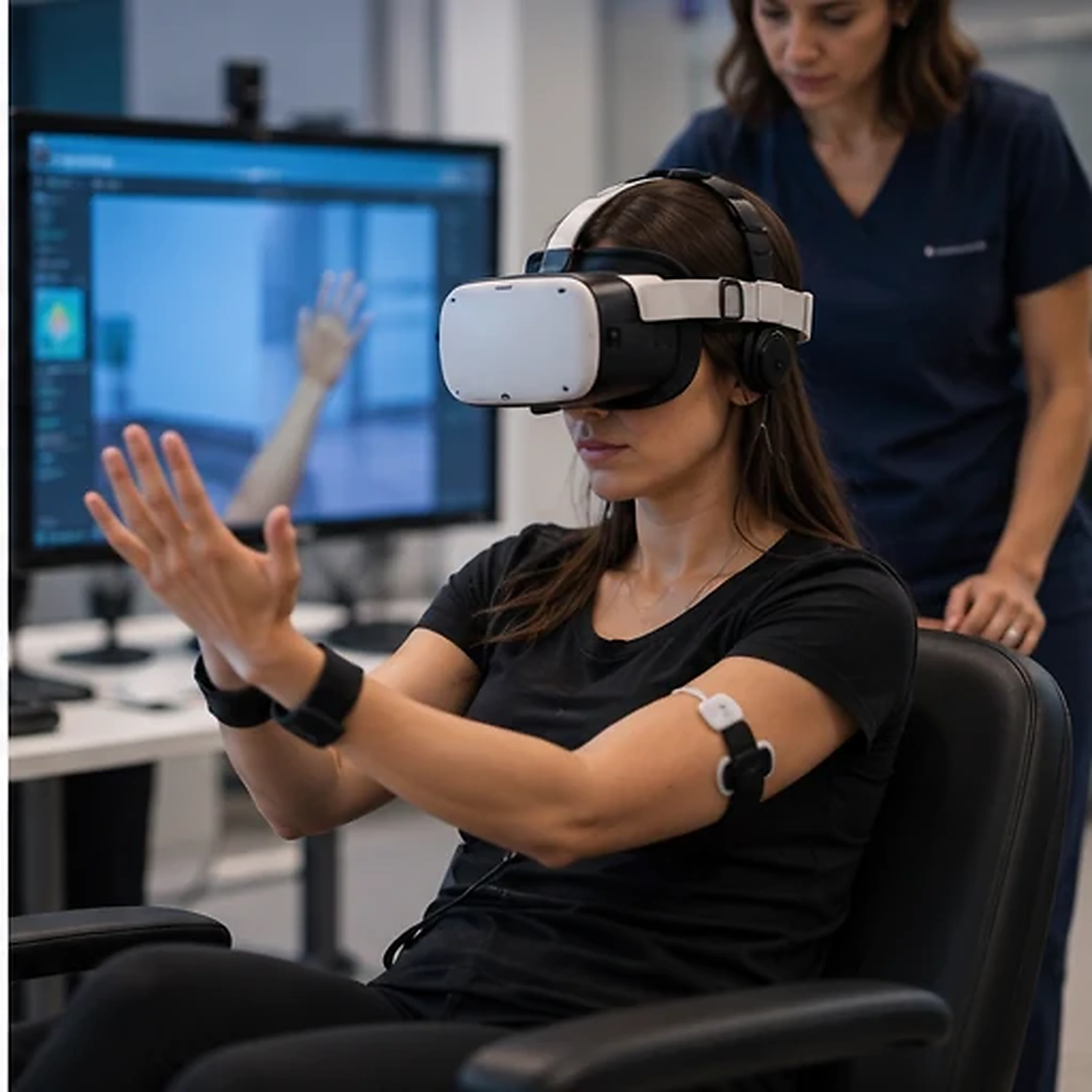 H35
H35CRPS Pain & Body-Perception Rehabilitation
How are pain, body perception and movement avoidance changing during graded CRPS rehabilitation?
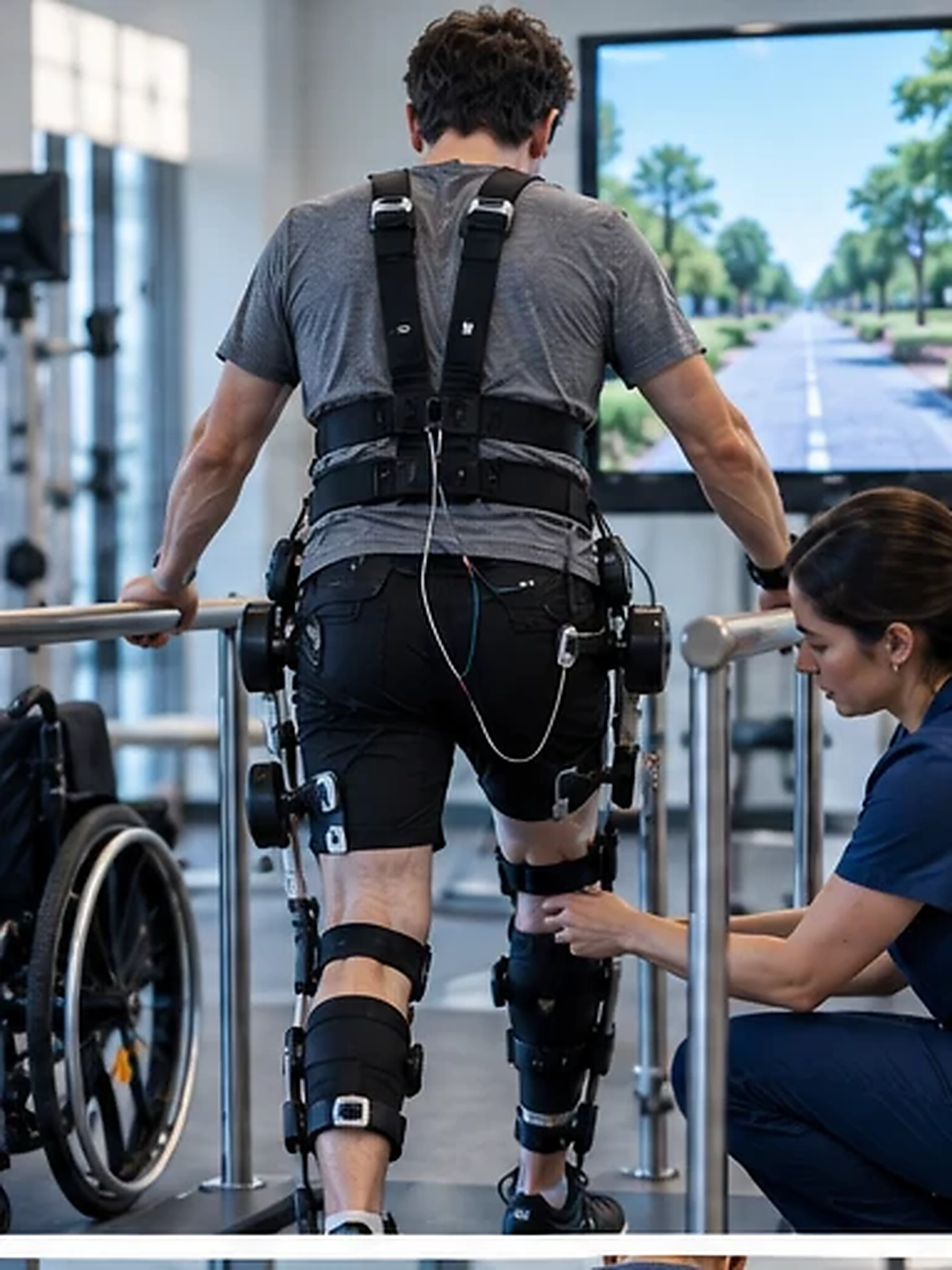 H36
H36Spinal Cord Injury Assessment, Pain & Neurorehabilitation
What motor function remains after spinal cord injury, how does it support functional movement, and how is it changing with rehabilitation?
 H37
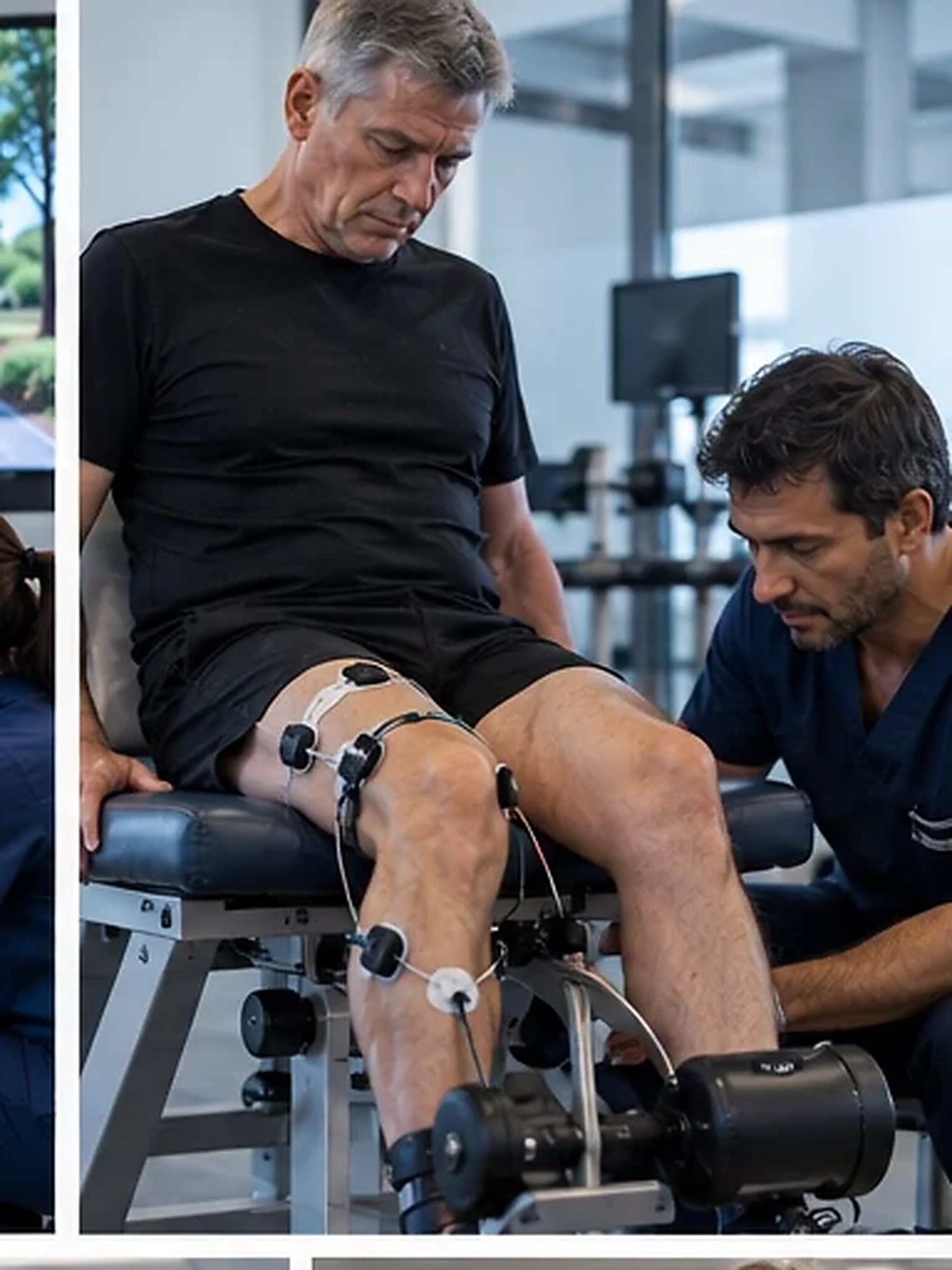
H37Myopathy & Muscular Disease Functional Assessment
How are muscle recruitment, fatigue and functional movement affected by the muscular disease?
 H38
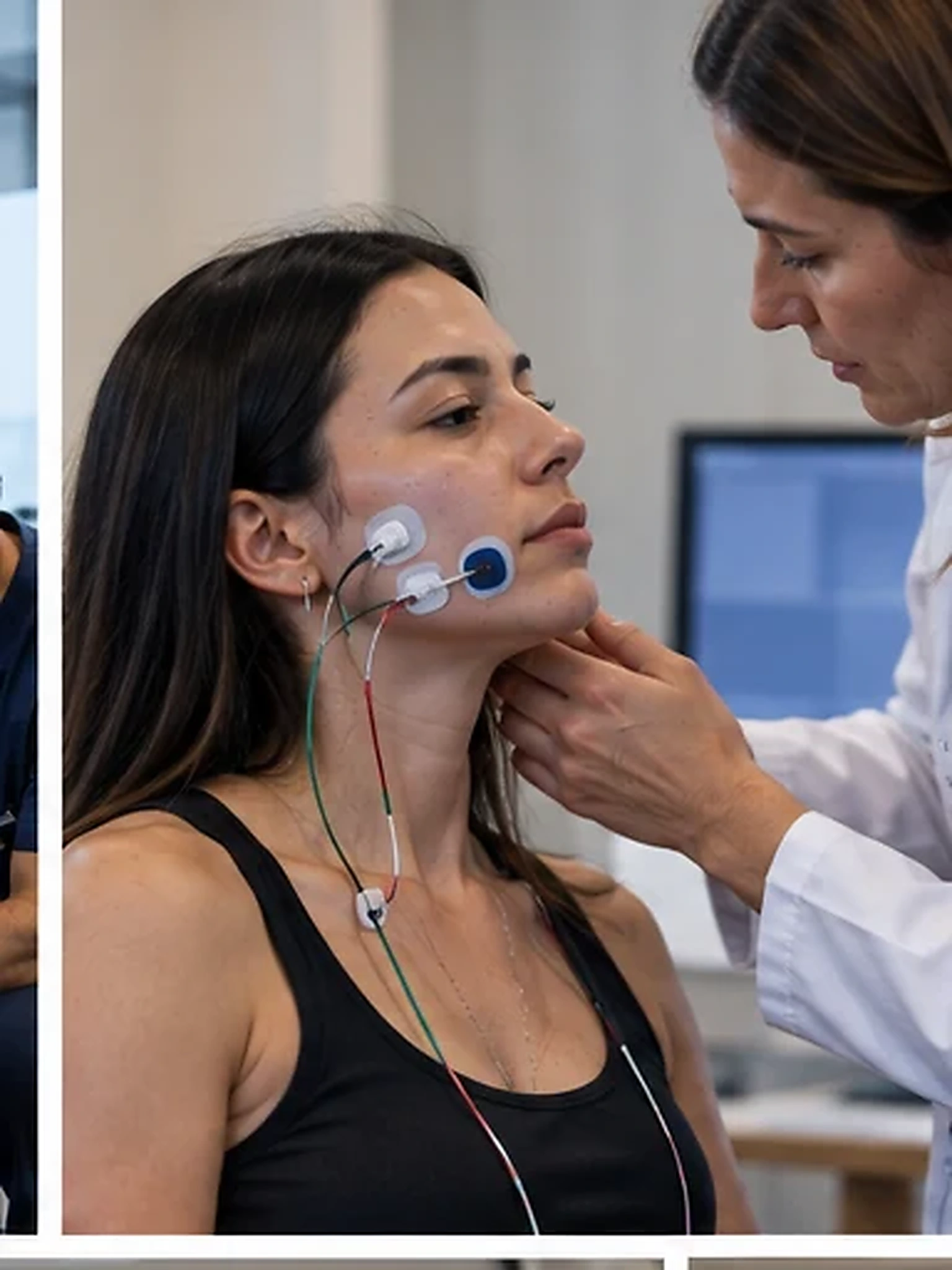
H38Temporomandibular Disorder EMG Assessment & Biofeedback
What masticatory-muscle activation pattern accompanies the temporomandibular disorder, and can the patient improve voluntary regulation?
 H39
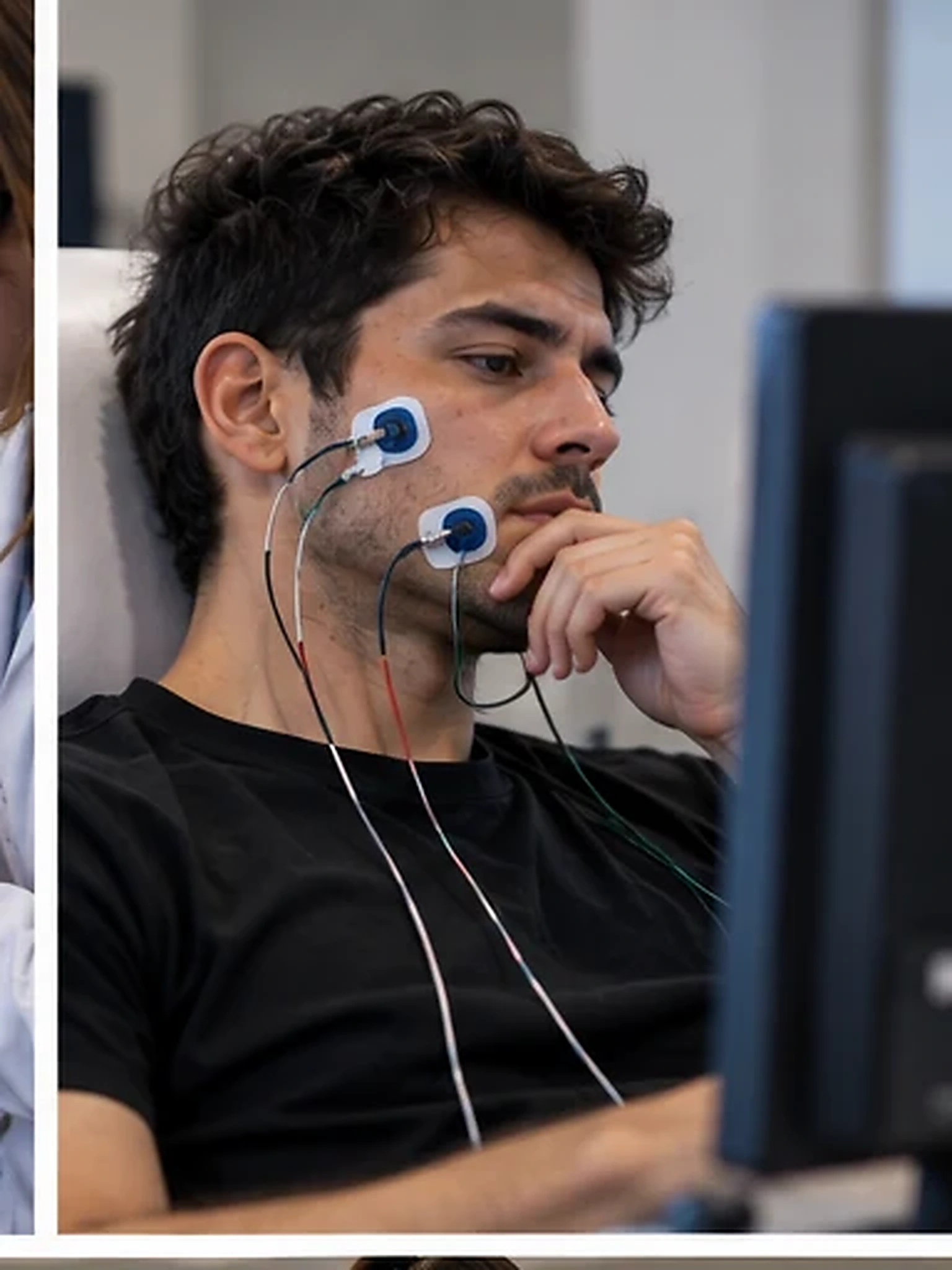
H39Awake Bruxism EMG Assessment & Biofeedback
How often and how strongly does excessive masticatory activity occur during wakefulness, and can the patient learn to reduce it?
 H40
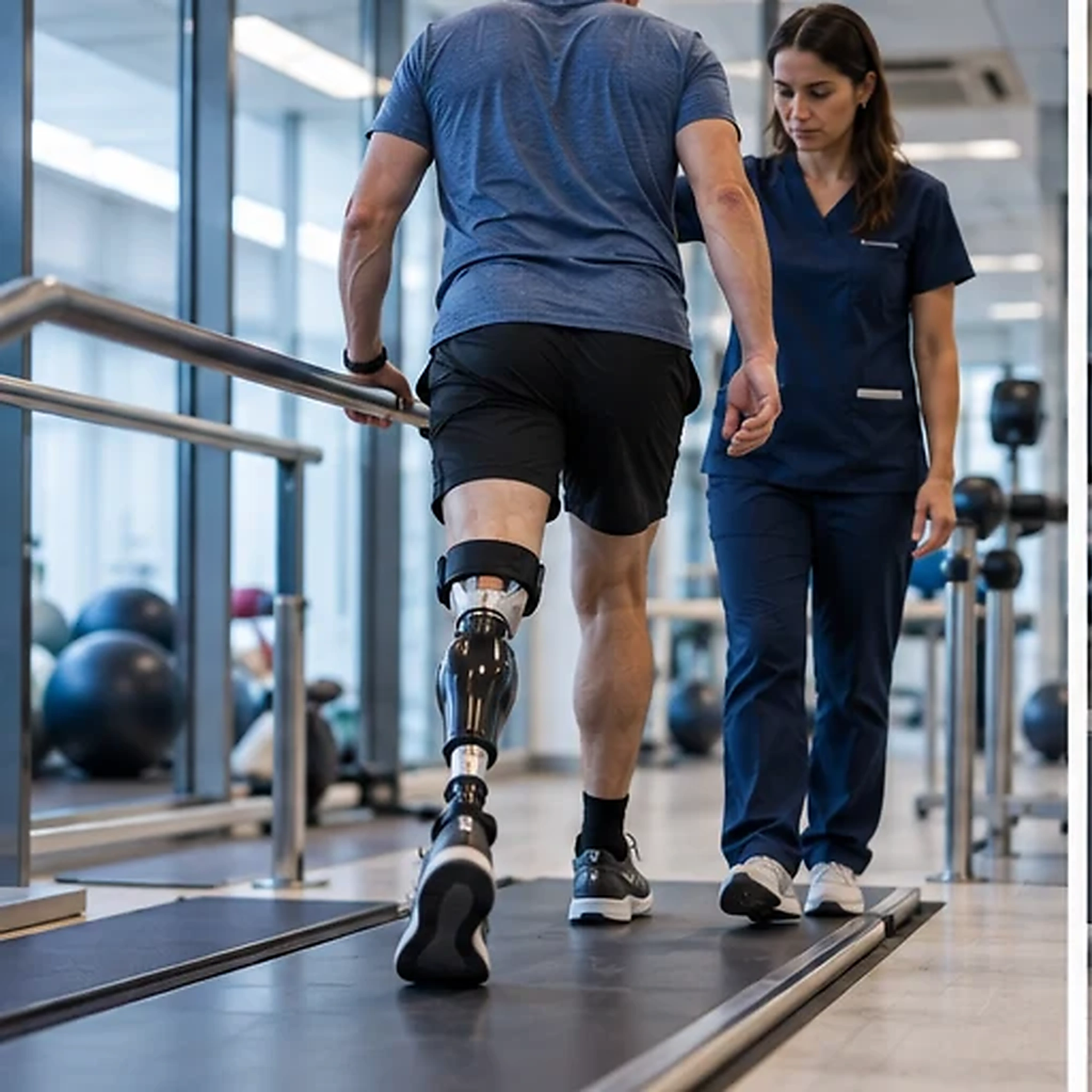
H40Lower-Limb Amputation & Prosthetic Rehabilitation
How effectively is the person adapting to the prosthesis during gait, balance and functional tasks?
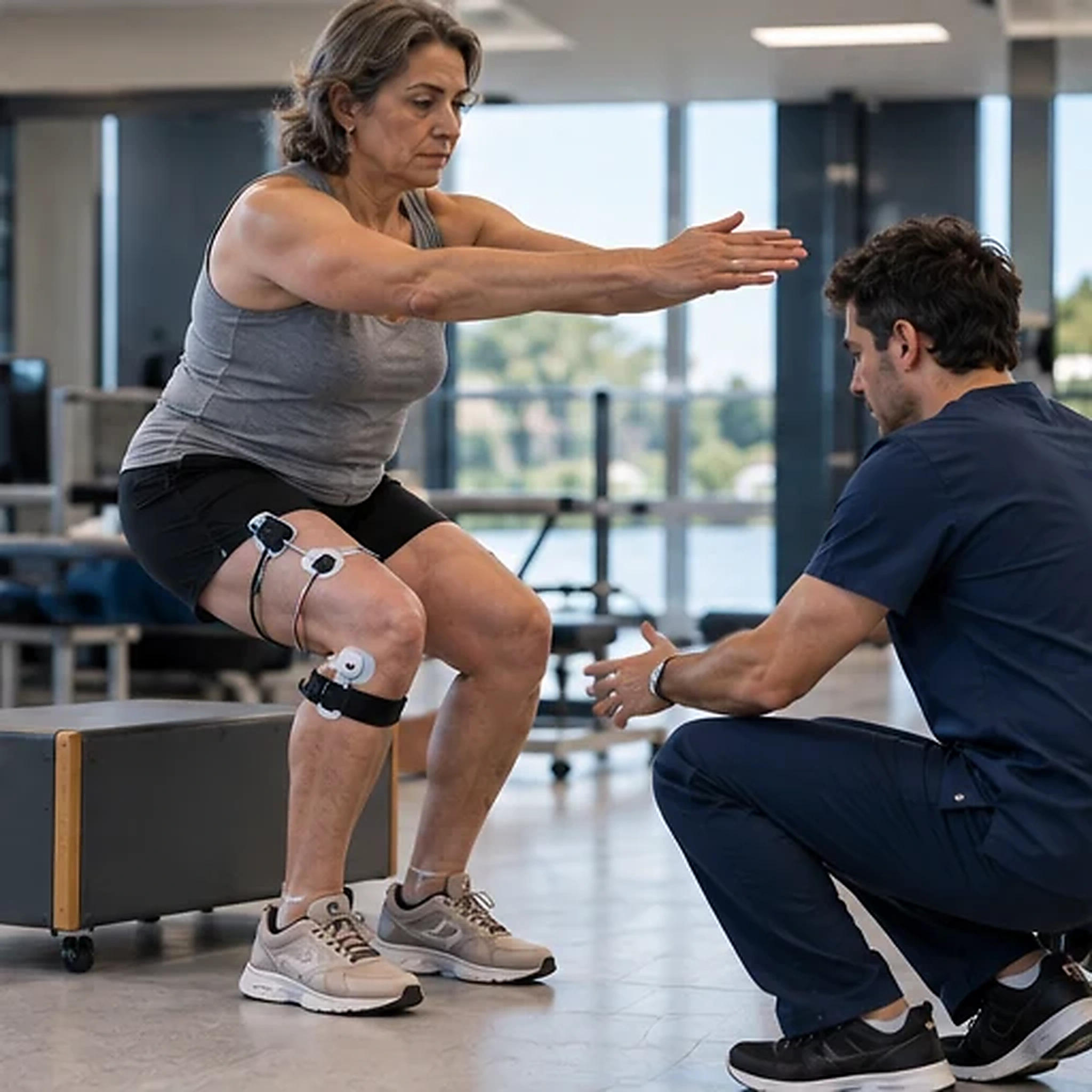 H41
H41Post-TKA Rehabilitation & Functional Monitoring
How is gait, knee mobility, symmetry and functional performance recovering after total knee arthroplasty?
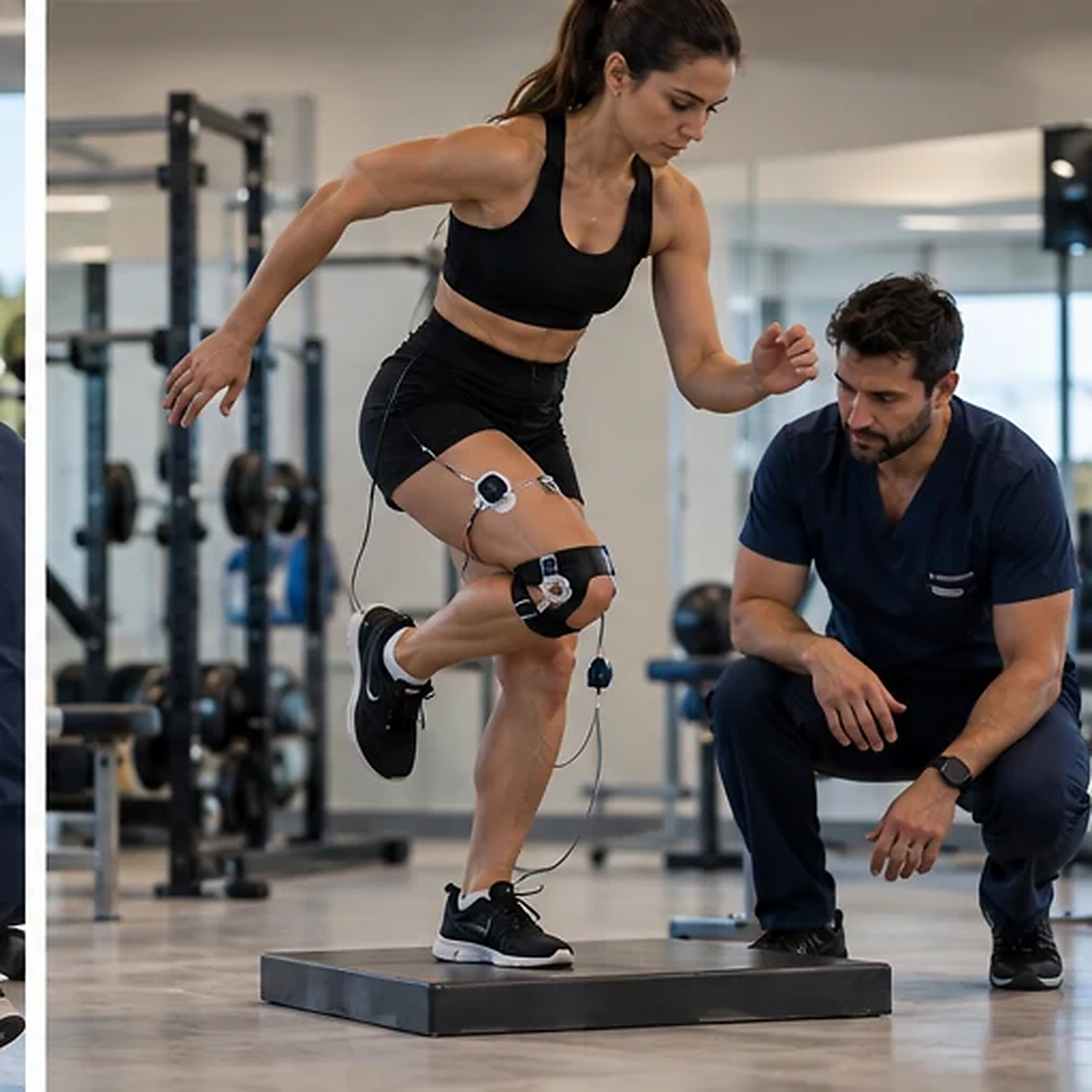 H42
H42ACL Post-Surgical Rehabilitation & Functional Recovery
Has neuromuscular control and functional symmetry recovered sufficiently to progress safely through ACL rehabilitation?
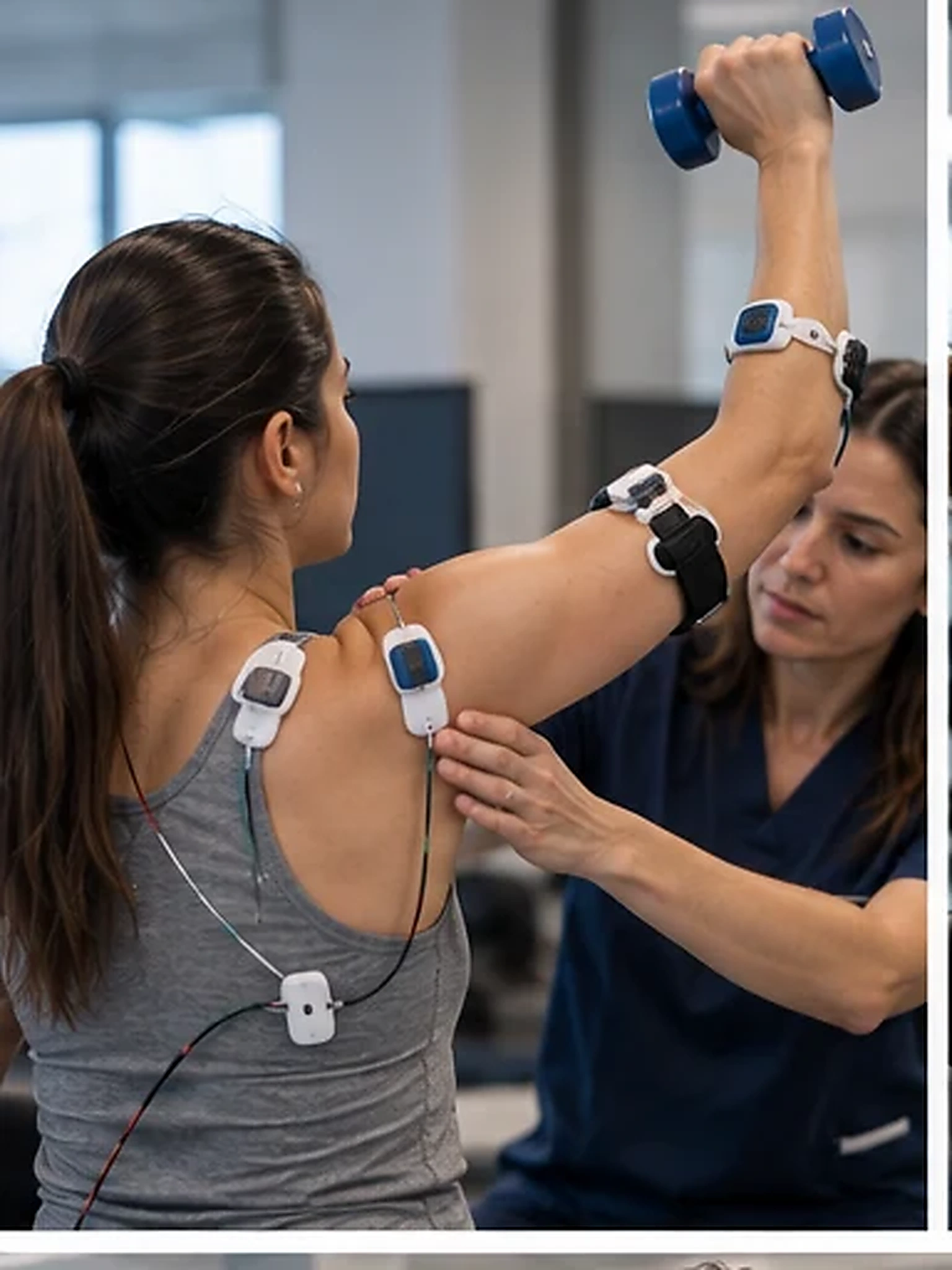 H43
H43Rotator Cuff Post-Surgical Rehabilitation
How are shoulder range of motion, reaching and movement compensation recovering after rotator cuff surgery?
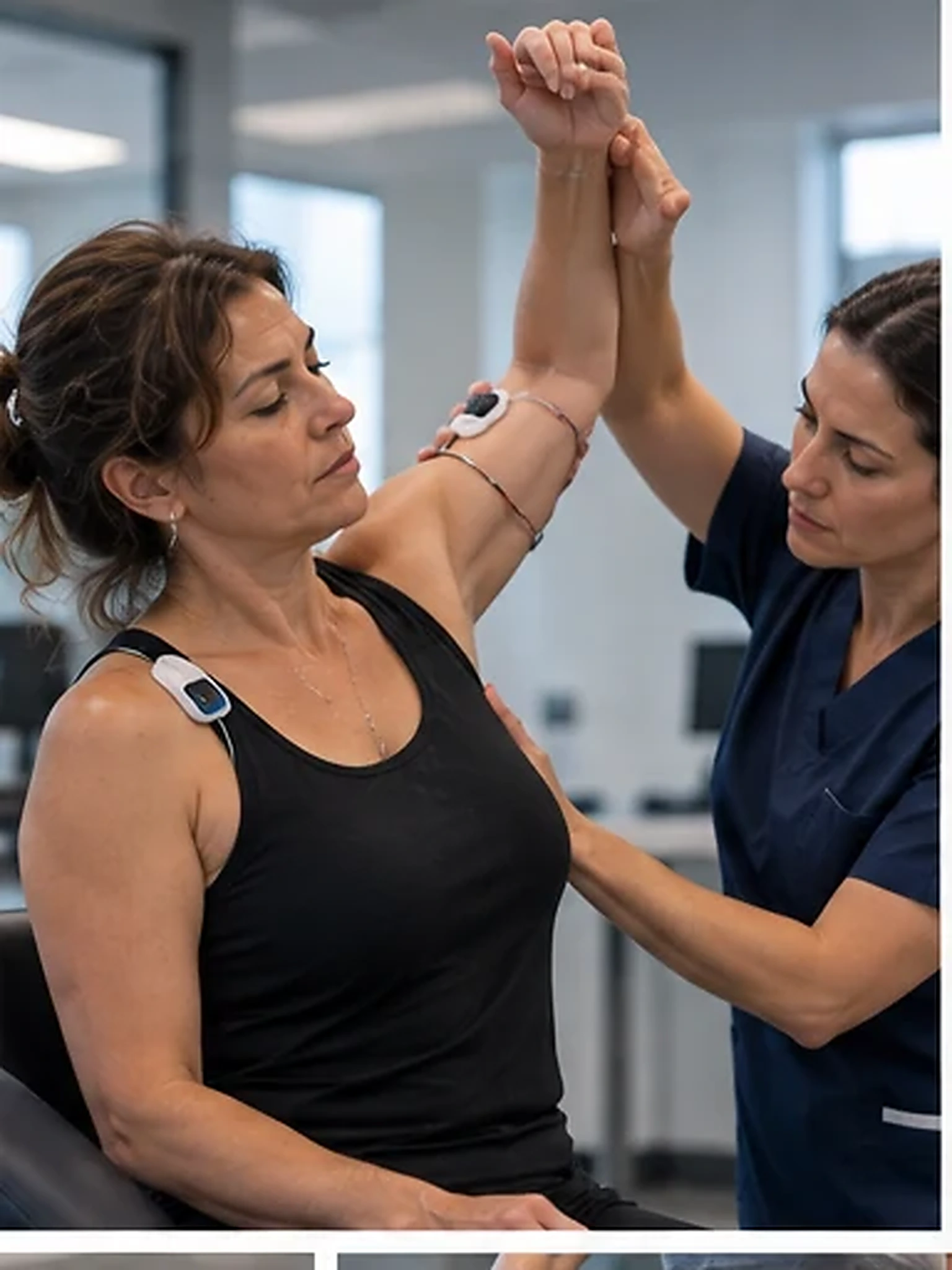 H44
H44Frozen Shoulder Mobility Rehabilitation
How restricted is shoulder mobility, what compensations are being used, and how is movement changing with rehabilitation?
 H45
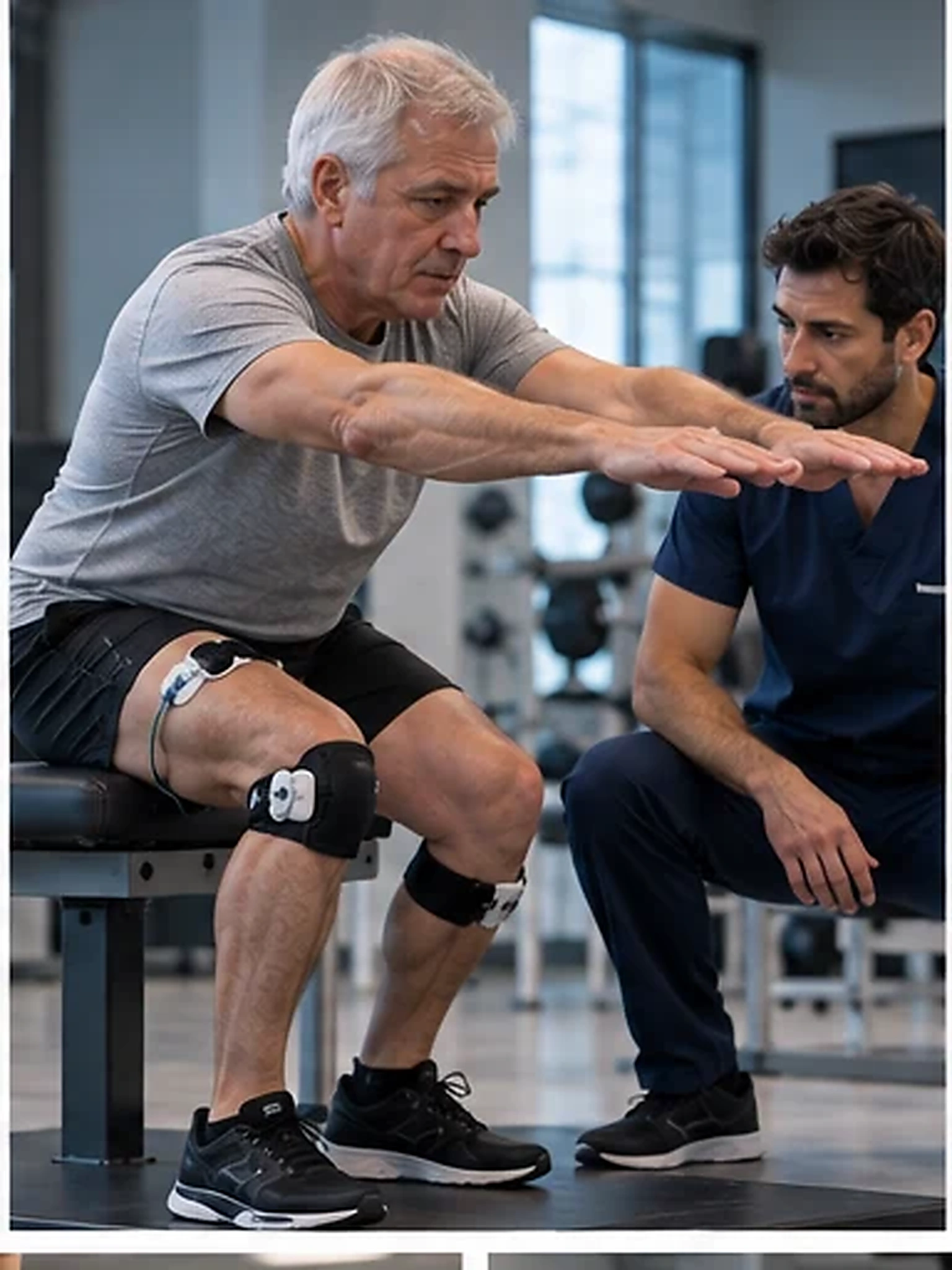
H45Knee Osteoarthritis Functional Rehabilitation
How is knee osteoarthritis affecting gait, mobility and neuromuscular control, and how do those functions respond to rehabilitation?
 H46
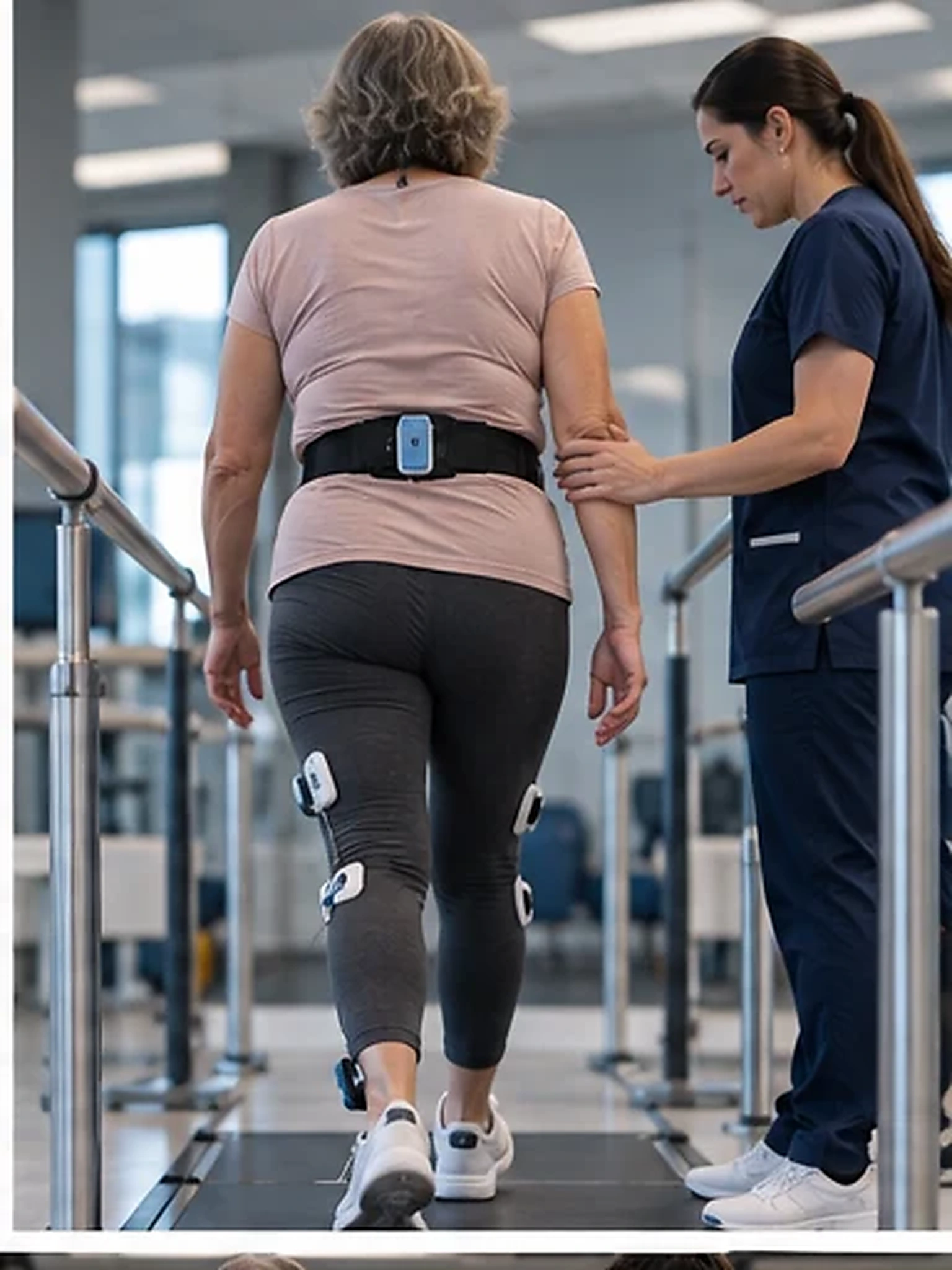
H46Post-Hip Arthroplasty Rehabilitation & Monitoring
How are gait, symmetry and functional mobility recovering after hip arthroplasty?
 H47
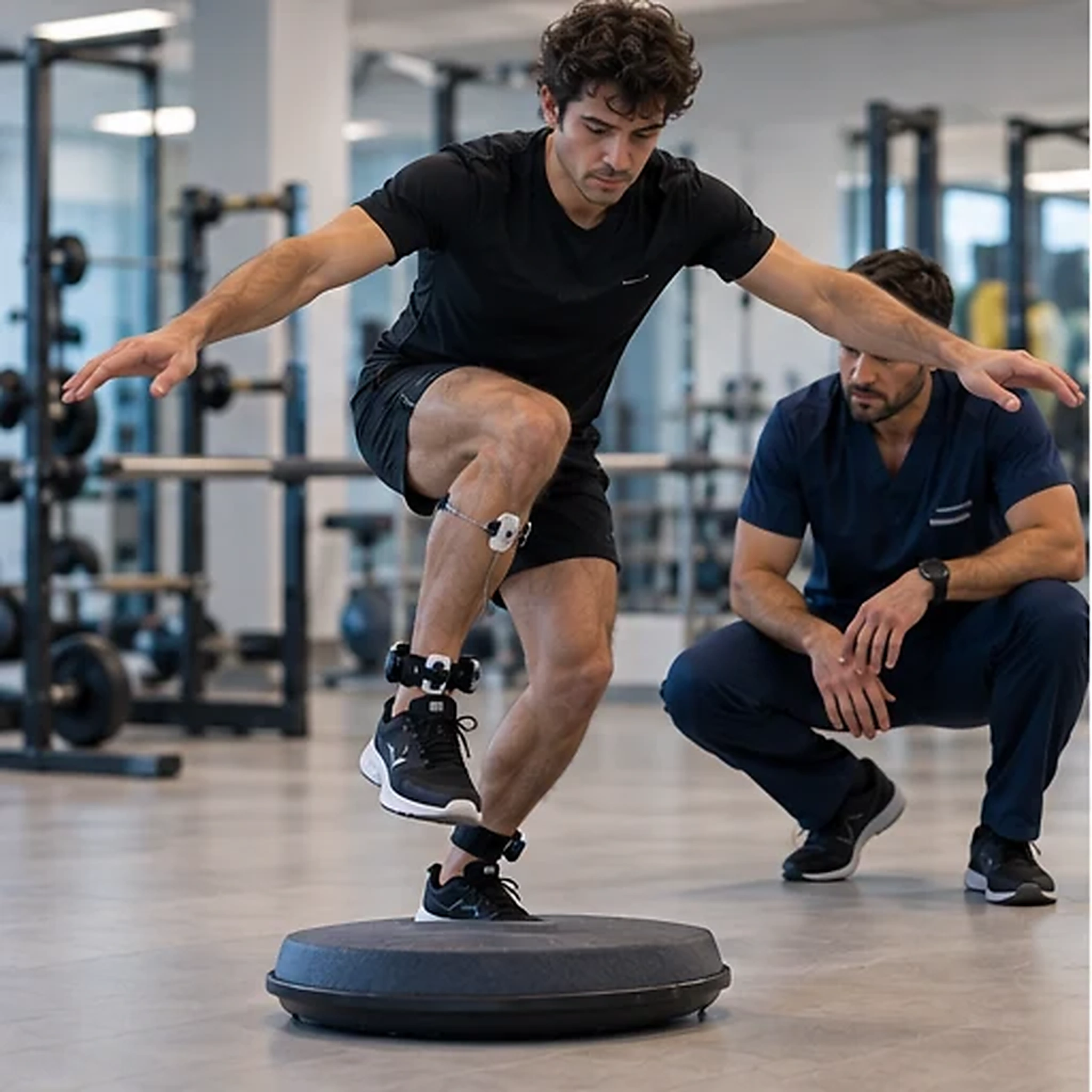
H47Chronic Ankle Instability Rehabilitation
How stable is the ankle during static and dynamic tasks, and how does neuromuscular control improve with rehabilitation?
 H48
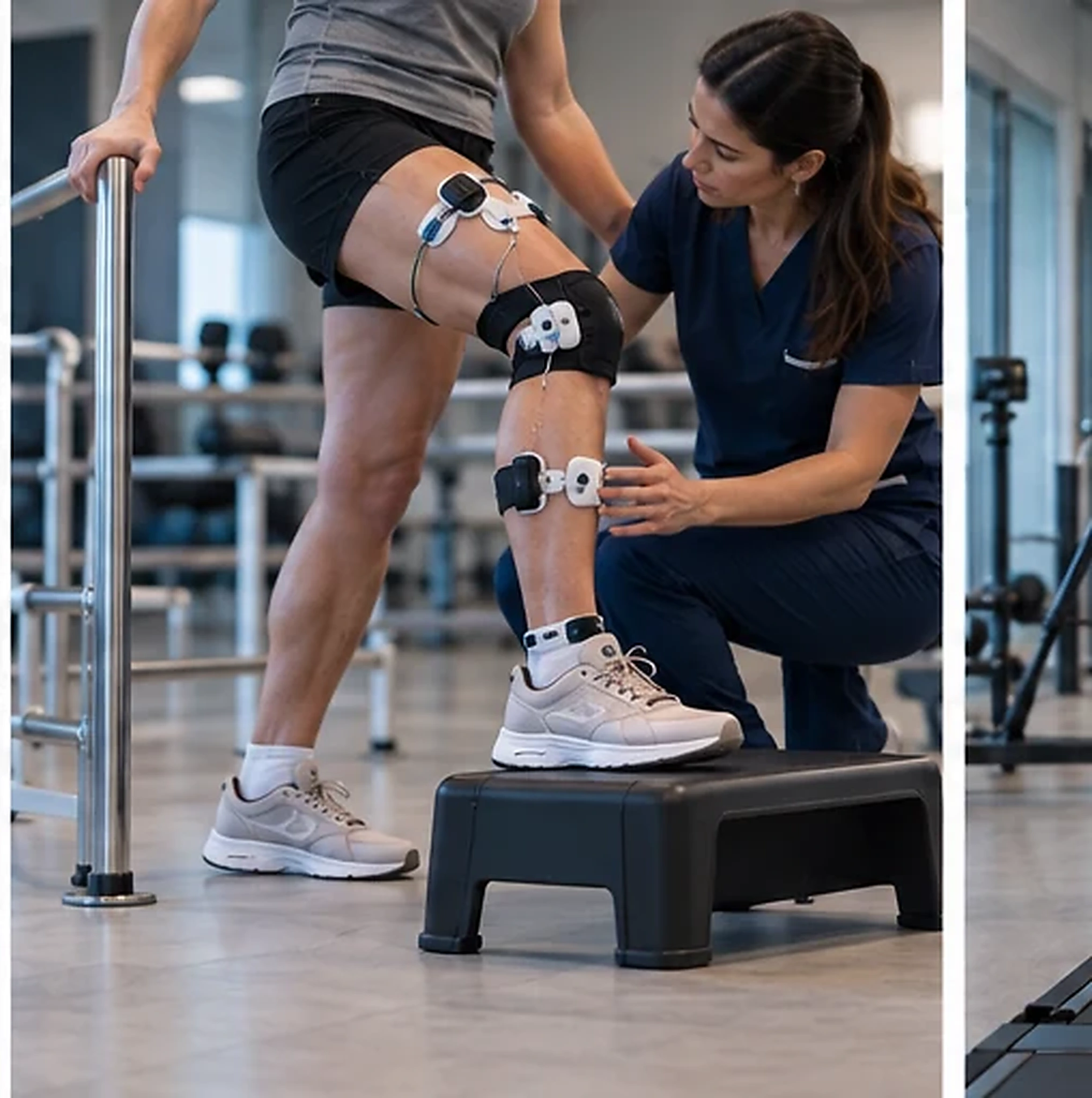
H48Post-Surgical Lower-Limb Rehabilitation
How is lower-limb function recovering after surgery, and which mobility or muscle-control deficits remain?
 H49
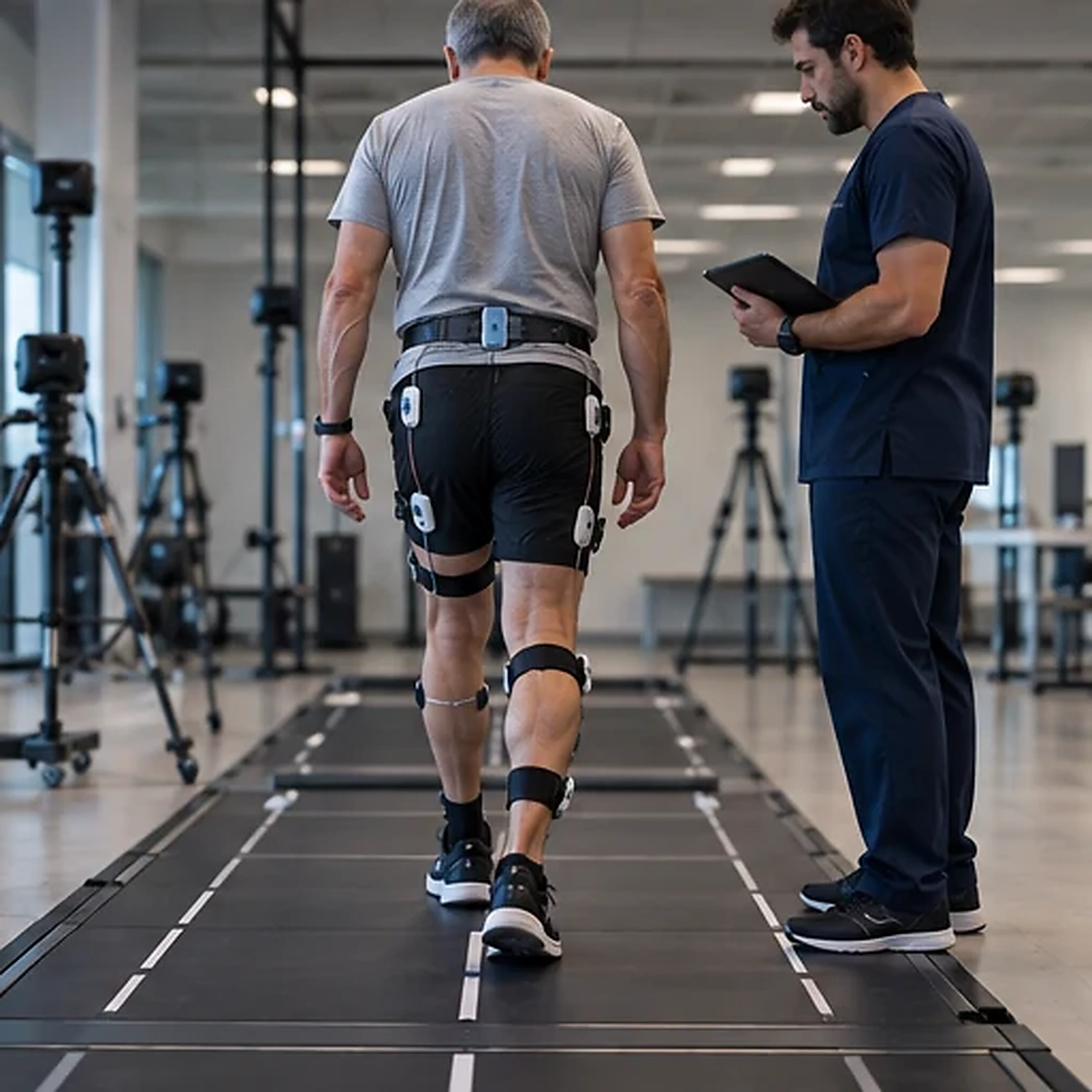
H49Gait & Balance Assessment & Rehabilitation
Which gait, balance and mobility parameters are impaired, and how are they changing with rehabilitation?
 H50
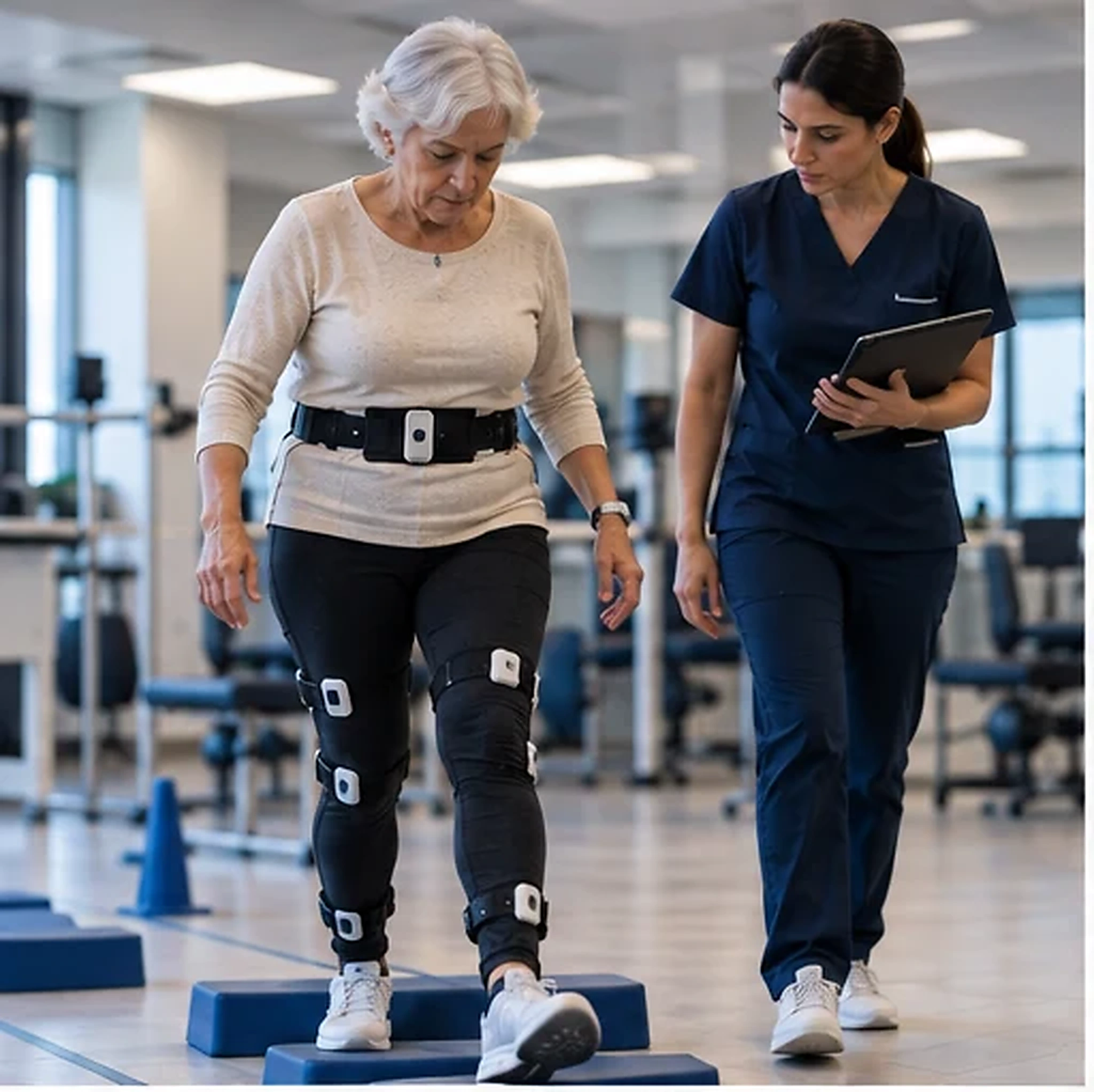
H50Fall Risk & Mobility Assessment
Which measurable mobility and balance patterns are associated with elevated fall risk in this person?
 H51
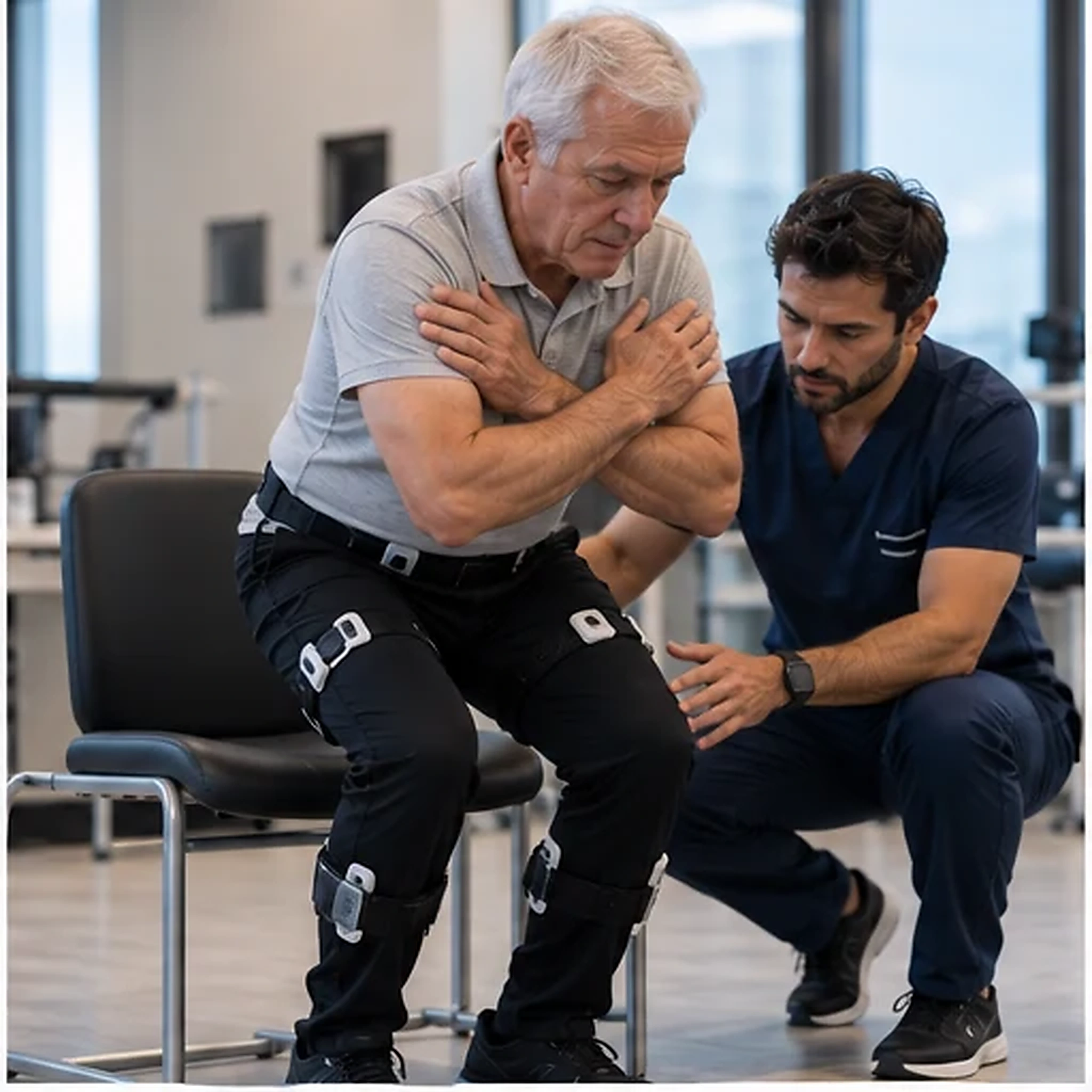
H51Frailty & Functional Mobility Assessment
What functional mobility pattern is associated with frailty or pre-frailty in this person, and how is it changing over time?
 H52
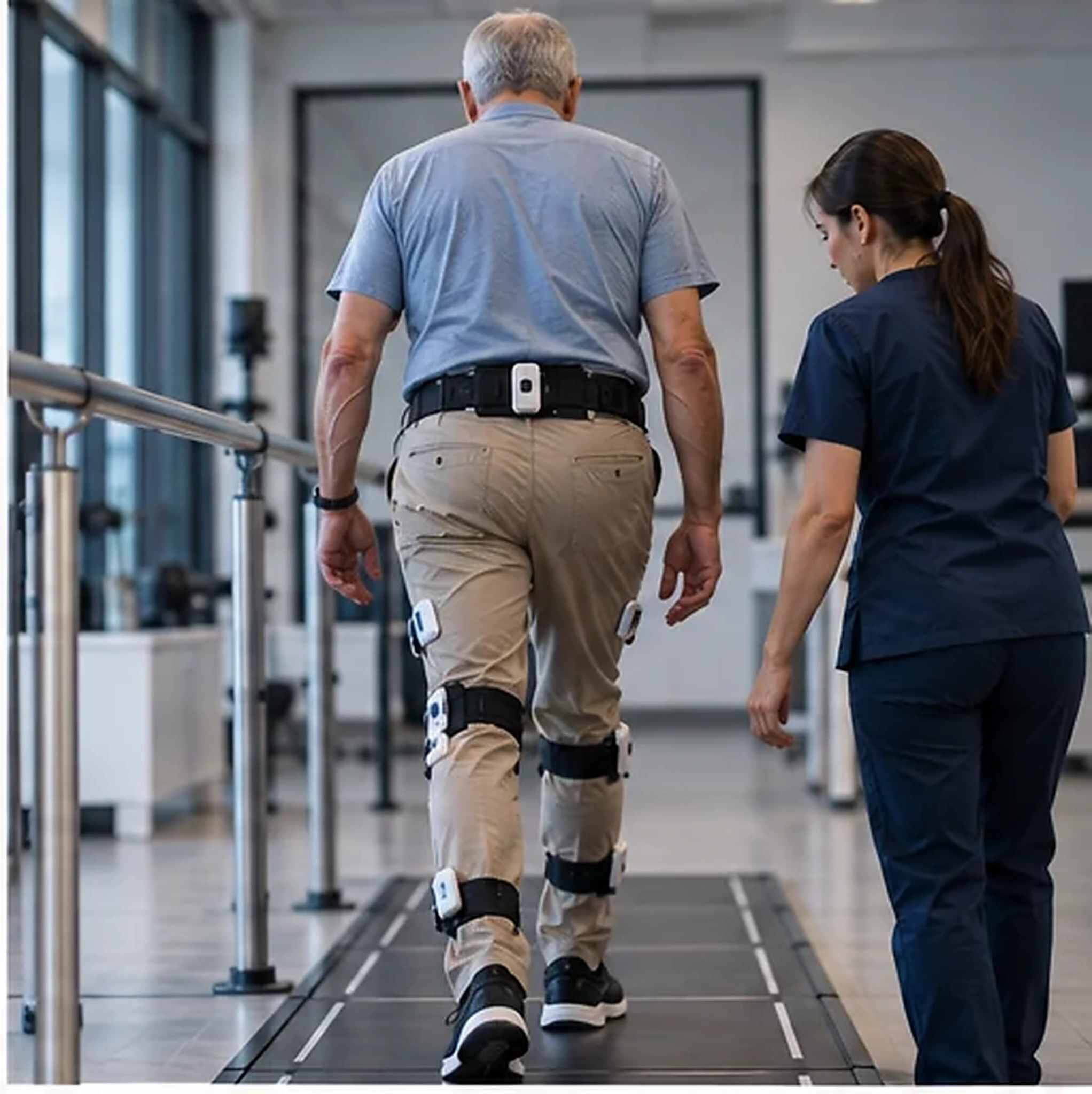
H52Sarcopenia Gait & Mobility Assessment
How is mobility and gait performance affected in a person with sarcopenia or suspected sarcopenia?
 H53
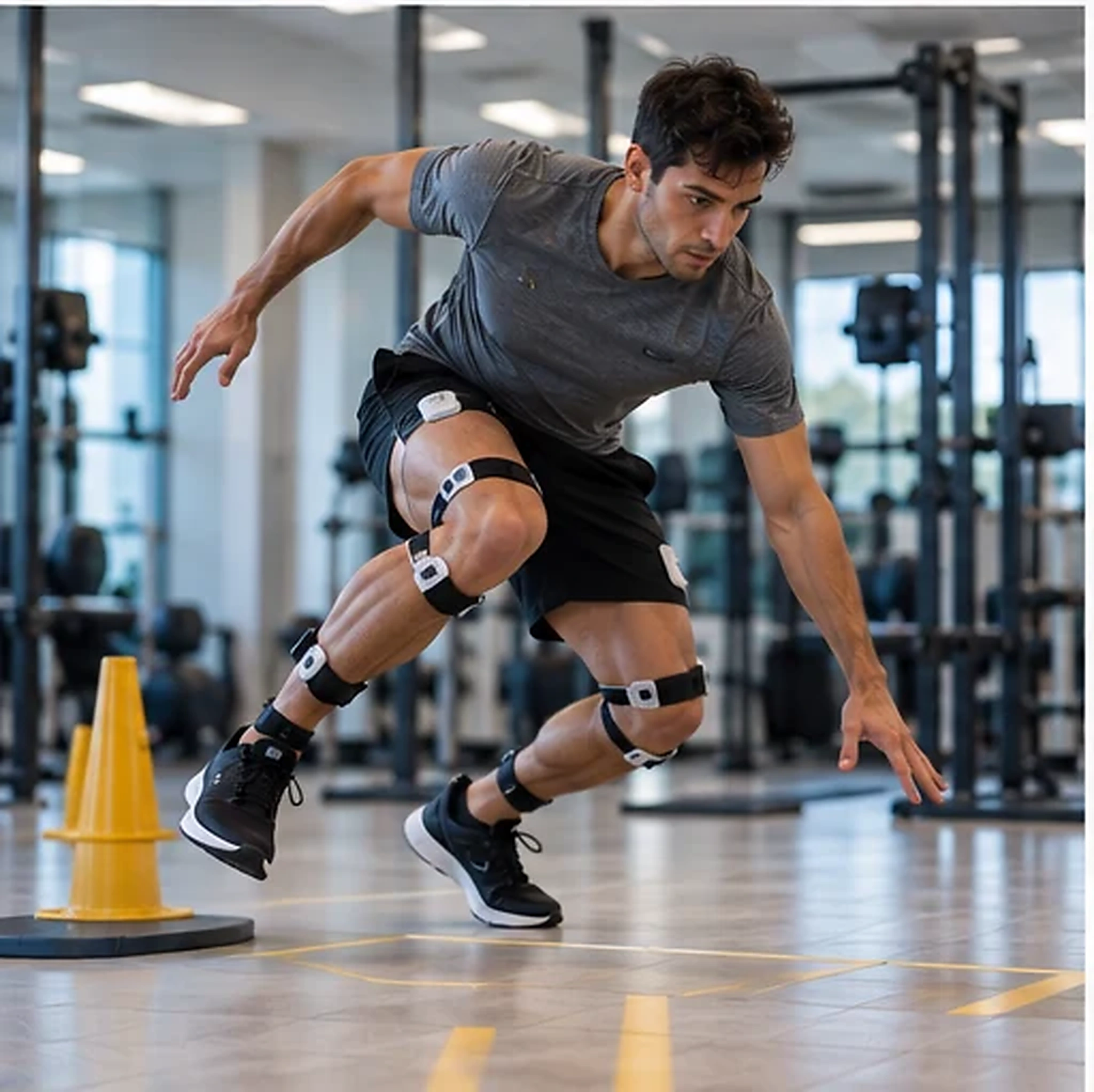
H53Return-to-Performance Functional Assessment
What objective functional deficits remain before progression toward sport or high-demand professional performance?
 H54
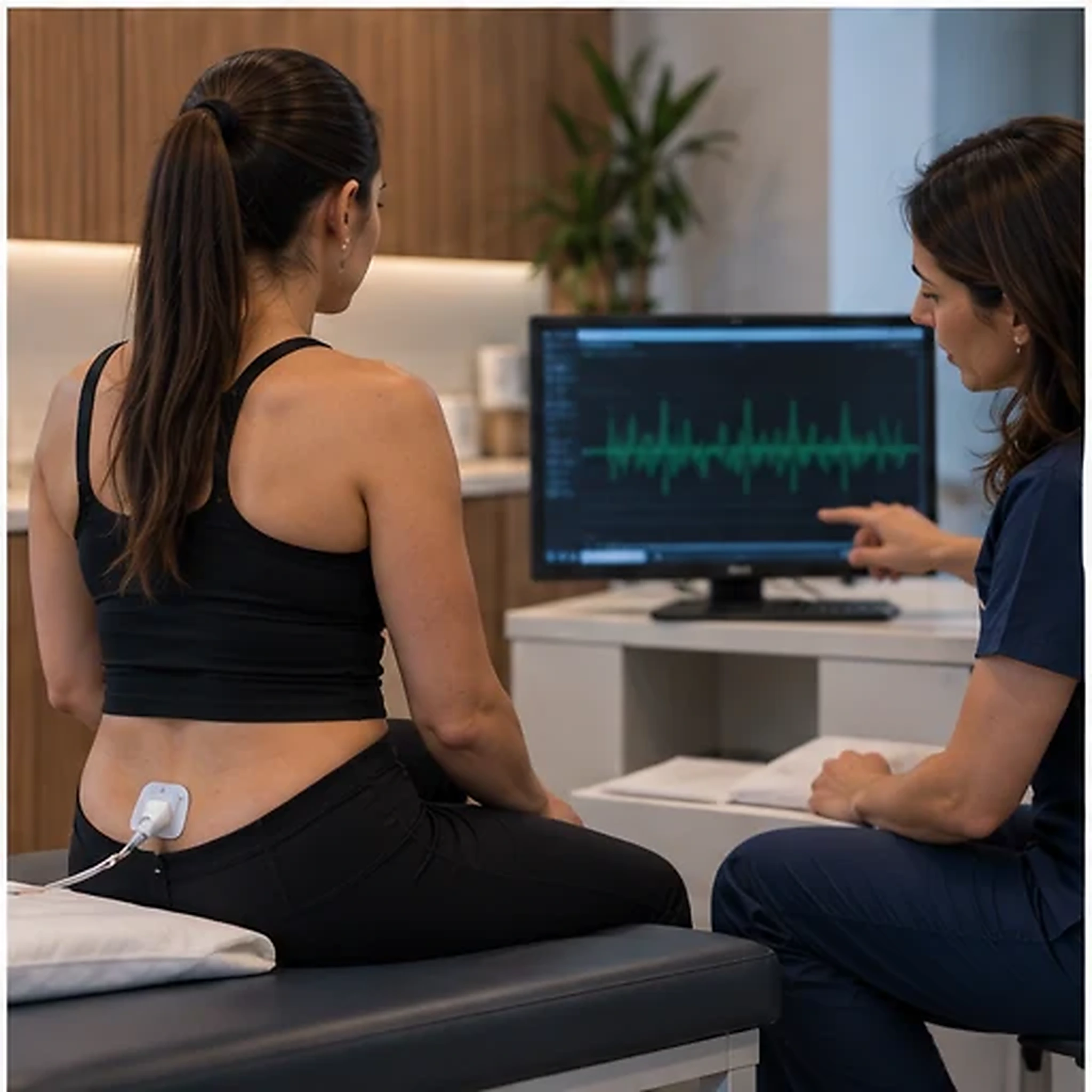
H54Pelvic Floor EMG Assessment & Biofeedback
Can the patient correctly activate, sustain and relax the pelvic-floor muscles, and how does that control improve with biofeedback?
 H55
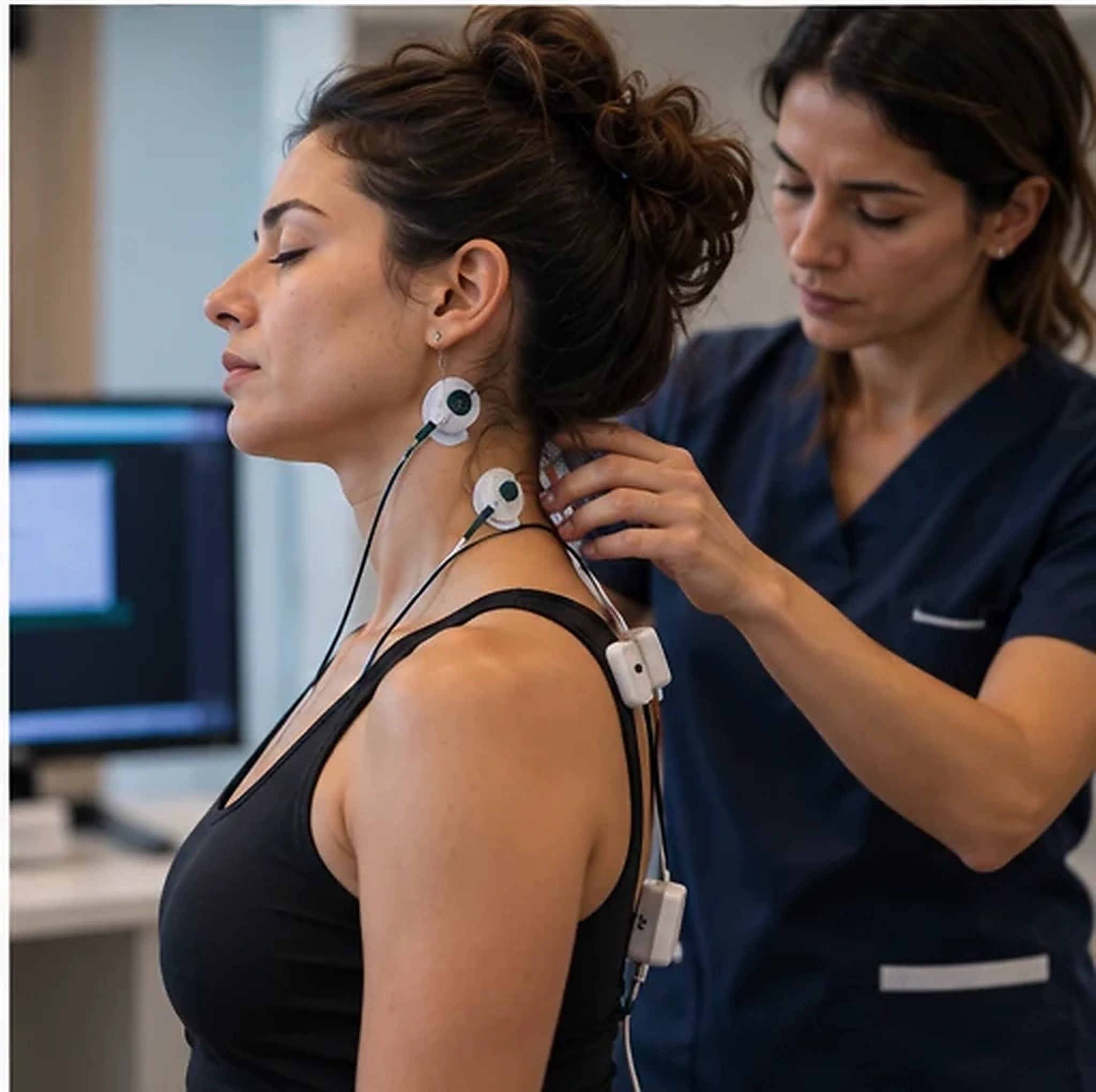
H55Cervical Muscle Assessment & Biofeedback Rehabilitation
Which cervical muscle-activation and movement patterns are abnormal, and can motor control improve through feedback-based rehabilitation?
Capability development, separate from research
Training & Knowledge uses Neuro Garage methods to transfer expertise, assess skills and improve learning or operational performance. It is intentionally separated from the research fields.
Workshops
Workshops is a protocol-defined training & knowledge service. Combines scientific foundations, applied examples and guided practice relevant to the participant group. Content, exercises and technical depth are adapted to the audience and objective after a needs assessment.
View capability →TK04Scientific Lectures
Scientific Lectures is a protocol-defined training & knowledge service. Combines scientific foundations, applied examples and guided practice relevant to the participant group. Content, exercises and technical depth are adapted to the audience and objective after a needs assessment.
View capability →TK07Neurotechnology Training
Neurotechnology Training is a protocol-defined training & knowledge service. Combines scientific foundations, applied examples and guided practice relevant to the participant group. Content, exercises and technical depth are adapted to the audience and objective after a needs assessment.
View capability →TK08CEREBRUM NOBILIS Training
CEREBRUM NOBILIS Training is a protocol-defined training & knowledge service. Combines scientific foundations, applied examples and guided practice relevant to the participant group. Content, exercises and technical depth are adapted to the audience and objective after a needs assessment.
View capability →TK09Academic Training
Academic Training is a protocol-defined training & knowledge service. Combines scientific foundations, applied examples and guided practice relevant to the participant group. Content, exercises and technical depth are adapted to the audience and objective after a needs assessment.
View capability →TK10Customized Training Program
Customized Training Program is a protocol-defined training & knowledge service. Combines scientific foundations, applied examples and guided practice relevant to the participant group. Content, exercises and technical depth are adapted to the audience and objective after a needs assessment.
View capability →