
IND03 · Industrial
Industrial Human Factors
Does your worker adapt naturally to the work environment, or does the design itself create distractions, overload or unnecessary error?
Research protocolIndustrial Human Factors
Does your worker adapt naturally to the work environment, or does the design itself create distractions, overload or unnecessary error?
IndustrialEye Tracking GlassesEye Tracking VREEG optional in advanced VRHuman FactorsIndustry
FIELDIndustrial
EXECUTIONIn-person execution
TECHNOLOGY PATHEye Tracking Glasses · Eye Tracking VR · EEG optional in advanced VR
STUDY CODEIND03
The research question
Does your worker adapt naturally to the work environment, or does the design itself create distractions, overload or unnecessary error?
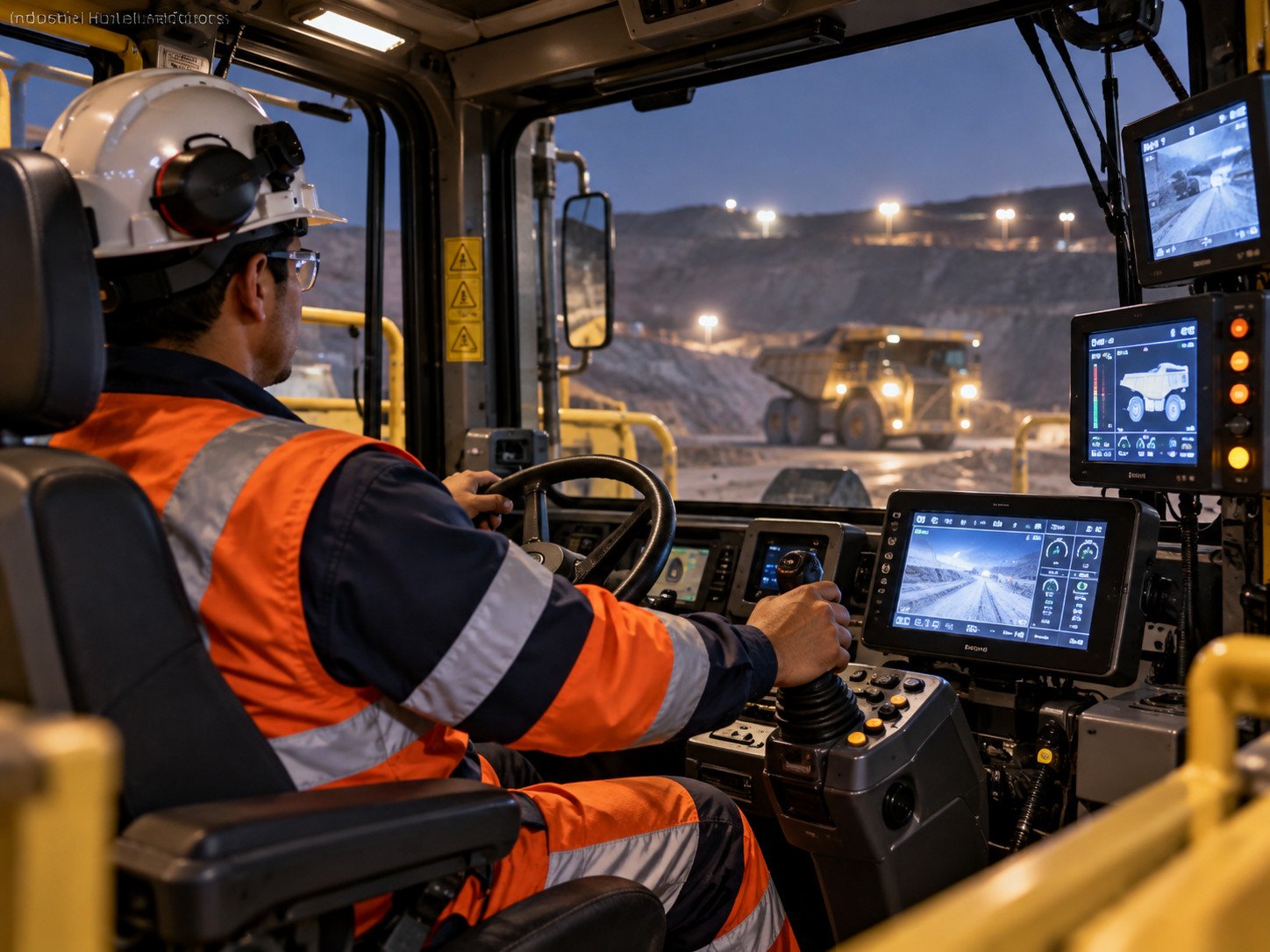
Industrial Human Factors studies how workers interact with information, tools, interfaces, procedures and the physical operating environment while performing their actual functions. It can examine situational awareness, decision-making, cognitive load, learning and skill acquisition, and team cognition.
Real plantOperator cabinMachinerySimulatorControl roomVR
Technology configuration
Measurement follows the task
The technology path shown here is the approved structure for this service. The exact protocol is configured around the research question, environment and participant flow.
Typical protocol · Industrial
How this study is executed.
The protocol below reflects the service definition developed for Neuro Garage. Final details are confirmed before execution.
Define the real task, information sources, decision points and potential design frictions.
Run the worker through the real or simulated task under controlled observation.
Capture visual behavior and, when advanced, synchronized EEG during the same task timeline.
Locate overload, error-prone steps, ignored information, response delays and interaction bottlenecks.
Convert the evidence into changes to the system, task, interface or training.
Typical outputs
What this specific study can produce
01Overload points
02High-error steps
03Ignored elements
04Response times
05Interaction sequence
06Workload indicators
07Operational bottlenecks
Decisions supported
What the client can change with the evidence
The study is designed to translate observed behavior into concrete operational, people, design or risk-management decisions.
Industry references / comparable applications
Who has used comparable research approaches?
Publicly documented examples from companies and institutions worldwide. These organizations are not presented as Neuro Garage clients, and the examples do not imply they purchased this exact Neuro Garage protocol.
01


DensoPublic precedent
Eye tracking of expert and novice visual inspectors to improve quality inspection and shorten training.
View public source ↗02Tokio Marine & Nichido Fire InsurancePublic precedent
Eye-tracking study of factory operators to investigate behaviors associated with industrial accidents.
View public source ↗03Daiichi Sankyo PropharmaPublic precedent
Visual-inspection research using eye tracking as part of quality and training improvement.
View public source ↗Scientific configuration
The method follows the question
Technology is selected because it is scientifically appropriate for the research objective, not because a device must be used. Santiago configures the study scope, stimuli, participant flow and measurement path before execution.
Discuss this study