
PP03 · Professional Performance
Fraud Identification Performance
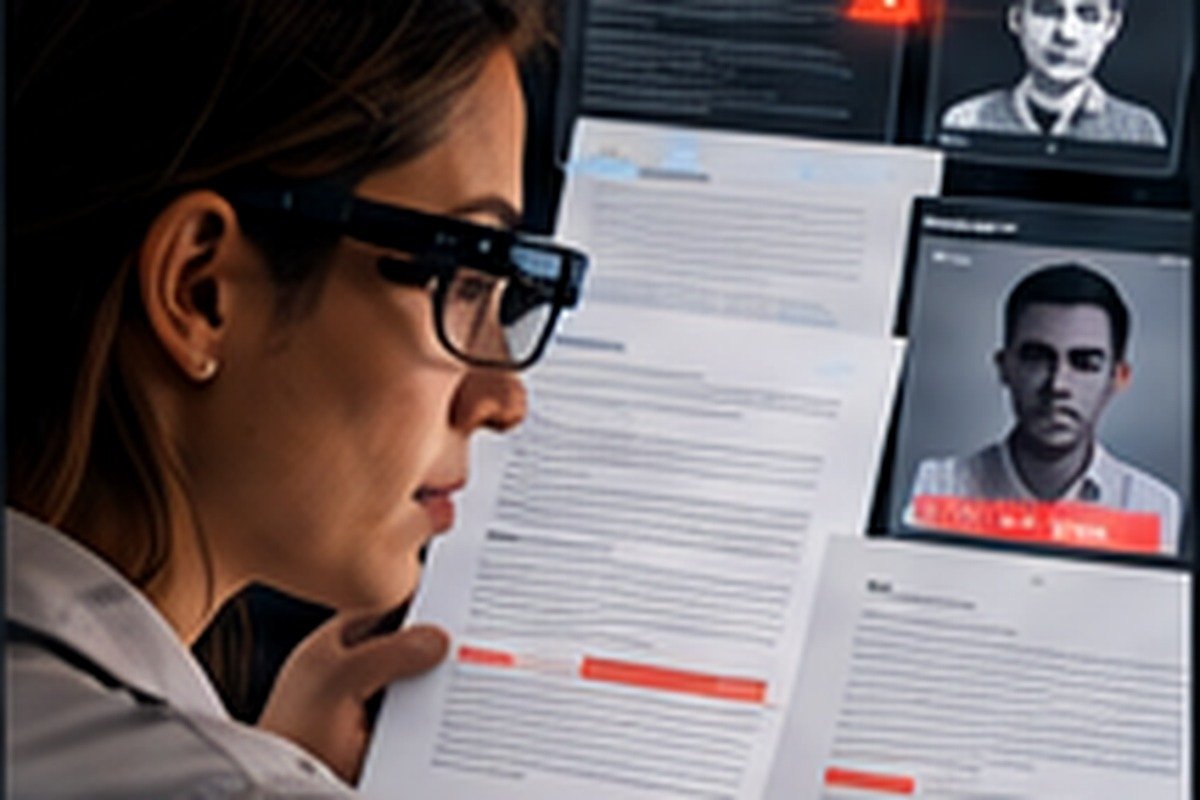
Can your professionals detect potential fraud—and, when a suspicious case emerges, what do they actually know about it?
Research protocolFraud Identification Performance
Can your professionals detect potential fraud—and, when a suspicious case emerges, what do they actually know about it?
Professional PerformanceEye Tracking BarEye Tracking GlassesFraudDetectionFinance
FIELDProfessional Performance
EXECUTIONIn-person execution
TECHNOLOGY PATHEye Tracking Bar · Eye Tracking Glasses
STUDY CODEPP03
The research question
Can your professionals detect potential fraud—and, when a suspicious case emerges, what do they actually know about it?
Fraud Identification Performance always combines two layers: a performance assessment of fraud-detection ability and an Incident-Insight-style individual protocol built around the suspicious case. The service therefore evaluates both detection performance and case-relevant knowledge / familiarity patterns.
Screen-based performance taskReal work environmentIn-situ case-specific insight evaluation
Technology configuration
Measurement follows the task
The technology path shown here is the approved structure for this service. The exact protocol is configured around the research question, environment and participant flow.
Typical protocol · Professional Performance
How this study is executed.
The protocol below reflects the service definition developed for Neuro Garage. Final details are confirmed before execution.
Define the fraud indicators and the suspicious-case evidence set.
Measure fraud-detection performance with screen-based or real-work observation.
Run the case-specific IAT / photographic insight layer for the same protocol.
Integrate detection accuracy, omissions, false positives and case-relevant familiarity / inconsistency patterns.
Deliver one combined fraud-performance and investigative evidence profile.
Typical outputs
What this specific study can produce
01Fraud detection rate
02Missed fraud indicators
03False positives
04Time to detection
05Visual review strategy
06Critical information ignored
07Decision latency
08Consistency
09Knowledge / familiarity with case-related information
10Relevant inconsistencies or omissions
11Individual involvement indicators
Decisions supported
What the client can change with the evidence
The study is designed to translate observed behavior into concrete operational, people, design or risk-management decisions.
Industry references / comparable applications
Who has used comparable research approaches?
Publicly documented examples from companies and institutions worldwide. These organizations are not presented as Neuro Garage clients, and the examples do not imply they purchased this exact Neuro Garage protocol.
01


DensoPublic precedent
Expert inspector gaze recordings used to reduce onboarding time and improve training.
View public source ↗02Pigeon GlobalPublic precedent
Eye tracking used to standardize expert visual-inspection skills and reduce training time.
View public source ↗03KubotaPublic precedent
Inspection-training and digital-transformation work using eye tracking.
View public source ↗Scientific configuration
The method follows the question
Technology is selected because it is scientifically appropriate for the research objective, not because a device must be used. Santiago configures the study scope, stimuli, participant flow and measurement path before execution.
Discuss this study