
CBR13 · Consumer Behavior Research
Sensory Neuromarketing
What taste, sound or texture makes your customer choose you?
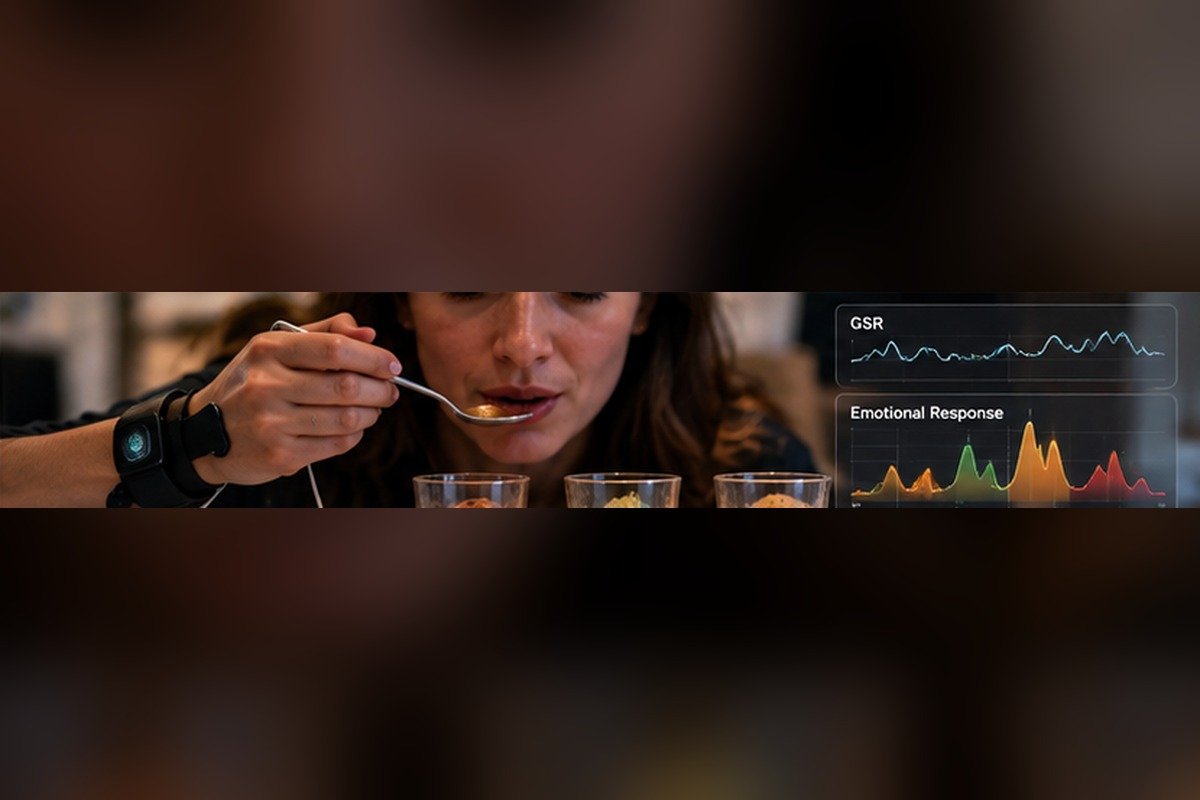
Research protocolSensory Neuromarketing
What taste, sound or texture makes your customer choose you?
Consumer Behavior ResearchGSRFaceReader from videoSensoryNeuromarketingTaste
FIELDConsumer Behavior Research
EXECUTIONIn-person execution
TECHNOLOGY PATHGSR · FaceReader from video
STUDY CODECBR13
The research question
What taste, sound or texture makes your customer choose you?
Sensory Neuromarketing identifies which non-visual sensory experience a target consumer profile prefers most. It is designed for stimuli not captured primarily by the eye—including taste, aroma, sound and texture—and supports comparative product and environment design.
Controlled sensory evaluationRestaurant / food-service contextRetail / environmental contextProduct testing environment
Technology configuration
Measurement follows the task
The technology path shown here is the approved structure for this service. The exact protocol is configured around the research question, environment and participant flow.
Typical protocol · Consumer Behavior Research
How this study is executed.
The protocol below reflects the service definition developed for Neuro Garage. Final details are confirmed before execution.
Define the target profile and comparable sensory alternatives.
Present the approved tastes, aromas, sounds, textures or other non-visual sensory stimuli under a controlled protocol.
Measure physiological activation and, in the advanced protocol, facially expressed emotional response from synchronized video.
Rank preference, rejection, emotional response and activation by stimulus and consumer profile.
Translate the evidence into menu, formulation, flavor, soundscape, texture, aroma, material and product-design decisions.
Typical outputs
What this specific study can produce
01Sensory preference ranking
02Winner by consumer profile
03Rejection ranking
04Emotional response by option
05Physiological arousal by option
06Profile segmentation
07Consistency of preference
08Recommended sensory configuration
Decisions supported
What the client can change with the evidence
The study is designed to translate observed behavior into concrete operational, people, design or risk-management decisions.
Industry references / comparable applications
Who has used comparable research approaches?
Publicly documented examples from companies and institutions worldwide. These organizations are not presented as Neuro Garage clients, and the examples do not imply they purchased this exact Neuro Garage protocol.
01


UnileverPublic precedent
In-store shopper and packaging research using eye tracking to understand attention and package performance.
View public source ↗02Toyota CanadaPublic precedent
Showroom shopper study using wearable eye tracking to understand buyer attention and the purchase journey.
View public source ↗03Procter & GamblePublic precedent
Documented user of remote eye-tracking consumer research for mobile/media behavior.
View public source ↗Scientific configuration
The method follows the question
Technology is selected because it is scientifically appropriate for the research objective, not because a device must be used. Santiago configures the study scope, stimuli, participant flow and measurement path before execution.
Discuss this study