
CBR12 · Consumer Behavior Research
In-Home TV Attention
When the ads come on, are you still winning their attention—and how do they really feel?
Attention + emotion rating inside the real home.
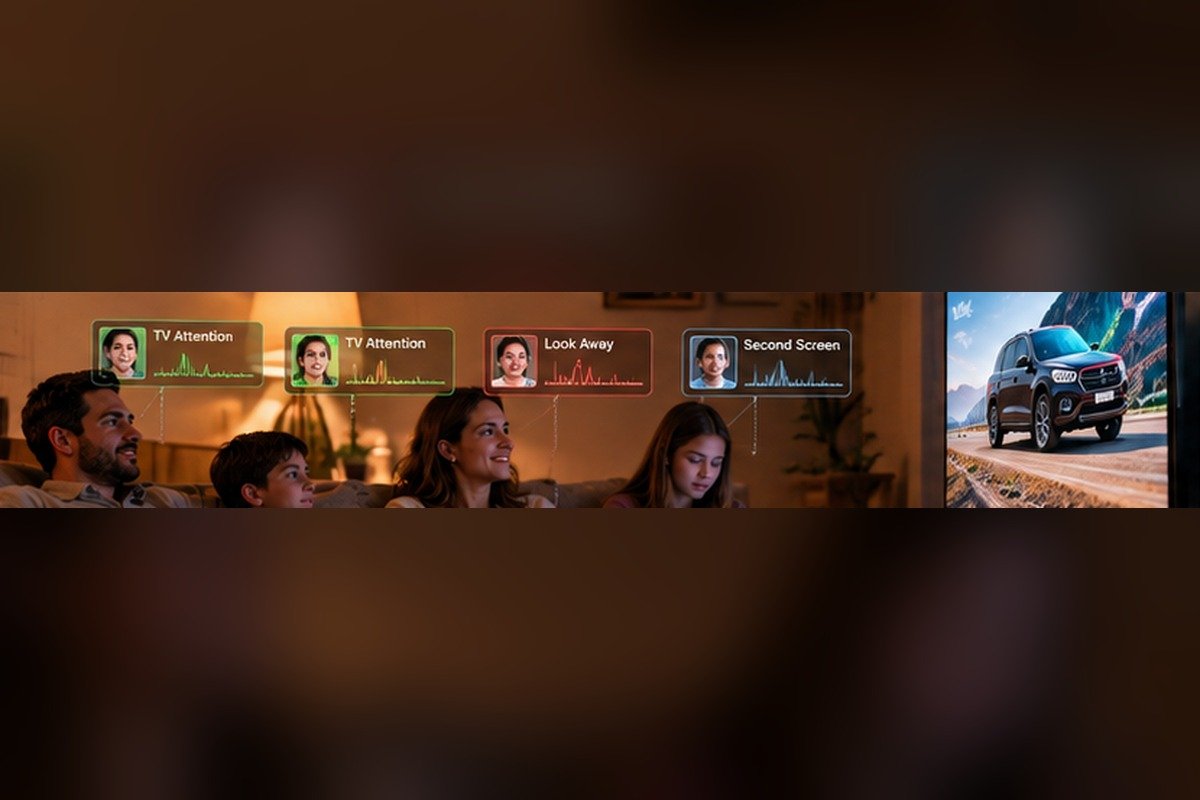
Attention + emotion rating inside the real home.In-Home TV Attention
When the ads come on, are you still winning their attention—and how do they really feel?
Consumer Behavior ResearchHead TrackingEmotion RecognitionHomeTvAdvertising
FIELDConsumer Behavior Research
EXECUTIONIn-person execution
TECHNOLOGY PATHHead Tracking · Emotion Recognition
STUDY CODECBR12
The research question
When the ads come on, are you still winning their attention—and how do they really feel?
In-Home TV Attention measures what happens inside the household when television advertising begins. Head Tracking identifies whether each household profile remains screen-facing, looks away or shifts toward a second screen, while emotion recognition reconstructs the emotional response to each advertisement.
Real home · natural television viewing
Technology configuration
Measurement follows the task
The technology path shown here is the approved structure for this service. The exact protocol is configured around the research question, environment and participant flow.
Typical protocol · Consumer Behavior Research
How this study is executed.
The protocol below reflects the service definition developed for Neuro Garage. Final details are confirmed before execution.
Define the household package, program / daypart, commercial blocks and profile structure inside each home.
Configure up to five individual household profiles and run the observation during natural TV viewing.
Measure screen-facing time, look-away and head-down behavior, second-screen episodes, attention loss, return-to-screen and continuity of attention.
Synchronize the same timeline with emotional response for every advertisement and household profile.
Produce Attention & Emotion Rating by Ad and translate the results into program, position-in-break, creative, duration, frequency and media-investment decisions.
Typical outputs
What this specific study can produce
01Attention & Emotion Rating by Ad
02Commercial Break Retention
03Attention timeline
04Emotion timeline
05% still watching by ad
06Attention drop by ad
07Second-screen episodes
08Time-to-distraction
09Time-to-return
10Dominant emotion by ad
11Emotional intensity by ad
12Strongest / weakest ads
13Program vs advertising comparison
14Results by household profile
15Household aggregate rating
Decisions supported
What the client can change with the evidence
The study is designed to translate observed behavior into concrete operational, people, design or risk-management decisions.
Industry references / comparable applications
Who has used comparable research approaches?
Publicly documented examples from companies and institutions worldwide. These organizations are not presented as Neuro Garage clients, and the examples do not imply they purchased this exact Neuro Garage protocol.
01


UnileverPublic precedent
Shopper and packaging research using eye tracking to understand attention and package performance.
View public source ↗02Toyota CanadaPublic precedent
Showroom shopper research to understand buyer attention and the purchase journey.
View public source ↗03Procter & GamblePublic precedent
Documented user of consumer-research eye tracking for product and media behavior studies.
View public source ↗Scientific configuration
The method follows the question
Technology is selected because it is scientifically appropriate for the research objective, not because a device must be used. Santiago configures the study scope, stimuli, participant flow and measurement path before execution.
Discuss this study